Elevating your legs is a simple habit that requires little effort, special equipment, or additional expense. After a long day of standing, sitting at a desk, walking, or performing physically demanding tasks, many people experience tired legs, swollen ankles, or a feeling of heaviness in their lower body. One simple way to find temporary relief may be to rest with the legs raised above the level of the heart.
Although this position may seem ordinary, it can influence how fluid moves through the lower extremities and help reduce some of the discomfort associated with prolonged standing or sitting. For people who experience mild swelling after a busy day, elevating the legs may become a useful part of a healthy daily routine.
However, it is important to understand what this habit can and cannot do. Elevating your legs is not a cure for circulation disorders, heart disease, kidney disease, or other medical conditions. Its benefits depend on your health, the reason for your symptoms, and how you perform the movement.
So, what actually happens when you elevate your legs? Here are seven potential benefits, along with practical advice on how to do it safely.
1. It May Help Reduce Swelling in the Feet and Ankles
One of the most widely recognized benefits of elevating the legs is its potential to reduce mild swelling in the feet and ankles.
Swelling, medically known as edema, occurs when excess fluid accumulates in the body's tissues. It commonly affects the lower legs because gravity encourages fluid to collect in the lowest parts of the body, particularly after long periods of standing or sitting.
When you remain upright for hours, fluid may gradually accumulate around your ankles and feet. Your shoes may feel tighter, your socks may leave deeper marks on your skin, and your legs may feel heavier than usual.
Raising your legs can help counteract some of these effects.
When your feet and lower legs are positioned above the level of your heart, gravity can assist the return of blood and fluid toward the upper body. This may help the body gradually reabsorb excess fluid from the tissues, particularly when the swelling is related to prolonged standing or sitting.
For example, someone who spends an entire workday standing in a shop may notice mild ankle swelling in the evening. Resting with the legs elevated for 15 to 20 minutes may help reduce the sensation of fullness and improve comfort.
However, not all swelling has the same cause. Edema can also result from chronic venous insufficiency, certain medications, pregnancy, or problems involving the heart, kidneys, or liver.
If swelling is persistent, worsening, unexplained, or accompanied by other symptoms, it should not automatically be attributed to standing for too long.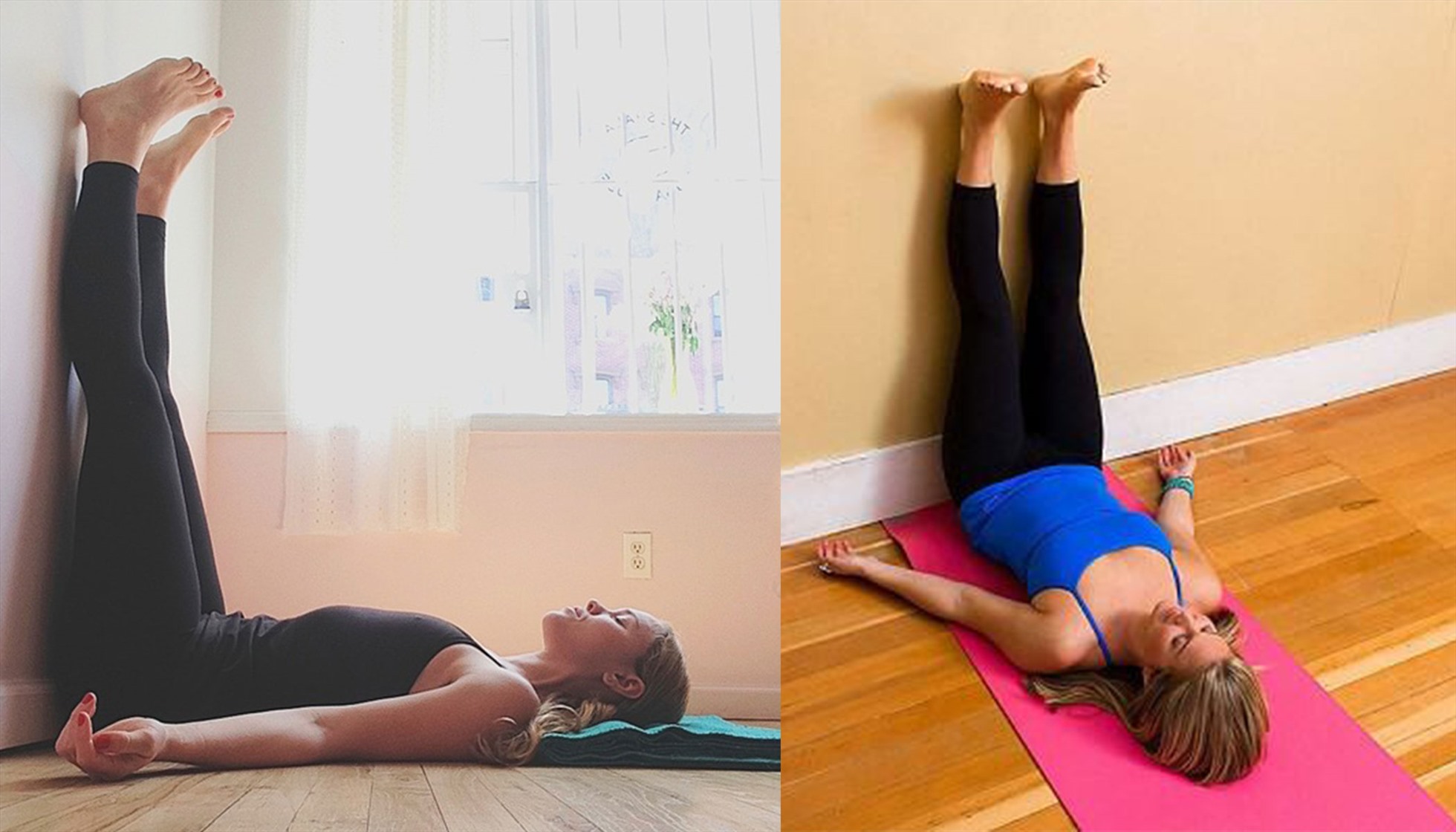
When to seek medical attention: Sudden swelling in one leg, especially when accompanied by pain, warmth, or redness, requires urgent medical assessment because it can be a sign of a blood clot. Swelling accompanied by chest pain, sudden shortness of breath, or fainting requires emergency care.
2. It May Improve Venous Blood Return From the Legs
Your circulatory system constantly moves blood throughout your body. Blood travels from the heart through arteries and returns through veins. Returning blood from the legs can be challenging because it must travel upward against gravity.
The body has several mechanisms that help this process. One of the most important is the calf muscle pump.
Whenever you walk, your calf muscles contract and compress nearby veins, helping push blood upward. Small valves inside the veins help prevent blood from flowing backward.
When you sit or stand still for long periods, your calf muscles are less active. Blood may collect in the lower extremities, particularly in people whose veins or venous valves do not function efficiently.
Elevating the legs provides another way to reduce the effect of gravity on venous return.
With the legs comfortably raised, blood can move more easily toward the torso. This may temporarily relieve the feeling of heaviness, pressure, or fatigue that sometimes develops after prolonged standing.
People who work as teachers, retail employees, hairdressers, healthcare workers, or hospitality staff may find this position particularly comfortable after a long shift.
Nevertheless, leg elevation does not permanently repair damaged vein valves or eliminate established varicose veins. It is a supportive measure rather than a treatment for the underlying cause of chronic venous disease.
For better circulation throughout the day, combine periods of elevation with regular movement. Walking, ankle pumps, and gentle calf raises activate the muscles that help move blood through the lower legs.
If your job requires prolonged standing, changing position regularly and taking short walking breaks may be more useful than remaining motionless for several hours and relying on leg elevation afterward.