Likewise, swelling that occurs repeatedly after relatively light activity deserves attention rather than being treated solely with rest.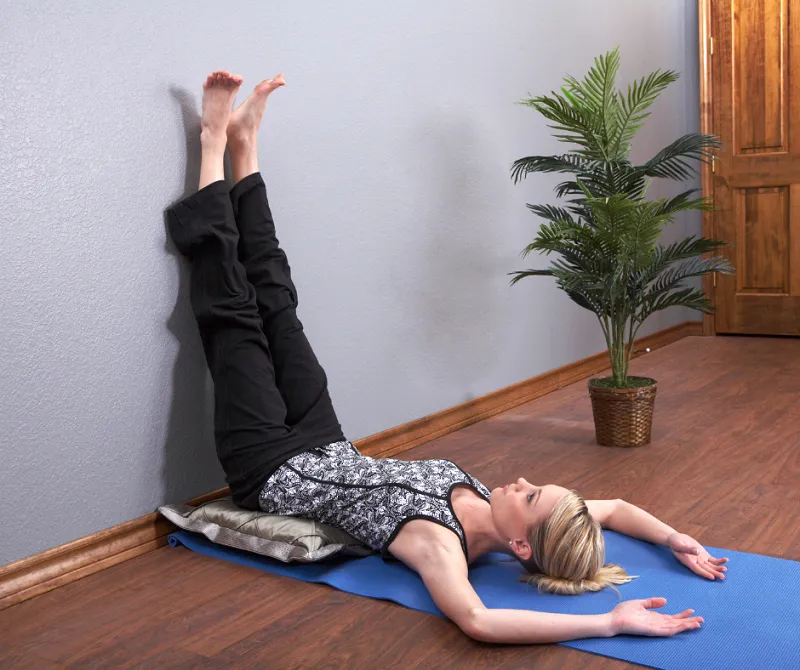
6. It May Provide Temporary Relief During Pregnancy
Pregnancy brings many changes to the circulatory system. Blood volume increases, hormonal changes affect blood vessels, and the growing uterus places additional pressure on veins in the pelvis.
These changes can make it more difficult for blood to return efficiently from the legs. As a result, some pregnant people experience swollen feet and ankles, particularly later in pregnancy or after spending a long time standing.
Elevating the legs while resting may help reduce mild swelling associated with gravity and prolonged upright posture.
For example, a pregnant person who notices that their ankles become puffy in the evening may find it comfortable to lie on their side or sit in a supported position with the legs raised on pillows.
Regular gentle movement, comfortable footwear, and avoiding prolonged periods of standing still may also help manage ordinary pregnancy-related discomfort.
Nevertheless, swelling during pregnancy should be interpreted carefully. Some swelling is common, but sudden or substantial swelling, especially involving the face or hands, can be a warning sign of preeclampsia, a potentially serious pregnancy complication.
A severe or persistent headache, changes in vision, pain in the upper abdomen, or difficulty breathing also require prompt medical assessment.
Pregnancy increases the risk of blood clots, so sudden swelling or pain in one leg must not be assumed to be ordinary pregnancy-related edema.
Leg elevation may help with comfort, but it cannot prevent or treat preeclampsia or a blood clot. Pregnant individuals should discuss unusual symptoms with their maternity care team.
7. It May Encourage Relaxation and a Healthier Rest Routine
Not every benefit of elevating the legs needs to involve a measurable change in circulation.
For many people, taking 15 to 20 minutes to rest with the legs supported can become a useful part of a daily relaxation routine.
Modern lifestyles often involve long periods of sitting, standing, working, or looking at screens. People may continue moving from one task to another without allowing enough time for physical recovery.
A short, intentional rest period creates an opportunity to pause and pay attention to the body.
You might elevate your legs while listening to calming music, reading, practicing slow breathing, or simply resting in a quiet room. Supporting the legs with pillows may reduce the effort required to maintain a comfortable position.
Some people find this routine soothing after a physically demanding day. Others may appreciate having a specific time to stop working and prepare for the evening.
However, leg elevation should not be described as a proven treatment for anxiety, insomnia, or high blood pressure. Relaxation may help some people feel calmer, but the effects vary, and the position itself has not been established as a cure for these conditions.
If you regularly experience poor sleep, persistent anxiety, or significant stress, consider addressing the underlying causes and seeking professional guidance when appropriate.
The most useful approach is to treat leg elevation as one small component of a broader routine that includes movement, adequate sleep, balanced nutrition, and time for recovery.
How to Elevate Your Legs Correctly
You do not need expensive equipment to try leg elevation. A bed, sofa, or comfortable floor mat with pillows may be sufficient.
The goal is to support your legs in a position that feels comfortable and does not create pressure, numbness, or pain.
Step 1: Choose a comfortable position
Lie on your back or recline in a supported position. Place pillows or a folded blanket beneath your calves and lower legs.
Make sure your legs are supported along a comfortable area rather than placing all the pressure directly behind your knees.
If lying flat makes you uncomfortable, use a reclining chair or adjust your upper body with pillows.
Step 2: Raise your legs above heart level when comfortable
If your physical condition allows, position your feet and lower legs above the level of your heart. This position may help gravity assist venous return more effectively than simply resting your feet on a low stool.
You do not need to raise your legs extremely high. A comfortable elevation is generally preferable to forcing your body into an awkward position.
Some people may not tolerate lying flat or raising their legs because of heart or breathing problems. Anyone who experiences shortness of breath or chest discomfort in this position should stop and seek appropriate medical advice.
Step 3: Start with a short session
Try approximately 10 to 20 minutes and see how you feel. There is no universally established duration that works best for everyone.