What those strange skin patterns might really mean

According to Joseph Jorizzo, MD, from Wake Forest University, “your skin can be a window to your underlying health.” The truth is that the skin isn’t just a shield but a powerful communicator of your internal health.
Unexpected changes in your skin can sometimes be the body’s first warning that something more serious is happening internally and understanding these signs allows you to spot potential problems early and seek appropriate care.
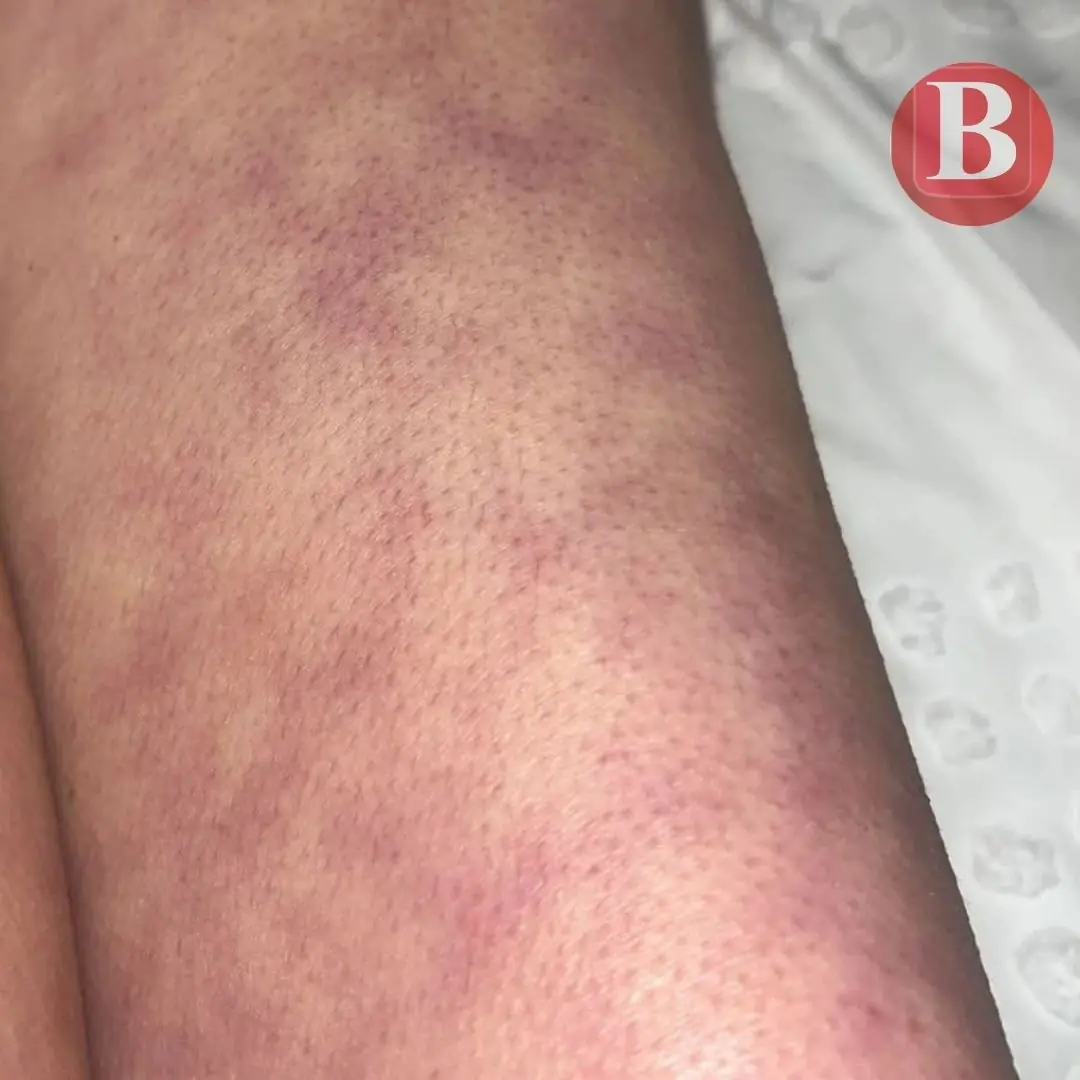
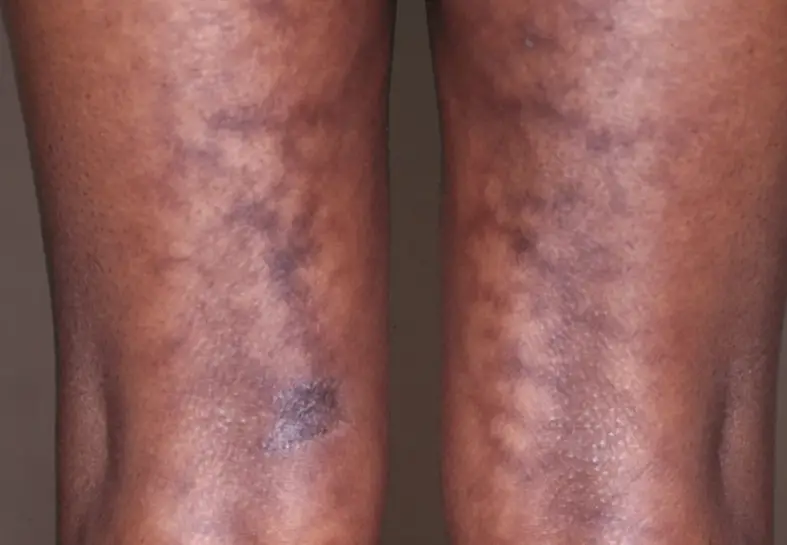
Livedo reticularis (LR), also known as mottled skin, is a type of skin discoloration that can occur if there is an interruption of blood flow to the skin. According to a study on this condition, LR is often a temporary, harmless phenomenon that is the result of exposure to cold temperatures or stress, but can sometimes appear due to certain underlying health issues.
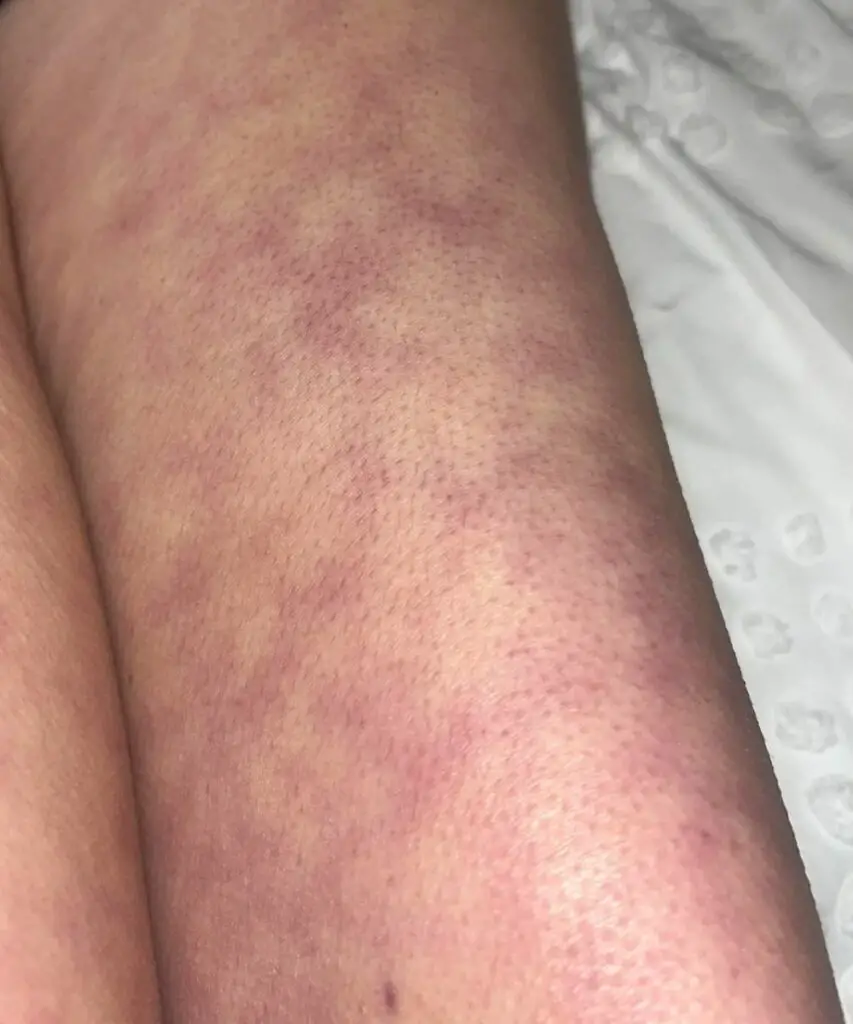
It appears as a purplish, net-like or lace-patterned discoloration on the arms or the legs and mostly impacts babies and assigned females between the ages of 20 and 50.
Mottled skin appears when the blood flow close to the skin’s surface changes, which can be caused by low oxygen levels in the blood, blood vessel spasms, or shifts in circulation. It can also be a result of certain medical conditions or a side effect of certain drugs and medications — mostly from amantadine (dopamine agonist used to treat Parkinson disease, multiple sclerosis, and attention deficit hyperactivity disorder). The discoloration typically becomes more noticeable in cold weather and may fade when the skin warms up.
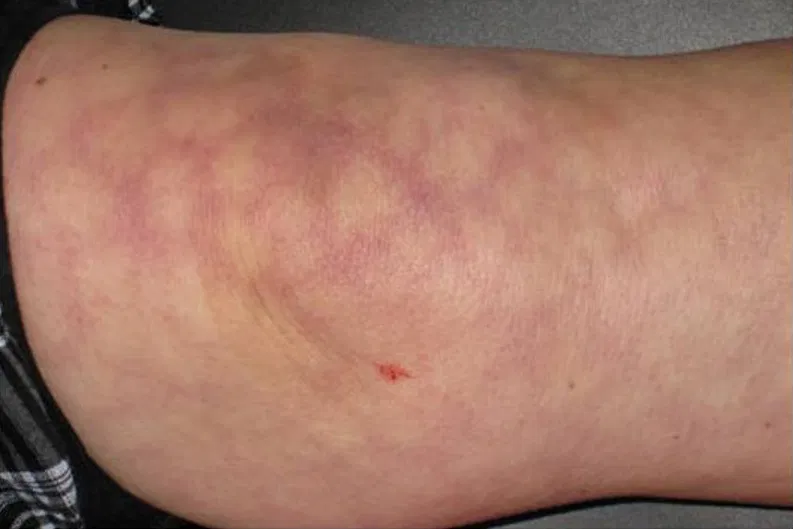
There are two forms of this condition: Physiological (Primary) Livedo Reticularis — a benign and temporary reaction to cold temperatures common in children, young adults, or people with fair skin, and Pathological (Secondary) Livedo Reticularis — more persistent and linked to underlying health problems such as autoimmune diseases, vascular disorders, or blood clotting abnormalities.
According to Verywell Heath, LR can be triggered by cold, septic shock, antiphospholipid syndrome, lupus, certain meds, rheumatoid arthritis, pancreatitis, thyroid disease, and at people who are nearing their life.
Although uncommon, livedo reticularis may sometimes indicate severe systemic illnesses, including Sneddon’s syndrome, a condition that links the skin pattern with stroke risk—polyarteritis nodosa, or cholesterol embolization.
For primary livedo reticularis no treatment is typically required as it usually fades away by itself if the body is kept warm. For secondary livedo reticularis, however, a doctor may prescribe you medications such as anticoagulants (to prevent clots), corticosteroids (for inflammation), or drugs that improve circulation. Also, your doctor may recommend lifestyle changes that will likely include quitting smoking, regular exercises, and managing blood pressure and cholesterol.
News in the same category


Whitmore's 'flesh-eating bac.teria' cases increase: Who is vulnerable?

If You Notice These Two Little Holes on Your Back, It Means You’re Not… Tap to Discover

If You Find This Insect in Your Home, Here’s What It Means

Doctors Reveals That Eating Apples Causes

What are the health consequences of dehydration?

Heartbreaking but Important: Subtle Signs Your Dog May Be Nearing the End of Life

Put a piece of garlic in the middle of the tree, it has great uses, everyone will want to do it

Save a Ton of Electricity Just by Pressing One “Special” Button on Your Washing Machine — Many People Use It for Years Without Knowing

Why Do Flight Attendants Choose to Stay at a Hotel Instead of Going Straight Home After Landing?

Cardiologist answers questions about clip instructing stroke check with finger that has millions of views on social networks

Many people think it's for decoration!

What it says about your relationship when your partner sleeps with their back to you

When Someone in the Family Passes Away, Never Throw Away These 4 Things at Their Funeral

If you hear ringing in your ear, this is a sign that you will suffer from...

When a cat rubs against you, this is what it means

Why do dogs often chase strangers

5 bad habits that increase the risk of str.oke at night

The Silent Mystery of Seat 11A: From the Most Hated Spot to a “Lucky Charm” That Saved the Only Survivors of Two Air Disasters

Doctor’s note: 4 fruits you should limit due to potential health risks, even if they seem affordable.
News Post

DANGEROUS COMPLICATIONS OF PULPITIS

Butter Steak Bites with Mashed Potatoes & Glazed Carrots – A Comfort Plate With Serious Flavor

What causes black thorn disease?

Baked Sweet Potatoes with Garlic Butter.

The #1 Drink to Reverse High Uric Acid and Gout — Backed by Science

If You Wake Up With These 4 Morning Symptoms, Sorry — Your Kid.neys May Be in Trouble

Drinking Coffee at the Wrong Time May Harm Your Heart:

Cardiologist reveals 3 drinks that help control blo.od pressure

A single ingredient to combat bone pain, diabetes, anxiety, depression, and constipation

Okra is great for your health, but not everyone reacts to it the same way

So this is why our electricity bills have been so high — we’ve been wasting power for ages without knowing!

Your feet can reveal important warning signs about circulation and nerve health

Whitmore's 'flesh-eating bac.teria' cases increase: Who is vulnerable?

Are kidney cysts really benign? Experts warn of signs that should never be ignored

Typical signs of uterine fibroids

The More You Eat This Vegetable, the Cleaner Your Arteries Become: A Stroke-Prevention Secret Many People Overlook!

Age Spots and Selenium: How This Powerful Mineral Can Help Fight Sun Damage Naturally

A 12-year-old boy loses 12 teeth at once due to a common habit among children

Warning: A Common Daily Habit May Be “Inviting” Liver Can.cer — Many People Know It, Yet Still Do It
