What Is a Parasite?
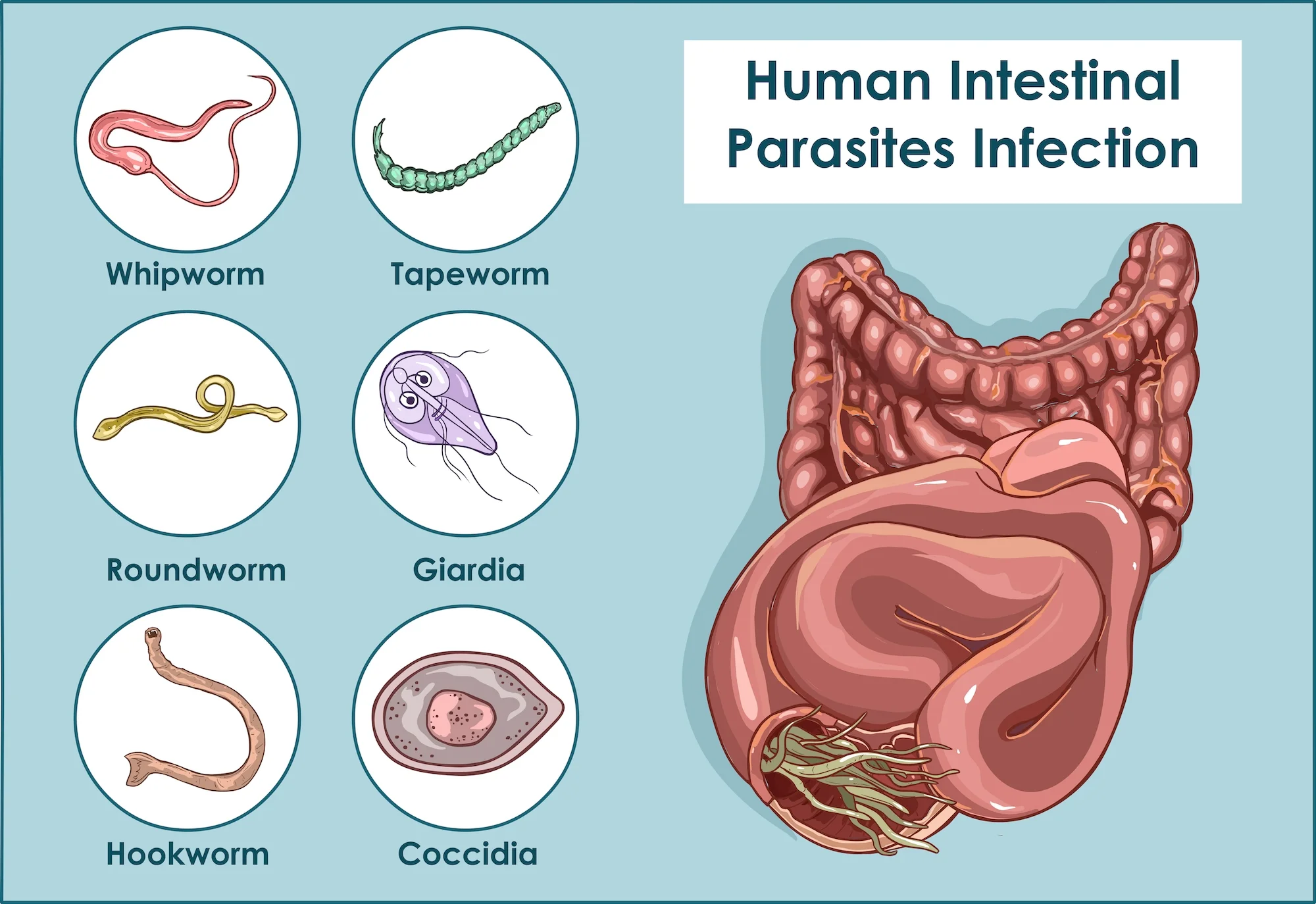
A parasite is an organism that lives on or in a host organism. It also gets its food from or at the expense of its host. Parasitic infections can be as unpleasant as they sound and much more common than you think. In most cases, these infections are the reason behind various health issues most people suffer from. A parasitic infection can affect your physical and mental health, from digestive issues to post-traumatic stress disorder. Examples of parasites include:
- Roundworms
- Tapeworms
- Pinworms
- Whipworms
- Hookworms
- Lice
- Giardia
- Mosquitos
- Bedbugs
- Scabies
Parasites come in many different shapes and sizes and can cause several health problems. Some consume your foods from inside your body and leave you hungry even after eating a healthy meal, while others feed off your red blood cells, causing anemia.
Many people do not even know they are suffering from a parasitic infection that could be a contributing factor to many chronic health issues. It is essential to look out for causes, signs, and symptoms that indicate a parasitic infection to start treatment as soon as possible.
How Can You Get Intestinal Parasites?
The following can increase your risk of getting intestinal parasites:
- Living in or visiting an area known to have parasites
- International travel
- Contaminated or unclean food and water
- Undercooked meats
- Poor hygiene
- Age factors – children and the elderly are more likely to get infected
- Exposure to child and institutional care centers
- Having a weakened immune system
- HIV or AIDS
- Working closely with animals
- Handling soil or waste material
Once you get infected with a parasite, it is easy to pass it along to others. If you have a parasite and do not wash your hands after using the restroom, you can easily pass microscopic parasite eggs onto anything you touch. From the bathroom door handle to a salt shaker, your phone, or anything else you touch, parasites can move from person to person. Having a parasite is scary, but there are ways to treat them
10 Signs You May Have a Parasite
The signs of parasites result from the toxins that these organisms release into the human bloodstream. Intestinal parasites get the most attention due to the intense and discomforting symptoms they produce. Many different types of parasites can lead to a variety of symptoms. The most common symptoms of parasitic infection include:
1. Digestive Problems

Unexplained constipation, diarrhea, gas, bloating, heartburn, or nausea can be a sign of parasitic infection. By nature, intestinal parasites take root in your gastrointestinal (GI) tract. They cause your immune system to react, and you will get different symptoms based on the organism.
Many symptoms of indigestion are often confused with IBS (irritable bowel syndrome). Doctors don’t necessarily check patients for these infections as parasitic infections are not very common. At times, the local routine lab tests also do not show anything helpful. Only more sensitive testing like the GI MAP can identify if your unusual gut symptoms are related to the unwanted trespassers.
2. Chronic Fatigue or Exhaustion
Parasites are tough on your body. They can lead to feelings of fatigue and exhaustion that result in mood changes, depression, personality shifts, headaches, and memory issues with feelings of apathy.
Certain intestinal parasites, like Giardia, can actually cause chronic fatigue syndrome that can lead to deficiencies and malabsorption of essential nutrients like iron and B12 in the body. It can lead to feelings of lethargy and tiredness that have no reason and affect your routine to a great extent.
3. Skin Diseases and Issues
Skin irritation, mysterious rashes, hives, rosacea, or eczema can be a sign of intestinal parasitic existence. If you are having itching, rashes, and hives without significant improvement even after over-the-counter treatments, it may be something more than a common skin issue.
The mechanism behind skin diseases is a bit complex. Intestinal parasites can stimulate the production of immunoglobulin E (IgE), antibodies produced by the immune system. It can then produce allergic reactions in your body, including skin problems that do not seem to have any source.
4. Muscular and Joint Pain
Parasites can invade the joint space and muscles and release inflammatory toxins that affect normal movements and range of motion. You may feel muscular and joint pain if you are suffering from a parasitical infection.
Trichinosis, caused by a type of roundworm, is a parasitic disease that occurs by eating undercooked or raw meat that contains larvae, or immature worms. These worms can make their way to your stomach through the food and results in joint and muscular pain. Painful, aching muscles or joints that do not get better with over-the-counter treatments indicate the presence of the intestinal parasite.
5. Anemia
Parasites can start eating your red blood cells or lead to loss of blood through the stool, which can cause blood loss and result in iron deficiency anemia. Parasites feed on the blood of the host tissue leading to the loss of iron and protein and a deficiency of red blood cells in the body.
These worms feed need to survive, and they do it at your expense. Loss of blood can make you feel exhausted as there is not enough blood in the body to support its normal functions.
6. Lack of Satisfaction After Meals
Another sign of parasite infection is that you will never feel satisfied or full after meals. This feeling is followed by weight loss. On the other hand, nausea and gas are common symptoms that reduce hunger levels.
Many people joke about how they must be having an intestinal parasite if they feel hungry all the time, but this can be a real symptom of parasitic infection. Tapeworms can hatch on your stomach and feed on what you eat, and this means you are always hungry for more. You will not feel satisfied or full even after eating your meals regularly.
7. Itchiness
Parasite infection can cause itching. Some parasites also dig tunnels under your skin and lay eggs in them, which leads to itching. Specific parasites like pinworms can produce localized itching, while they can also cause itching around your anus. As they are recognized as dangerous invaders by the body, the immune system produces Immunoglobulin E (IgE), antibodies that travel to cells and release chemicals, causing an allergic reaction.
8. Bruxism
Grinding your teeth in sleep also indicates the existence of parasites in the body. This condition is also known as bruxism. The toxins released by the intestinal parasites can lead to anxiety. These toxins interact with your neurotransmitters leading to mood swings, nervousness, and grinding of the teeth at night.
If you grind your teeth while sleeping or wake up with clenched teeth in the middle of the night, you may be suffering from bruxism.
9. Insomnia
You may have trouble falling asleep, or wake up several times during the night. It is because the parasites can cause physical discomfort or because it’s a nocturnal beast that is active during the night. You will find a disturbance in your sleeping patterns without noticing anything different in your regular habits.
10. Bloating
An intestinal parasite can lead to a buildup of extra gas in your gastrointestinal tract, which may result in bloating. The parasite Giardia can cause bloating with a distended stomach which becomes a nuisance if you don’t get it treated.
The seriousness and length of your symptoms vary with the specific parasite. Complications happen more often in older people, and people who already have serious illnesses. It is entirely possible to have a parasite in your stomach but no symptoms at all. Healthcare experts believe that not everyone will have the same signs or react the same way to a parasite. People infected with the parasitic worm Ascaris, for example, usually have no symptoms.