Most people have experienced the strange sensation of their hands “falling asleep” at some point. It usually begins with numbness, followed by tingling or a pins-and-needles feeling that slowly fades as normal sensation returns. While this experience is often harmless and temporary, frequent or persistent numbness in the hands may sometimes signal an underlying health issue.
Understanding why this happens can help people determine whether it is simply a temporary inconvenience or something that deserves medical attention.
What Does It Mean When Your Hands “Fall Asleep”?
When people say their hands have fallen asleep, they are typically describing a temporary loss of sensation caused by pressure on nerves or reduced blood flow. This condition, known medically as paresthesia, occurs when a nerve is compressed or irritated.
For example, sleeping in an awkward position or leaning on your arm for too long can compress the nerves that run through the wrist, arm, or shoulder. Once the pressure is relieved, the nerves begin functioning normally again, which produces the familiar tingling sensation.
In most cases, this temporary numbness disappears within a few minutes.
A Common Cause: Nerve Compression
One of the most common medical conditions associated with frequent hand numbness is carpal tunnel syndrome. This condition occurs when the median nerve, which runs through a narrow passageway in the wrist called the carpal tunnel, becomes compressed.
Carpal tunnel syndrome can cause symptoms such as numbness, tingling, weakness in the hand, and difficulty gripping objects. People who spend long hours typing, using a computer mouse, or performing repetitive hand movements may be at higher risk of developing this condition.
Over time, untreated nerve compression can worsen symptoms and affect hand strength.
Circulation Issues
Another possible reason hands fall asleep is reduced blood circulation. When blood flow to the hands is restricted, the nerves do not receive enough oxygen, which may lead to numbness or tingling sensations.
Poor circulation may occur when someone sleeps on their arm, crosses their arms tightly, or keeps their wrists bent for extended periods. In these cases, simply changing position usually restores normal blood flow.
However, if numbness occurs frequently without a clear cause, it may be worth discussing with a healthcare professional.
Other Possible Causes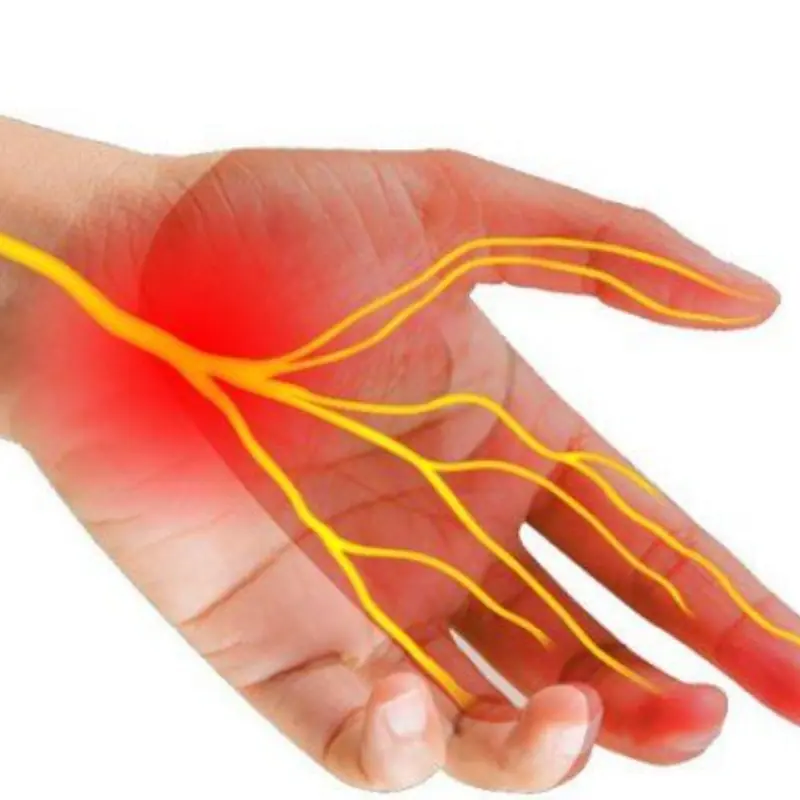
In some situations, frequent numbness in the hands may be related to other medical conditions. For example, nerve damage caused by diabetes can lead to tingling or numbness in the hands and feet.
Vitamin deficiencies, particularly low levels of vitamin B12, may also affect nerve function and cause unusual sensations in the extremities.
Additionally, conditions affecting the neck or spine, such as a herniated disc or nerve compression in the cervical spine, may cause numbness that travels down the arm into the hand.
When Should You Be Concerned?
Occasional numbness that disappears quickly is usually not a cause for concern. However, medical experts suggest seeking professional advice if certain symptoms appear.
These include numbness that happens frequently, persists for a long time, spreads to other parts of the body, or is accompanied by weakness, severe pain, or difficulty moving the hand.
Early evaluation can help identify the cause and prevent symptoms from becoming worse.
Simple Ways to Reduce Hand Numbness
There are several simple habits that may help reduce the likelihood of hand numbness.
Maintaining good posture while working at a computer can prevent unnecessary strain on the wrists and arms. Using ergonomic keyboards or wrist supports may also help reduce pressure on nerves.
Stretching the hands and wrists regularly throughout the day can improve circulation and reduce tension in the muscles and tendons.
During sleep, avoiding positions that place pressure on the arms or wrists can also help prevent numbness during the night.
Paying Attention to Your Body
Although the sensation of hands “falling asleep” is often harmless, frequent or persistent numbness should not be ignored. Our bodies often send signals when something needs attention.
By understanding the possible causes and paying attention to changes in sensation, individuals can take steps to protect their nerve health and maintain overall well-being.
If symptoms continue or worsen, consulting a medical professional can provide clarity and ensure that any underlying condition is properly addressed.