Swelling in the feet and legs is a common problem that many people experience from time to time. It can occur after long hours of standing, sitting for extended periods, traveling, or due to certain health conditions. This condition, known as edema, happens when excess fluid builds up in the body’s tissues.
While occasional swelling may not be a cause for concern, frequent or persistent swelling can affect comfort and mobility. In addition to lifestyle changes such as staying active and elevating the legs, nutrition may also play an important role in managing fluid balance and supporting healthy circulation.
Certain nutrients can help the body regulate fluids, reduce inflammation, and improve blood flow. Here are five nutrients that may help reduce swelling in the feet and legs.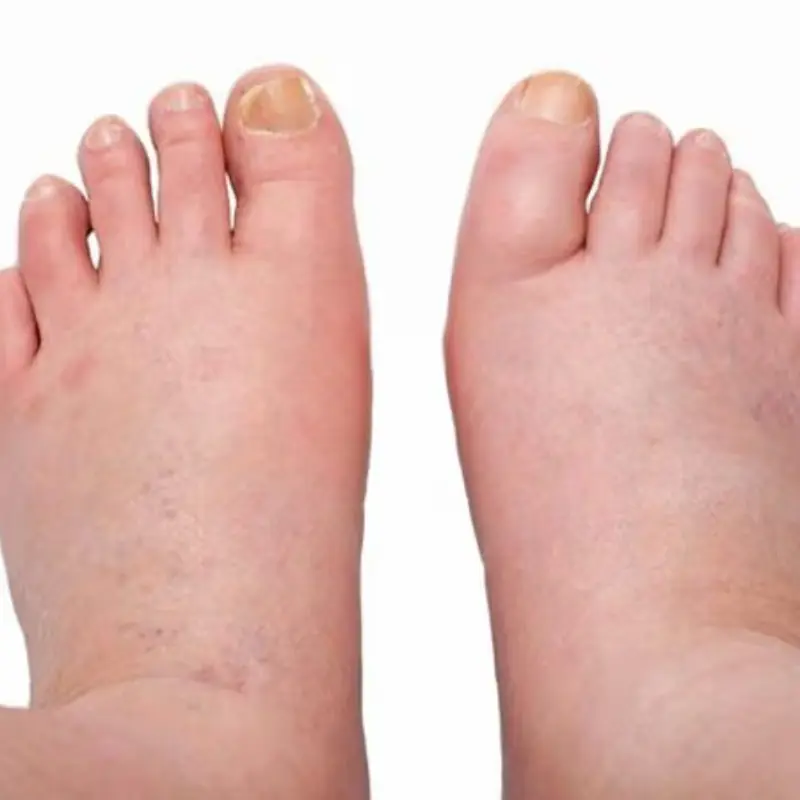
1. Potassium
Potassium is one of the most important nutrients for maintaining the body’s fluid balance. It helps counteract the effects of sodium, which can cause the body to retain water when consumed in excess.
By helping regulate sodium levels, potassium may reduce fluid retention and swelling. Foods rich in potassium include bananas, avocados, sweet potatoes, spinach, and beans.
Maintaining adequate potassium intake can also support heart health and proper muscle function.
2. Magnesium
Magnesium plays a key role in hundreds of processes within the body, including muscle function and circulation. Some studies suggest that magnesium may help reduce water retention, particularly in people who experience swelling related to hormonal changes.
Foods that contain magnesium include almonds, pumpkin seeds, dark leafy greens, whole grains, and dark chocolate.
Ensuring sufficient magnesium intake may help support healthy nerve and muscle function while also contributing to better fluid balance.
3. Vitamin B6
Vitamin B6 is another nutrient that may help reduce fluid retention in the body. It plays an important role in protein metabolism and the production of neurotransmitters.
Some research suggests that vitamin B6 may help relieve mild swelling by supporting the body’s natural fluid regulation processes.
Foods rich in vitamin B6 include chicken, fish, bananas, potatoes, chickpeas, and fortified cereals.
4. Omega-3 Fatty Acids
Omega-3 fatty acids are well known for their anti-inflammatory properties. Chronic inflammation can contribute to swelling in different parts of the body, including the legs and feet.
By reducing inflammation and supporting cardiovascular health, omega-3 fatty acids may help improve circulation and decrease swelling.
Common sources of omega-3 fatty acids include fatty fish such as salmon, mackerel, and sardines, as well as flaxseeds, chia seeds, and walnuts.
5. Vitamin C
Vitamin C is an essential nutrient that supports the health of blood vessels and connective tissues. Strong blood vessels help prevent fluid from leaking into surrounding tissues, which may reduce swelling.
Vitamin C also acts as a powerful antioxidant that helps protect the body from oxidative stress.
Good sources of vitamin C include oranges, strawberries, kiwi, bell peppers, broccoli, and tomatoes.
Lifestyle Habits That Support Healthy Circulation
In addition to consuming nutrient-rich foods, several simple lifestyle habits can help reduce swelling in the legs and feet.
Regular physical activity encourages better blood circulation and helps prevent fluid from pooling in the lower limbs. Even simple movements such as walking or stretching can make a difference.
Elevating the legs when resting can also help fluids move back toward the heart, reducing swelling in the lower body.
Staying well hydrated is another important factor. Drinking enough water helps the body maintain proper fluid balance and may reduce the tendency to retain excess water.
Reducing excessive salt intake can also help prevent fluid retention.
When to Seek Medical Advice
Although mild swelling is often related to lifestyle factors, persistent or severe swelling may indicate an underlying health issue. Conditions such as heart problems, kidney disease, or circulation disorders can sometimes cause swelling in the legs and feet.
If swelling occurs frequently, becomes painful, or is accompanied by other symptoms such as shortness of breath or sudden weight gain, it is important to consult a healthcare professional.
Supporting Your Body Through Nutrition
The foods we eat play an important role in supporting overall health and maintaining the body’s natural balance. Nutrients such as potassium, magnesium, vitamin B6, omega-3 fatty acids, and vitamin C may help reduce swelling by improving circulation and regulating fluid levels.
Combined with healthy lifestyle habits, these nutrients can support better comfort and mobility for those who experience occasional swelling in the feet and legs.