Hidden Danger: The Subtle but Serious Signs of High Cholesterol You Can Actually See
High cholesterol is often called a silent threat because many people live with it for years without realizing anything is wrong. Unlike illnesses that immediately cause pain or discomfort, high cholesterol tends to build slowly inside the body, quietly affecting the arteries and increasing the risk of heart disease and stroke. What makes it even more concerning is that millions of people around the world have elevated cholesterol levels without any clear symptoms.
However, while cholesterol problems are usually invisible, the body can sometimes send subtle signals. These signs may appear on the skin, around the eyes, or even in the way a person feels during everyday activities. Recognizing these early warnings can make a huge difference because early detection allows people to take action before serious complications develop.
Understanding What High Cholesterol Really Does
Cholesterol is a fatty substance found in the blood. The body actually needs some cholesterol to build cells and produce hormones. The problem begins when cholesterol levels become too high, especially the type known as low-density lipoprotein (LDL), often called “bad cholesterol.”
When LDL levels rise, cholesterol can accumulate along the walls of blood vessels. Over time, these fatty deposits form plaques that narrow the arteries. This condition is known as atherosclerosis, and it reduces the amount of blood that can flow through the vessels.
Reduced blood flow means organs such as the heart and brain receive less oxygen. If a plaque ruptures or completely blocks an artery, it can lead to life-threatening events such as heart attacks or strokes.
Because this process develops slowly, the body may give small visual clues before a major health problem occurs.
1. Yellowish Deposits Around the Eyes
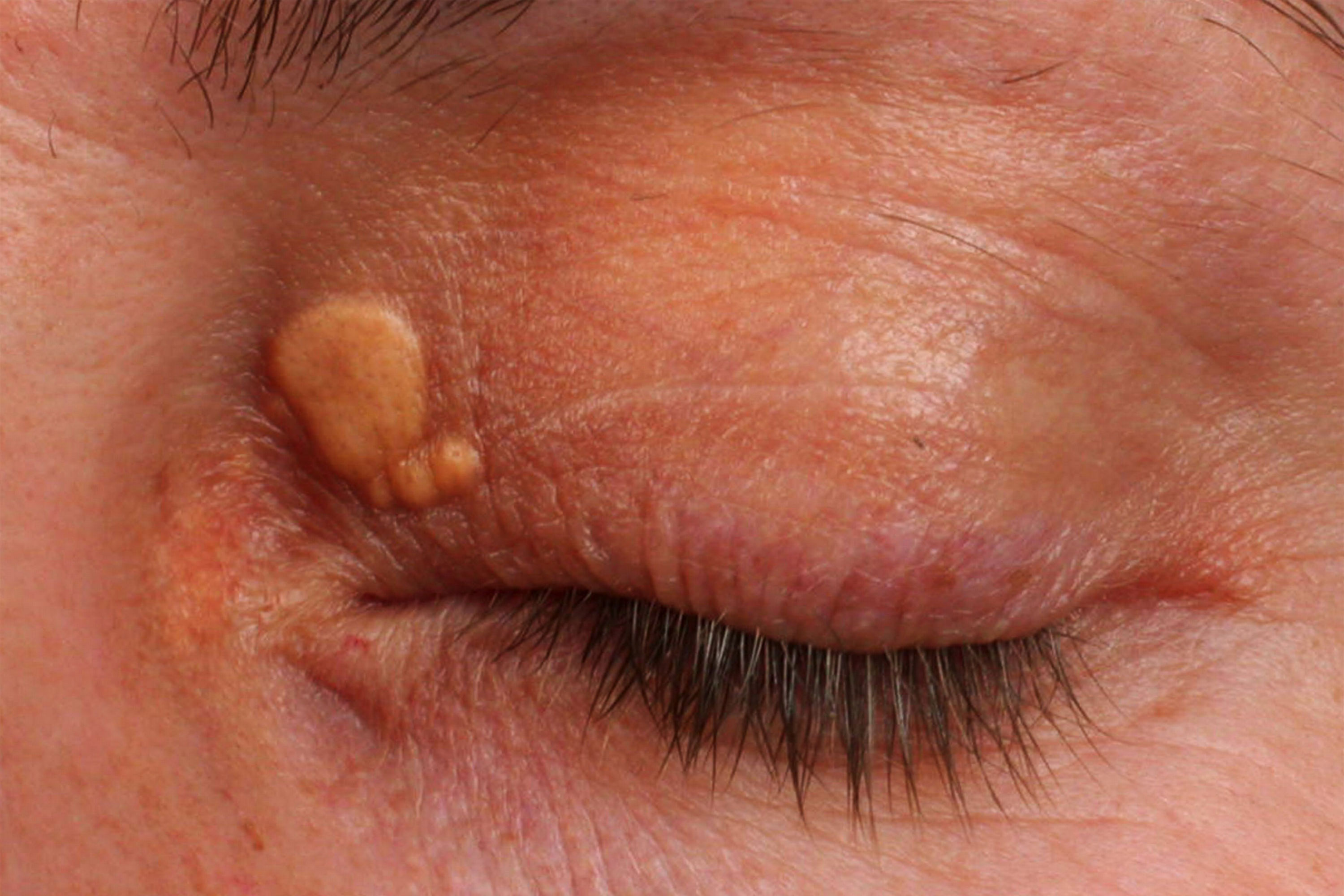
One of the most recognizable signs of high cholesterol appears around the eyes. These yellowish patches, called xanthelasma, often develop on the eyelids or near the inner corners of the eyes.


These patches are caused by cholesterol accumulating under the skin. They usually appear soft, flat, and slightly raised. Although they are not painful, they can gradually grow over time.
Not everyone with xanthelasma has high cholesterol, but studies show that people who develop these deposits often have abnormal lipid levels. Doctors frequently recommend cholesterol testing when these patches appear, especially if there is a family history of heart disease.
2. A Gray or White Ring Around the Cornea
Another visible sign can appear in the eyes themselves. Some individuals develop a gray or white ring around the cornea, the clear front surface of the eye. This condition is called arcus senilis.


In older adults, this ring can sometimes be a normal part of aging. However, when it appears in younger individuals, it may indicate high cholesterol levels circulating in the bloodstream.
The ring forms when lipids deposit in the cornea. It usually does not affect vision, but its presence can serve as a warning sign that cholesterol levels should be checked.
3. Small Yellow Bumps on the Skin
High cholesterol can also manifest through xanthomas, which are small yellowish or orange bumps that appear on different parts of the body.


These bumps often develop on:
-
Elbows
-
Knees
-
Hands
-
Buttocks
-
Back of the arms
They form when cholesterol collects in fatty deposits under the skin. In some cases, the bumps may feel slightly firm or waxy.
Certain types of xanthomas are linked to extremely high triglyceride levels, which can significantly increase the risk of cardiovascular disease if left untreated.
Other Less Obvious Warning Signs
Not all cholesterol symptoms are visible on the skin. Some signs are more subtle but still important to notice.
Frequent chest discomfort:
When arteries supplying the heart become narrowed, people may experience pressure, tightness, or discomfort in the chest, especially during physical activity.
Leg pain when walking:
Reduced blood flow in the legs can cause cramping or pain during walking, a condition known as peripheral artery disease.
Sudden fatigue:
Poor circulation can lead to unusual tiredness because muscles and organs receive less oxygen.
While these symptoms can have many causes, they may also signal underlying cardiovascular issues related to cholesterol buildup.
Why Many People Never Notice the Signs
One reason high cholesterol is so dangerous is that many people feel perfectly healthy. The body does not always react strongly to cholesterol buildup, which means individuals can live for years with dangerously high levels.
Routine blood tests are the only reliable way to measure cholesterol levels. Health professionals typically evaluate:
-
Total cholesterol
-
LDL (bad cholesterol)
-
HDL (good cholesterol)
-
Triglycerides
Regular screening becomes even more important for people with risk factors such as obesity, diabetes, smoking, or a family history of heart disease.
How Lifestyle Choices Affect Cholesterol
The good news is that cholesterol levels can often be improved through lifestyle changes. Diet, physical activity, and daily habits play a major role in determining cholesterol levels.
Some helpful strategies include:
Eating heart-healthy foods
Foods rich in fiber, such as vegetables, fruits, whole grains, and legumes, help reduce LDL cholesterol. Healthy fats from nuts, seeds, and olive oil can also support better lipid balance.
Reducing saturated and trans fats
Highly processed foods, fried items, and fatty meats can increase LDL cholesterol levels.
Regular exercise
Physical activity helps raise HDL (the “good” cholesterol) while lowering LDL.
Maintaining a healthy weight
Even modest weight loss can improve cholesterol levels and overall cardiovascular health.
Avoiding smoking
Smoking damages blood vessels and accelerates plaque formation in the arteries.
The Importance of Early Detection
Recognizing visible signs such as eyelid deposits, skin bumps, or rings around the eyes can serve as an early alert that something may be wrong inside the body. These signs do not always mean a person has high cholesterol, but they are strong reasons to seek medical evaluation.
Early diagnosis allows individuals to manage cholesterol levels before serious complications occur. With the right combination of healthy habits, medical monitoring, and sometimes medication, many people successfully reduce their risk of heart disease.
High cholesterol may be silent, but the body sometimes provides subtle clues. Paying attention to those signals can be the key to protecting long-term health and preventing potentially life-threatening conditions.