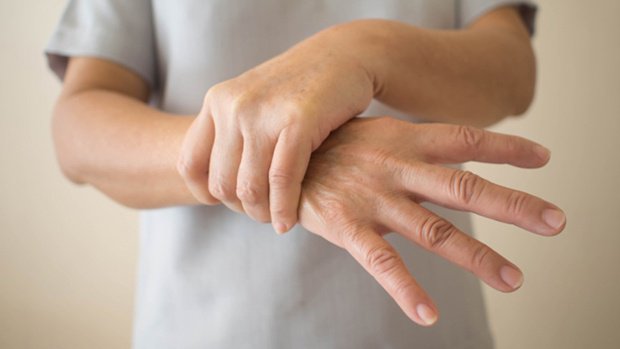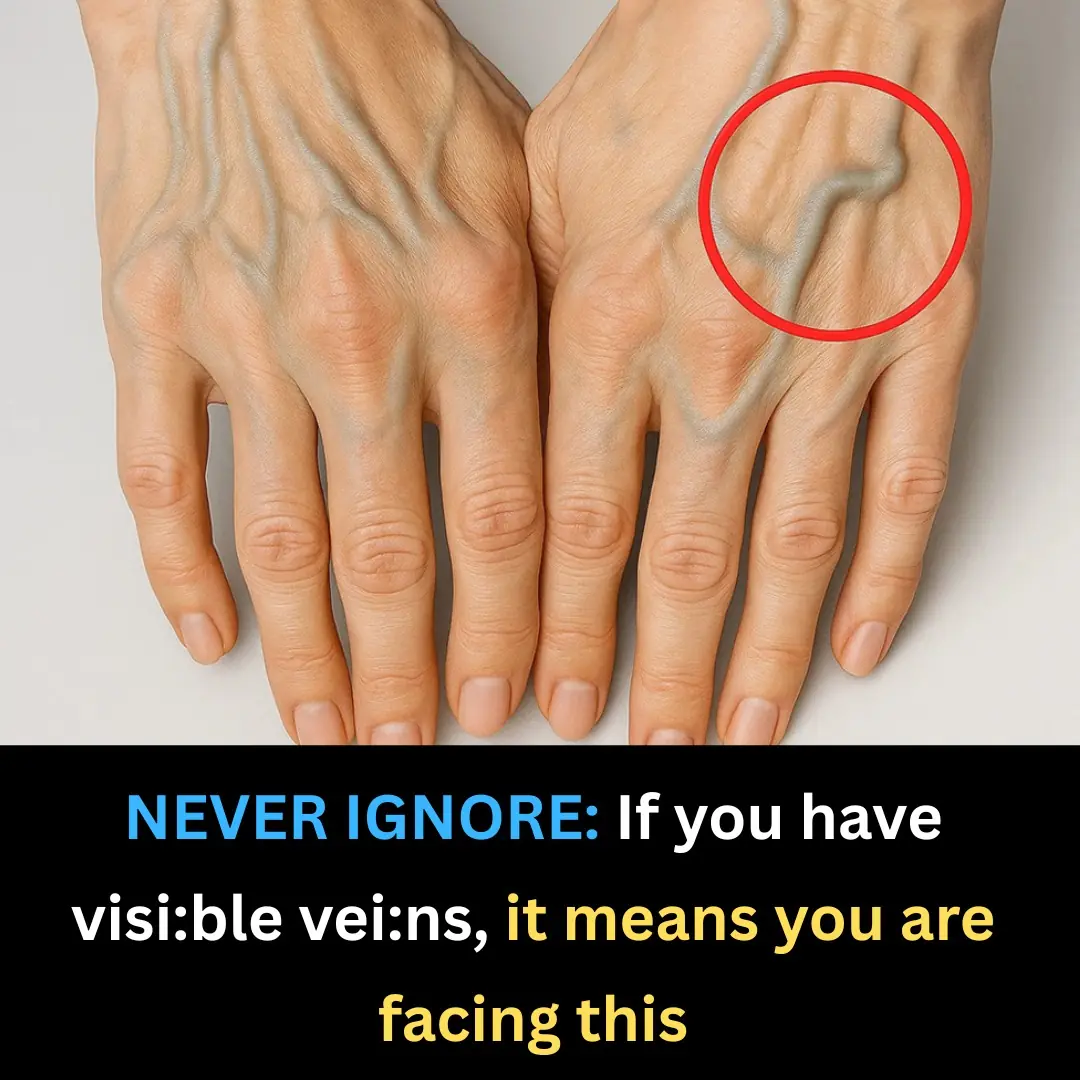
Noticing new veins suddenly appearing on your legs, arms, hands, or other parts of your body can be surprising - and sometimes alarming. While visible veins are often harmless, they can occasionally signal underlying health issues that deserve attention. Understanding why these veins show up and knowing when to seek medical advice can help you protect your long-term vascular and overall health.
This article explores the common causes of suddenly visible veins, the warning signs to watch for, and when it’s time to consult a healthcare professional.
Why Do Veins Become More Noticeable?
Veins can become visible for several reasons, many of which are completely normal. These include:
1. Thinner Skin
As we age, our skin naturally becomes thinner and loses fat — making the veins underneath more prominent. Sun exposure and genetics can also accelerate this process.
2. Increased Physical Activity
Intense exercise pushes more blood through the veins, causing them to dilate. Weightlifting, running, and high-impact training often make veins more visible because of increased muscle pressure and improved circulation.
3. Temperature Changes
Heat causes blood vessels to expand, while cold causes them to contract. During hot weather or hot showers, veins may appear larger or darker.
4. Low Body Fat
People with lower body fat often have more visible veins because there is less fat beneath the skin to conceal them. This is common in athletes and individuals who lose weight rapidly.
5. Genetics
Some individuals are simply predisposed to having more visible veins. If your family members have prominent veins, you may be more likely to develop them as well.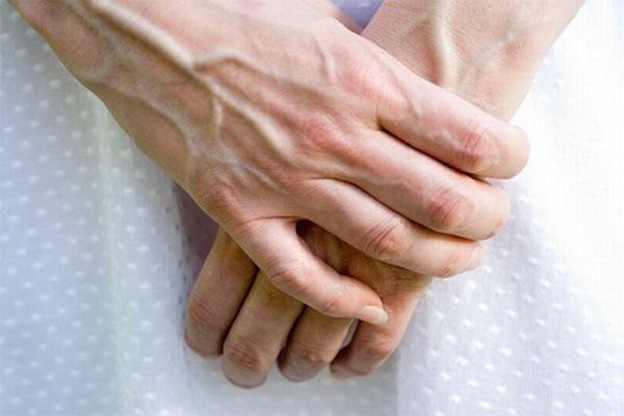
When Visible Veins Are a Sign of a Health Problem
While many visible veins are harmless, there are times when they point to potential medical issues. Here are situations where new or changing veins require closer attention:
1. Varicose Veins
Varicose veins are enlarged, twisted veins that usually appear in the legs. They occur when the valves inside veins weaken, causing blood to pool.
Signs to watch for:
-
Bulging, rope-like veins
-
Aching or heavy legs
-
Swelling in the ankles or feet
-
Itching or burning sensation
-
Worsening pain after standing
Untreated varicose veins can lead to skin changes, infections, and even blood clots.
2. Chronic Venous Insufficiency (CVI)
CVI occurs when veins cannot effectively pump blood back to the heart. It is often linked to varicose veins and circulation problems.
Warning symptoms include:
-
Swelling in the legs
-
Skin discoloration (brown or purple patches)
-
Thickening of the skin
-
Leg cramps
-
Restless legs at night
This condition should not be ignored, as it can gradually worsen without treatment.
3. Blo.od Clots (Deep Vein Thrombosis – DVT)
Suddenly visible veins accompanied by pain or swelling can be a sign of a blood clot deep inside the leg.
Danger signs include:
-
Swelling in one leg
-
Warmth or redness
-
Tight, painful calf
-
Visible superficial veins that appear suddenly
DVT is a medical emergency because a clot can travel to the lungs and become life-threatening.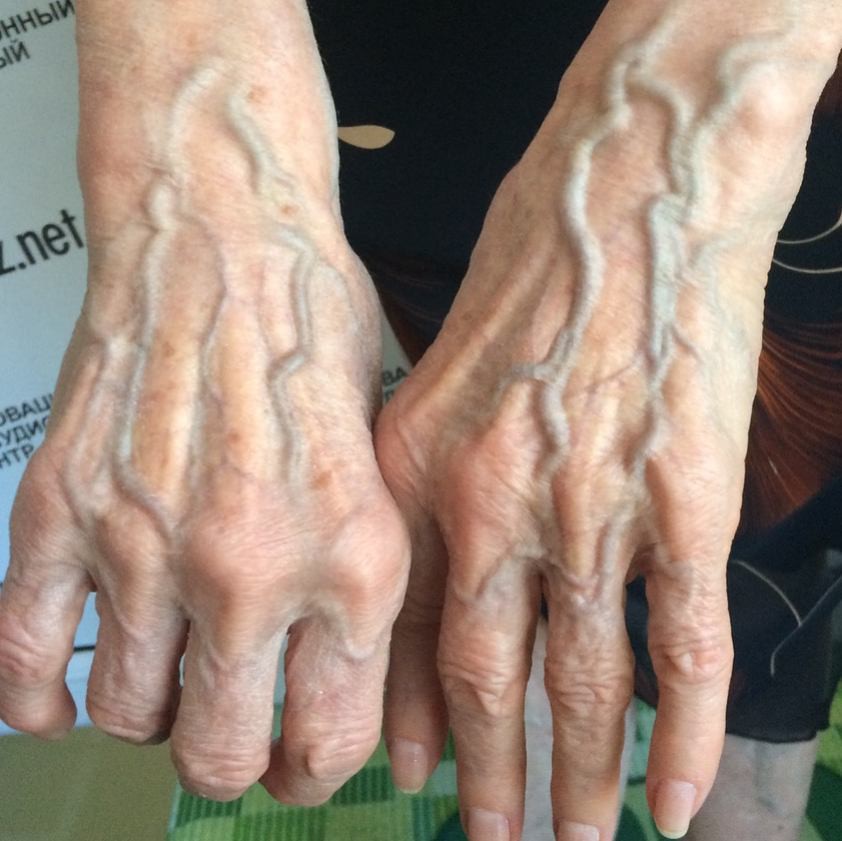
4. Hormonal Changes
Pregnancy, menopause, or hormonal medications can cause new veins to appear due to increased blood volume and pressure on veins.
Symptoms include:
-
Swelling
-
Aching legs
-
Worsening visibility of veins
Most pregnancy-related vein issues improve after childbirth, but some may require treatment.
5. Sudden Weight Loss
Rapid weight loss can make veins more visible. However, extreme or unexplained weight loss may indicate a medical issue like thyroid disease or malnutrition.
If new veins appear alongside fatigue, rapid heartbeat, or unexplained weight changes, it’s important to seek medical advice.
6. Liver Disease
Visible veins on the chest or abdomen - sometimes called “spider veins” or “spider angiomas” - can be linked to liver dysfunction.
Accompanying symptoms may include:
-
Yellowing of the skin or eyes
-
Easy bruising
-
Abdominal swelling
-
Chronic fatigue
These signs warrant immediate medical evaluation.
7. Vascular Malformations
New veins that appear in unusual places or grow quickly may indicate a structural vessel abnormality, which should be examined by a specialist.
When Should You See a Doctor?
Seek medical attention if:
-
The new veins appear suddenly without explanation
-
They are accompanied by pain, swelling, or redness
-
One leg is more swollen or veiny than the other
-
You experience shortness of breath (possible clot complication)
-
The skin around the veins changes color
-
You have a family history of vein diseases
-
You are pregnant and notice rapid changes in your veins
Early intervention can prevent complications and improve outcomes.
How to Protect Your Vein Health
You can take steps to reduce the appearance of problematic veins and support healthy circulation:
-
Maintain a healthy weight
-
Avoid standing or sitting for long periods
-
Elevate your legs daily
-
Exercise regularly to promote blood flow
-
Wear compression stockings if recommended
-
Limit sun exposure to prevent skin thinning
-
Stay hydrated
-
Avoid tight clothing that restricts circulation
These habits help keep your veins functioning properly and reduce strain on the circulatory system.
Final Thoughts
Visible veins are often harmless, but in some cases, they can signal a deeper issue that shouldn’t be overlooked. Paying attention to how and when they appear - and whether they come with other symptoms - can help you determine whether they’re simply a cosmetic concern or a sign of a health problem.
Your veins tell a story about your circulatory system, your lifestyle, and even your overall well-being. When something changes suddenly, it’s your body’s way of asking you to take a closer look.
If you’d like this rewritten in a shorter, more medical, or more emotional tone, I can adjust it.