Cheese contains proteins that provide amino acids, while its carbohydrate content varies depending on the type of cheese and how it was produced. During baking, the surface becomes hot enough for browning reactions to occur, especially in areas where moisture has evaporated.
As the surface dries and its temperature rises, chemical reactions become more noticeable. The cheese develops deeper colors and more complex aromas.
This explains why a pizza can have pale cheese in one area and a beautifully browned bubble just a few centimeters away.
The temperature across a pizza is rarely perfectly consistent. Some areas receive more direct heat from the oven, while others remain cooler because of their position, the thickness of the toppings, or the amount of moisture present.
A raised cheese bubble may also expose its surface to heat more directly than a flat section. This can encourage browning on the top of the bubble.
Another important factor is fat.
Cheese contains milk fat, which melts as the temperature increases. When fat separates from the protein structure, it may collect in small pools or create a glossy appearance. These areas can become especially noticeable around raised bubbles.
Some cheeses release more oil than others. High-fat cheeses, aged cheeses, and certain processed cheese blends may behave differently from fresh mozzarella. The amount of moisture, fat, and protein in the cheese influences how it melts and how its surface changes during baking.
You may also notice that the edges of a cheese bubble become darker than its center. This can happen because thin areas heat up and lose moisture more quickly. Once the surface becomes sufficiently dry, browning reactions can accelerate.
In addition to the Maillard reaction, other heat-related changes can influence color and flavor. For example, milk sugars may participate in browning reactions, and prolonged exposure to intense heat can eventually cause the cheese to become very dark or charred.
The golden spots are often especially appealing because they provide a contrast in texture. The flatter areas remain soft and creamy, while the browned sections may become slightly firmer, more concentrated in flavor, and occasionally crisp around the edges.
This combination is one reason why many pizza enthusiasts enjoy cheese that has developed a mixture of pale and golden patches rather than a completely uniform appearance.
However, there is an important distinction between normal browning and excessive burning.
A golden-brown bubble is generally a normal result of baking. A very dark brown or blackened area indicates that the surface has experienced more intense heating. Although accidentally eating a small amount of charred food is not generally an immediate cause for alarm, regularly consuming heavily charred foods is best avoided.
So, if you see a few golden bubbles on your pizza, there is usually no reason to worry.
In fact, those spots may be contributing to the flavor and texture that make a freshly baked pizza so enjoyable.
But what if the bubbles become unusually large, release a lot of oil, or appear alongside strange smells? Does that mean the cheese is spoiled, or is it simply reacting differently to the oven?
The answer depends on understanding the difference between normal cooking behavior and genuine signs of food spoilage.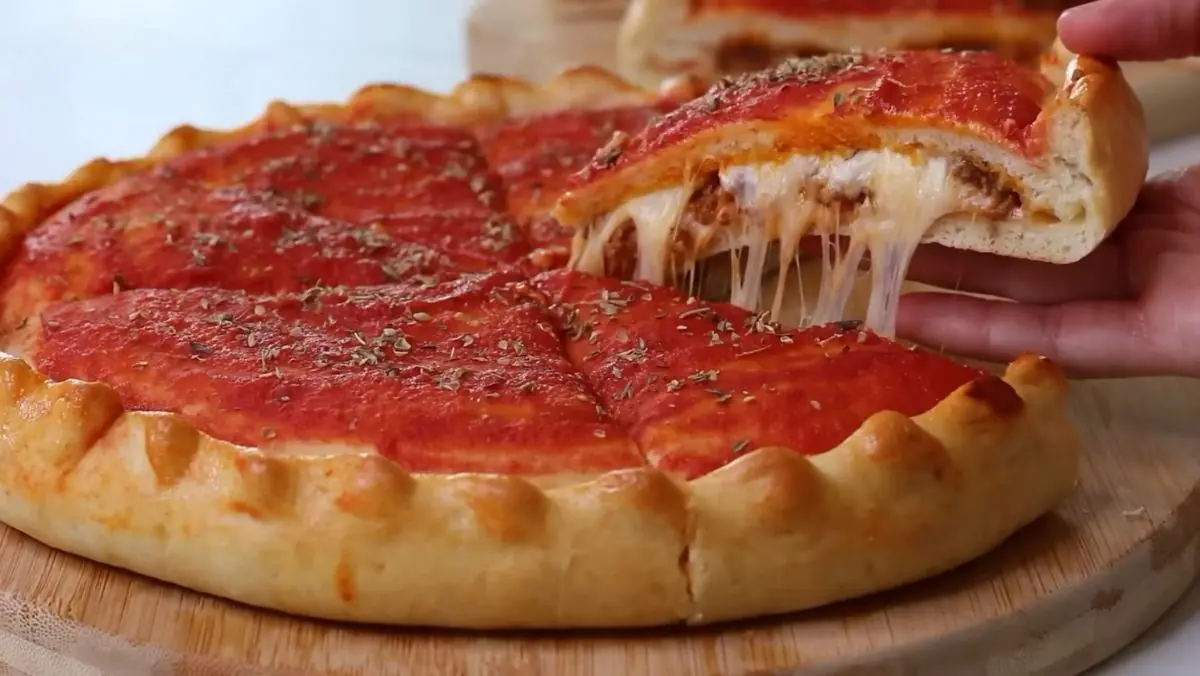
Chapter 3: Are Pizza Cheese Bubbles Safe to Eat?
For most people, the answer is reassuring: ordinary bubbles that form in pizza cheese during baking are safe to eat.
The appearance of bubbles, by itself, is not evidence of contamination, spoilage, or harmful bacteria. They are usually caused by heat, expanding moisture, melting fat, and the structure of the cheese.
When pizza is baked properly, the cheese is exposed to temperatures high enough to melt it and contribute to cooking the toppings. The bubbling process is a normal part of that transformation.
However, it is important not to confuse the appearance of cooked cheese with the overall safety of the pizza.
Food safety depends on several factors, including the condition of the ingredients before cooking, how the pizza was prepared, how it was stored, and how long it remained at room temperature.
For example, cheese that was already spoiled before being placed on a pizza does not automatically become safe simply because it has been heated. Cooking can destroy many harmful microorganisms, but it does not necessarily eliminate every toxin that may have been produced during improper storage.
This is why checking the ingredients before cooking remains important.