If the oven is too cool, the cheese may spend a long time heating and releasing moisture before the crust finishes cooking. If the temperature is excessively high for the cooking time and ingredients, the surface may brown or burn before the rest of the pizza is ready.
Preheating the oven properly is therefore essential.
A hot oven helps the crust cook efficiently and allows the cheese to melt within an appropriate period. A preheated pizza stone or steel can also improve heat transfer to the bottom of the crust, although it should be used according to the manufacturer's instructions.
The placement of the pizza matters, too.
The upper part of an oven may expose the cheese to stronger radiant heat, encouraging faster browning. A lower position may cook the crust more directly while reducing the amount of heat reaching the cheese surface.
Experimenting with oven position can help you find the balance you prefer.
You can also control the size of the cheese pieces. Smaller shreds generally melt faster and more evenly, while larger pieces may create more noticeable pockets and variations.
For a smoother appearance, distribute the cheese consistently and avoid leaving unusually large piles in a few areas.
If you enjoy golden bubbles, however, you may want to allow the cheese to remain exposed to sufficient heat near the end of cooking. Just keep an eye on it. There is a narrow difference between attractive browning and excessive burning.
Another useful tip is to avoid judging the pizza only by its color.
The crust, the underside, and the toppings should all be properly cooked. A beautifully browned cheese surface does not guarantee that the dough underneath is fully baked.
Likewise, a pale cheese surface does not necessarily mean the pizza is undercooked. Some ovens and cheese varieties produce a lighter appearance even when the pizza is cooked properly.
When the pizza comes out of the oven, allow it to rest briefly before slicing. This gives the cheese and toppings a moment to settle. It also reduces the chance of extremely hot cheese sliding off the crust when the first slice is lifted.
Most importantly, remember that pizza is a food, not a chemistry experiment that must produce identical results every time.
Small differences in ingredients, moisture, oven performance, and cooking conditions are normal. They are part of what makes homemade pizza interesting.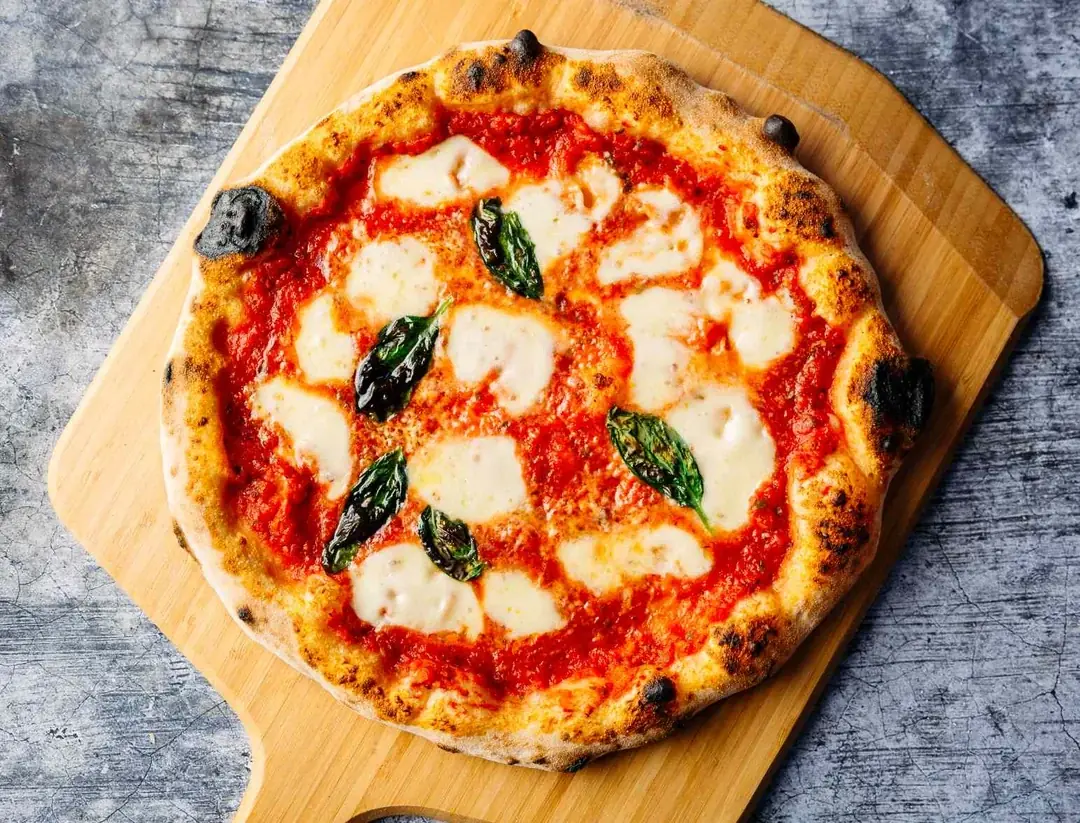
The Final Answer: Should You Worry About Those Golden Cheese Bubbles?
The next time you see a pizza covered in little golden bubbles, there is no need to assume that something unusual or dangerous has happened.
Those raised spots are generally the result of ordinary cooking processes. Heat softens the cheese, melts its fat, and turns some of its moisture into vapor. As vapor expands beneath the surface, it can lift sections of the cheese and create bubbles.
As the surface becomes hotter and drier, browning reactions produce the golden and brown patches that give pizza much of its familiar flavor.
The type of cheese, its moisture content, the amount used, and the oven temperature all influence the final appearance.
Most importantly, ordinary cheese bubbles are not a sign of harmful bacteria or contamination. They are usually completely normal and safe to eat when the pizza has been prepared with fresh ingredients and handled correctly.
However, always pay attention to genuine warning signs of spoilage, including unusual odors, unexpected mold, or a slimy texture before cooking. Store leftovers promptly, refrigerate them properly, and avoid eating pizza that has been left out beyond recommended food-safety limits.
In the end, those little bubbles are a reminder of how much science happens inside an ordinary kitchen oven. What looks like a simple piece of melted cheese is actually undergoing a series of physical and chemical changes involving moisture, proteins, fats, and heat.
And perhaps that is part of the reason pizza remains so fascinating.
The next time you lift a slice and notice a golden, puffed-up spot stretching across the cheese, you will know that you are looking at more than just a delicious topping. You are seeing the result of heat, moisture, and chemistry working together.
So enjoy those golden bubbles. They are usually one of the most harmless and delicious - surprises a freshly baked pizza can offer.