For decades, lung cancer was strongly associated with smoking. And while smoking remains the leading risk factor, doctors and researchers are increasingly seeing lung cancer develop in people who have never smoked at all.
This trend has raised an important question:
How can someone who has never touched a cigarette still develop lung cancer?
The answer is more complex than many people realize. Lung cancer in non-smokers is influenced by a combination of environmental exposure, genetics, lifestyle, and even modern living conditions.

Lung Cancer in Non-Smokers Is More Common Than Many Think
Experts estimate that if lung cancer in non-smokers were considered its own category, it would rank among the more common cancers worldwide.
What makes it especially concerning is that:
- Symptoms are often overlooked
- Non-smokers usually don’t consider themselves at risk
- Diagnosis may happen later because suspicion is lower
In many cases, people are shocked when they receive the diagnosis because they believed avoiding cigarettes completely eliminated the risk.
1. Air Pollution May Play a Major Role
One of the biggest suspected factors is air pollution.
Tiny particles in polluted air can travel deep into the lungs, causing:
- Chronic inflammation
- Cellular damage
- Long-term stress on lung tissue
Researchers have increasingly linked polluted environments with higher risks of respiratory diseases, including lung cancer.
This is particularly important in:
- Large urban areas
- Industrial zones
- Regions with heavy traffic pollution
Even indoor pollution can contribute.
2. Secondhand Smoke Still Matters
You don’t have to smoke yourself to be affected by tobacco smoke.
Long-term exposure to secondhand smoke can increase lung cancer risk significantly.
This exposure may happen through:
- Family members who smoke
- Workplace environments
- Public spaces
- Childhood exposure at home
Over many years, passive smoke exposure can still damage lung tissue.
3. Genetic Factors Are Becoming More Important
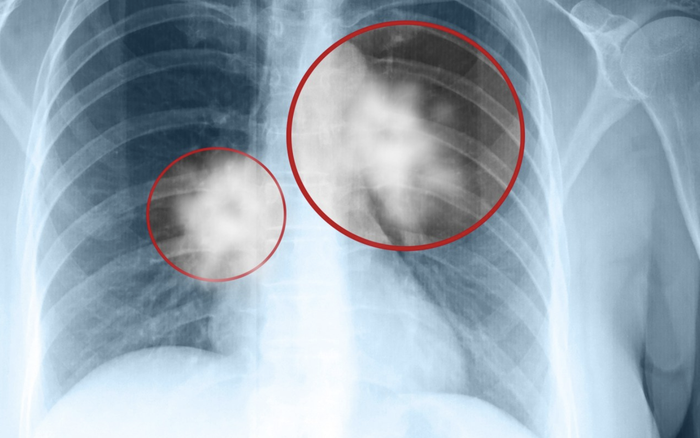
Scientists have discovered that lung cancer in non-smokers often behaves differently from smoking-related lung cancer.
Many cases are associated with:
- Specific genetic mutations
- Cellular abnormalities
- Family history factors
Some people may simply be more biologically vulnerable to developing the disease—even without traditional smoking exposure.
This is why targeted therapies and genetic testing are becoming increasingly important in treatment.
4. Indoor Air and Household Exposure
Surprisingly, the air inside a home may sometimes be more polluted than outdoor air.
Potential indoor contributors include:
- Cooking fumes
- Poor ventilation
- Burning fuels indoors
- Household chemicals
In some regions, long-term exposure to smoke from cooking or heating methods has been linked to increased lung disease risk.
5. Radon Gas Exposure
Many people have never heard of radon, but it is considered a major risk factor for lung cancer in non-smokers.
Radon is:
- A naturally occurring radioactive gas
- Invisible and odorless
- Able to accumulate inside buildings
Long-term exposure can damage lung tissue over time without obvious warning signs.
6. Symptoms Are Often Ignored in Non-Smokers
One major issue is delayed diagnosis.
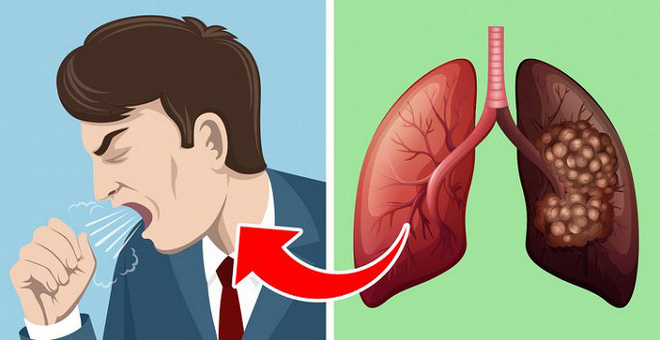
Non-smokers may ignore symptoms like:
- Persistent cough
- Chest pain
- Shortness of breath
- Fatigue
- Hoarseness
Because they don’t associate themselves with lung cancer risk, medical evaluation is sometimes delayed.
Why Women and Younger Adults Are Sometimes Affected
Researchers have noticed that lung cancer in non-smokers appears more frequently in:
- Women
- Younger adults compared to traditional lung cancer cases
- People with no obvious smoking history
The exact reasons remain under investigation, but hormones, genetics, and environmental exposure may all contribute.
Can Lung Cancer in Non-Smokers Be Prevented?
Not all cases can be prevented, but risk may be reduced by:
- Avoiding secondhand smoke
- Improving indoor air quality
- Testing homes for radon
- Reducing pollution exposure when possible
- Seeking medical attention for persistent respiratory symptoms
Awareness is extremely important because early detection improves outcomes significantly.
Final Thoughts
The idea that only smokers get lung cancer is no longer accurate.
While smoking remains the leading cause, more non-smokers are being diagnosed due to a complex mix of environmental, genetic, and lifestyle-related factors.
The biggest lesson is this: No one is completely immune to lung cancer risk.
Understanding the warning signs, paying attention to long-term respiratory symptoms, and recognizing that lung cancer can affect non-smokers too may help more people seek evaluation earlier and potentially save lives.