Common Reasons You Get Mucus in Your Throat
Having mucus in your throat can be uncomfortable and frustrating. It often causes a constant need to clear your throat, a tickling sensation, or even a cough. While mucus is a normal part of your body’s defense system, excessive or persistent mucus may indicate underlying issues. Here are the most common reasons why you might be experiencing it:
1. Postnasal Drip

One of the leading causes of throat mucus is postnasal drip. This occurs when excess mucus from your nose or sinuses drips down the back of your throat, often due to allergies, colds, or sinus infections.
2. Allergies
Seasonal or environmental allergies can trigger your body to produce more mucus as it tries to flush out allergens like pollen, dust, or pet dander.
3. Cold or Flu
Viral infections such as the common cold or flu often cause increased mucus production. The mucus may be clear, yellow, or green depending on the stage of infection.
4. Smoking or Air Pollution
Cigarette smoke and environmental pollutants irritate the lining of your respiratory tract, causing it to produce extra mucus as a protective measure.
5. Gastroesophageal Reflux (GERD)
Acid reflux can cause stomach acid to reach your throat, leading to irritation and excessive mucus production. People with GERD often feel a lump in their throat or frequent throat clearing.
6. Dehydration
When your body is dehydrated, mucus becomes thicker and stickier, making it harder to swallow and causing that “mucus in the throat” sensation.
7. Certain Foods or Medications
Dairy products, spicy foods, or medications that dry out your throat can increase mucus production or make it more noticeable.
Tips to Reduce Throat Mucus
- Stay hydrated by drinking plenty of water.
- Use a humidifier to keep your airways moist.
- Avoid irritants like smoke and strong chemicals.
- Treat allergies or acid reflux under the guidance of a doctor.
- Gargle with warm salt water to soothe irritation.
Mucus in the throat is usually harmless, but if it’s persistent, accompanied by pain, fever, or blood, consult a healthcare professional to rule out more serious conditions.
Mucus in Your Throat: More Causes, Helpful Home Remedies, and When to See a Doctor
Mucus in the throat is a common complaint that can affect people of all ages. Some people notice it mainly in the morning, while others experience it throughout the day. It may feel like something is stuck in the throat, create a persistent urge to cough, or make swallowing feel uncomfortable.
In most cases, throat mucus is related to ordinary processes such as nasal drainage, allergies, or a respiratory infection. Sometimes, however, it may be associated with acid reflux, environmental irritation, or another condition that needs medical attention.
Understanding the possible causes is the first step toward finding relief. It is equally important to recognize that mucus alone cannot tell you exactly what is happening in your body.
8. Chronic Sinus Problems
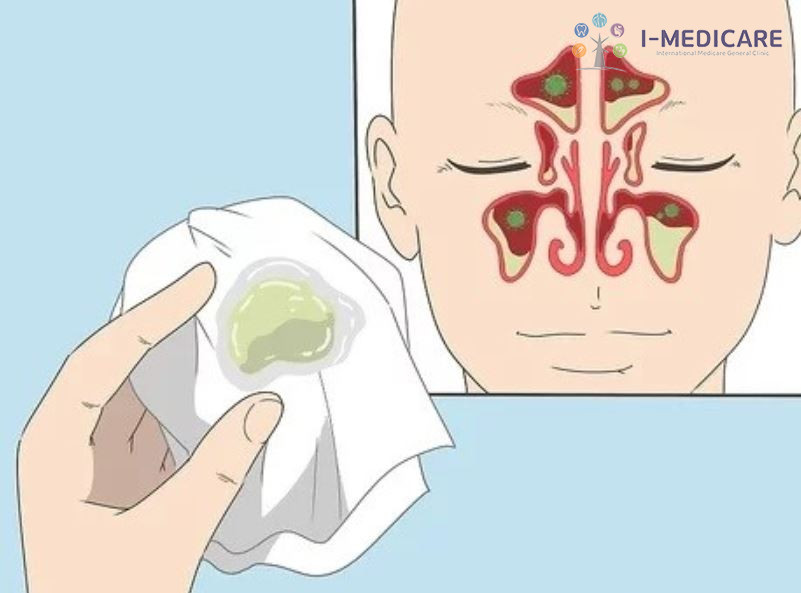
The sinuses are air-filled spaces around the nose that help produce mucus and support normal nasal function. When the nasal passages and sinuses become inflamed, mucus drainage may change, making secretions more noticeable at the back of the throat.
Chronic sinusitis is a condition in which inflammation of the nose and sinuses persists for at least 12 weeks. It may cause symptoms such as:
-
Nasal congestion or blockage
-
Thick nasal discharge
-
Reduced sense of smell
-
Facial pressure or discomfort
-
Mucus draining down the throat
-
Coughing or frequent throat clearing
Not everyone with chronic sinusitis experiences all these symptoms. Some people mainly notice congestion and drainage, while others experience facial pressure or a reduced sense of smell.
What may help?
Saline nasal sprays or rinses may help remove mucus and irritants from the nasal passages. If you use a nasal irrigation device, use distilled, sterile, or previously boiled and cooled water rather than untreated tap water.
Persistent symptoms may require evaluation by a healthcare professional. Depending on the cause, treatment may include nasal corticosteroids, allergy treatment, or other interventions.
Antibiotics are not necessary for every sinus problem because many cases are caused by viruses or noninfectious inflammation.
9. Asthma and Other Airway Conditions
Asthma is a long-term condition involving inflammation and narrowing of the airways. It can cause coughing, wheezing, chest tightness, and shortness of breath.