One of the reasons iron-related stains are so frustrating is that they may not appear all at once.
Instead, the process can happen gradually over many washing cycles.
Imagine washing a white towel in water containing a small amount of dissolved iron.
During the washing process, water penetrates the cotton fibers and carries dissolved minerals into the fabric.
As the towel is rinsed, dried, and used again, some of those minerals may remain behind.
The next time the towel is washed, additional iron may be introduced.
Over time, repeated exposure can result in accumulated deposits.
Eventually, oxidation and the concentration of these deposits may create visible orange or yellow-brown marks.
This is why replacing your detergent or purchasing a new washing machine may not solve the problem if the actual source is the household water supply.
Even expensive towels can develop the same stains when repeatedly washed in water containing iron.
5. Can Your Plumbing System Be Responsible?
Your water source is not always the only possible place where iron enters the laundry process.
Older plumbing systems may also contribute to discoloration.
Pipes, fittings, water heaters, and other components made from iron or steel can corrode over time.
When corrosion occurs, particles may enter the water and eventually reach your washing machine.
This can be especially noticeable when:
-
Your home has older metal plumbing.
-
Water sometimes appears reddish or brown after sitting in the pipes.
-
Rust-colored deposits appear around faucets.
-
The discoloration is more noticeable after plumbing maintenance.
-
Only certain taps seem to produce discolored water.
If you notice these signs, it may be worth having your plumbing system inspected.
You can also compare water from different taps to see whether the discoloration appears throughout the home or only in certain locations.
However, visible water discoloration should not be ignored. A qualified plumber or water-treatment professional can help determine whether corrosion or another water-quality issue is responsible.
6. Why Ordinary Laundry Detergent Often Cannot Remove Orange Stains
Many people assume that if a towel is stained, stronger detergent or a longer washing cycle should solve the problem.
Unfortunately, iron stains do not behave like ordinary dirt.
Regular laundry detergent is formulated primarily to remove substances such as body oils, food residue, sweat, and everyday soil.
Iron deposits are inorganic mineral contaminants, so they often require a different type of treatment.
A detergent may clean the surrounding fabric without effectively dissolving or removing the iron compounds responsible for the orange discoloration.
This is why towels sometimes come out smelling fresh and feeling clean while the rust-colored marks remain exactly where they were.
In some cases, repeatedly washing the towel with ordinary detergent may not improve the stain at all.
The solution is to identify the type of stain and choose a treatment designed for that particular problem.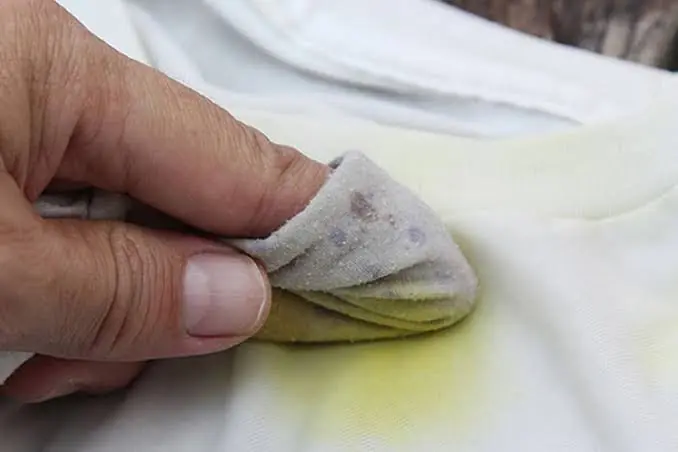
7. Why Chlorine Bleach Can Make Iron Stains Worse
This is one of the most important laundry mistakes to understand.
When people notice orange marks on white towels, their first instinct is often to reach for chlorine bleach.
After all, bleach is commonly used to whiten fabrics, remove stains, and disinfect laundry.
However, chlorine bleach is not an appropriate treatment for many iron-related stains.
Depending on the water chemistry and the compounds involved, chlorine-based products can promote further oxidation of dissolved iron or contribute to the formation of stubborn colored deposits.
As a result, the orange or brown discoloration may become more noticeable instead of disappearing.
This is why some people report that their white towels develop yellow-orange patches shortly after being bleached.
It is important to understand that bleach does not always make every iron stain worse, but it is not a reliable rust remover.
If you suspect iron staining, avoid experimenting with chlorine bleach.
Never mix chlorine bleach with vinegar, rust removers, ammonia, or other cleaning chemicals. Dangerous chemical reactions and toxic gases can occur.
Always follow the product label and use the correct treatment for the fabric and stain.
8. Personal Care Products Can Also Cause Orange or Yellow Stains
Iron in water is a common possible cause, but it is not the only explanation.
Certain personal care products can create discoloration that resembles rust.
One particularly important example is benzoyl peroxide.
Benzoyl peroxide is a common ingredient in acne treatments, including facial cleansers, gels, creams, and body washes.
Although it can be useful for treating acne, it is also a bleaching agent that can discolor fabrics.
It may create pale orange, yellow, or whitish patches on towels, pillowcases, clothing, and bedding.
Unlike iron deposits, benzoyl peroxide damage is often a loss of fabric color rather than a removable stain.
This means that washing or using a rust remover may not restore the original color.
Other products that may contribute to towel discoloration include:
-
Self-tanning lotions.
-
Certain sunscreens.
-
Makeup and cosmetic products.
-
Hair dyes and coloring treatments.
-
Some skincare formulations containing pigments or oxidizing ingredients.
If orange marks appear only where your face, hands, or body touch the towel, consider whether a personal care product may be responsible.