Body Types: Are You an Ectomorph, Mesomorph, or Endomorph? What Your Wrist and Fingers May Reveal
A simple wrist-and-finger test has become a popular way to guess your body type—but can the way your fingers wrap around your wrist really tell you how your body gains muscle, stores fat, or responds to exercise?
Look at your wrist for a moment. Wrap the thumb and middle finger of one hand around it. Do the fingers overlap, just touch, or remain apart? This small test is often presented online as a quick way to discover whether you are an ectomorph, mesomorph, or endomorph.
The idea is appealing because it seems to offer an easy explanation for something many people spend years trying to understand: why bodies look different, why some people appear to gain muscle more easily, and why weight changes can happen at different rates.
According to the traditional somatotype system, ectomorphs are usually described as naturally slender, mesomorphs as more muscular or athletic, and endomorphs as having a rounder build and a tendency to store more body fat. The wrist test is sometimes used as a rough visual shortcut to these categories.
But there is an important detail that often gets lost in viral fitness advice: the wrist-and-finger test cannot scientifically determine your metabolism, genetic potential, ideal diet, or best exercise program. The three body-type labels come from an older classification system, and modern fitness and health science recognizes that human bodies are much more complex.
That does not mean the subject is useless. Understanding body proportions, muscle development, fat distribution, training history, nutrition, and individual differences can help people make better fitness decisions. The key is to separate the useful questions from the oversimplified labels.
So what do ectomorph, mesomorph, and endomorph actually mean? How is the wrist test performed? Why do some people seem to gain muscle more easily than others? And, most importantly, should your supposed body type determine how you eat or train?
The answers begin with the three traditional categories—and then move beyond them to what really matters when building a healthy, strong body.
The Three Traditional Body Types Explained
The terms ectomorph, mesomorph, and endomorph are associated with the somatotype classification system. This system describes broad patterns of physical build and was developed in the twentieth century.
In popular fitness culture, the categories are often presented as three distinct body types. Each is associated with a particular appearance and a set of assumptions about muscle growth, fat storage, and athletic performance.
The descriptions can be useful as a starting point for discussing body proportions, but they should not be treated as fixed biological identities. Most people do not fit perfectly into one category, and their bodies can change significantly through age, nutrition, physical activity, illness, and other influences.
Ectomorph: The Traditionally Slender Build
An ectomorph is commonly described as having a naturally slim frame, relatively narrow shoulders and hips, and a lighter appearance.
People who identify with this category may feel that they struggle to gain weight or build visible muscle. Some may have long limbs, smaller joints, or a naturally lean appearance.
In traditional fitness descriptions, ectomorphs are often portrayed as people who burn through calories quickly and need to eat more to gain muscle. However, the idea that all slender people have unusually fast metabolisms is an oversimplification.
Body weight is influenced by many factors, including total food intake, physical activity, appetite, genetics, sleep, hormones, health conditions, and daily habits. A naturally slim person may eat less than they realize, move frequently throughout the day, or have a combination of traits that make maintaining a higher body weight difficult.
A slender build does not automatically mean that someone has a fast metabolism, nor does it mean that gaining strength is impossible.
Commonly associated characteristics include:
-
A relatively narrow or slender frame.
-
Less visible muscle mass without strength training.
-
Long-looking limbs in some individuals.
-
A tendency to remain lighter at a given height.
-
Difficulty gaining weight for some people.
These are general descriptions, not a checklist that determines a person's metabolism or fitness potential.
Mesomorph: The Traditionally Athletic Build
The mesomorph category is usually associated with a more muscular or athletic appearance.
People described as mesomorphic may have broader shoulders, a relatively defined waist, and a frame that appears naturally strong. In popular fitness writing, they are often portrayed as gaining muscle easily and responding quickly to resistance training.
This description can sound attractive because it suggests that some people have a natural advantage in building an athletic physique.
However, appearance alone does not reveal how efficiently someone builds muscle. A person may look muscular because of years of training, a particular body-fat distribution, skeletal proportions, or a combination of these factors.
Someone who appears athletic without much training may still need consistent exercise, adequate nutrition, and recovery to improve strength and fitness.
Commonly associated characteristics include:
-
A relatively muscular appearance.
-
Shoulders that appear broader in proportion to the waist.
-
A build that may look athletic.
-
Visible muscle development when regularly training.
-
A body shape influenced by both genetics and lifestyle.
The mesomorph label should not be interpreted as proof that someone will gain muscle easily or that they can ignore nutrition and recovery.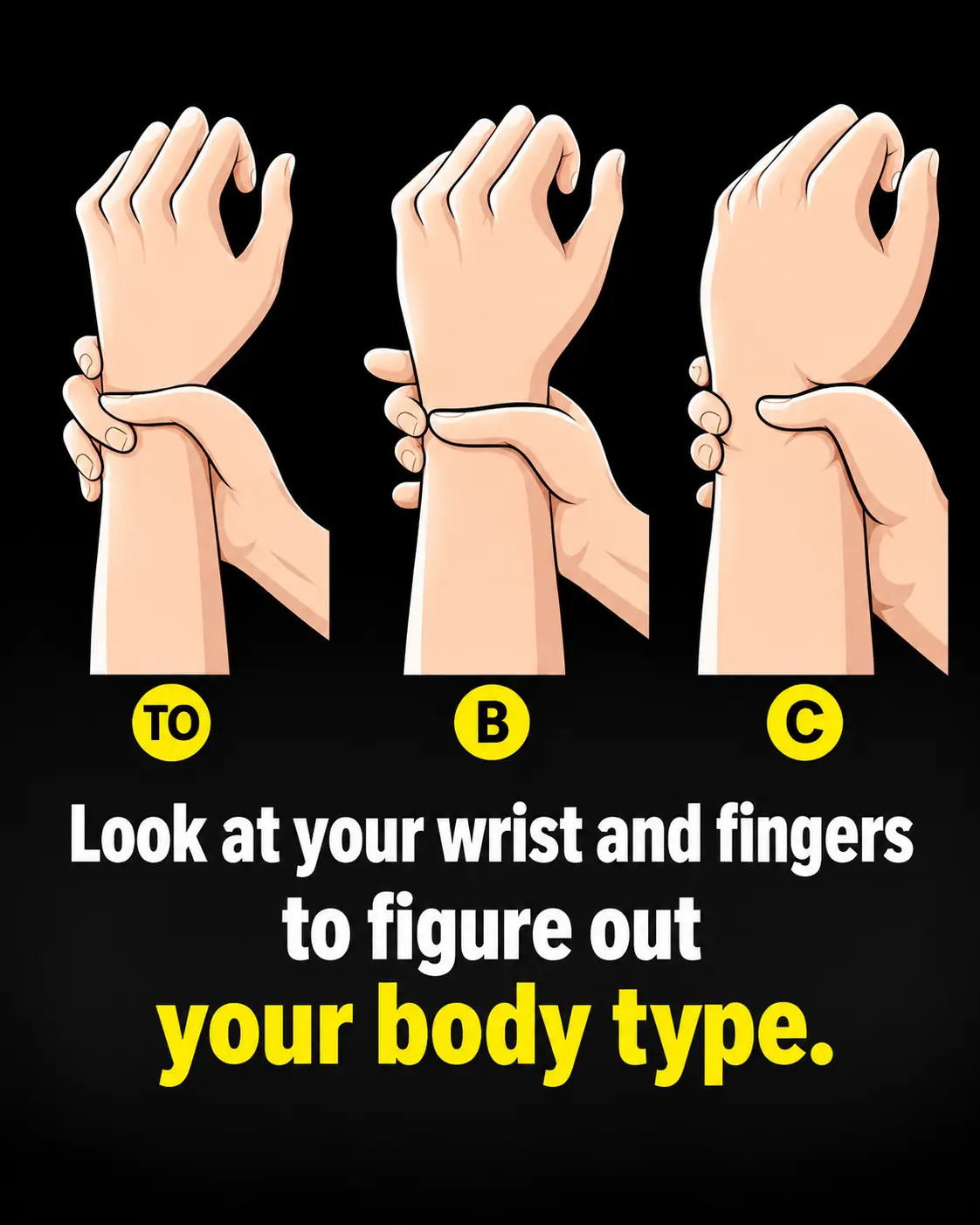
Endomorph: The Traditionally Rounder Build
The endomorph category is commonly associated with a rounder or softer body shape, a wider frame, and a greater tendency to carry body fat.
In popular fitness discussions, endomorphs are sometimes described as people who gain weight easily and have difficulty losing fat. This can lead to the mistaken belief that their metabolism is naturally slow or that they are destined to struggle with weight management.
That conclusion is not justified by body shape alone.
A person's weight and body composition are influenced by energy intake, activity, genetics, sleep, medication, health conditions, stress, and many other factors. Two people with similar body shapes may have very different health profiles and metabolic characteristics.
People with a naturally broader build can become stronger, improve cardiovascular fitness, and change their body composition through suitable training and nutrition. Their progress should be judged by individual needs and measurable outcomes rather than a label.