Resistance training is the central tool for developing muscle.
A beginner might start with two or three full-body sessions each week, allowing recovery time between demanding workouts.
Exercises can include:
-
Squats or supported squat variations.
-
Push-ups or chest presses.
-
Rows using a resistance band or weight.
-
Hip hinges or suitable deadlift variations.
-
Overhead presses.
-
Core exercises.
The most important factors are appropriate technique, consistency, gradual progression, and recovery.
There is no need to train every day or use extremely heavy weights from the beginning.
A person with a slender frame can build muscle through consistent resistance training. A person with a naturally broader frame can do the same. The starting point may differ, but the basic principles remain relevant to both.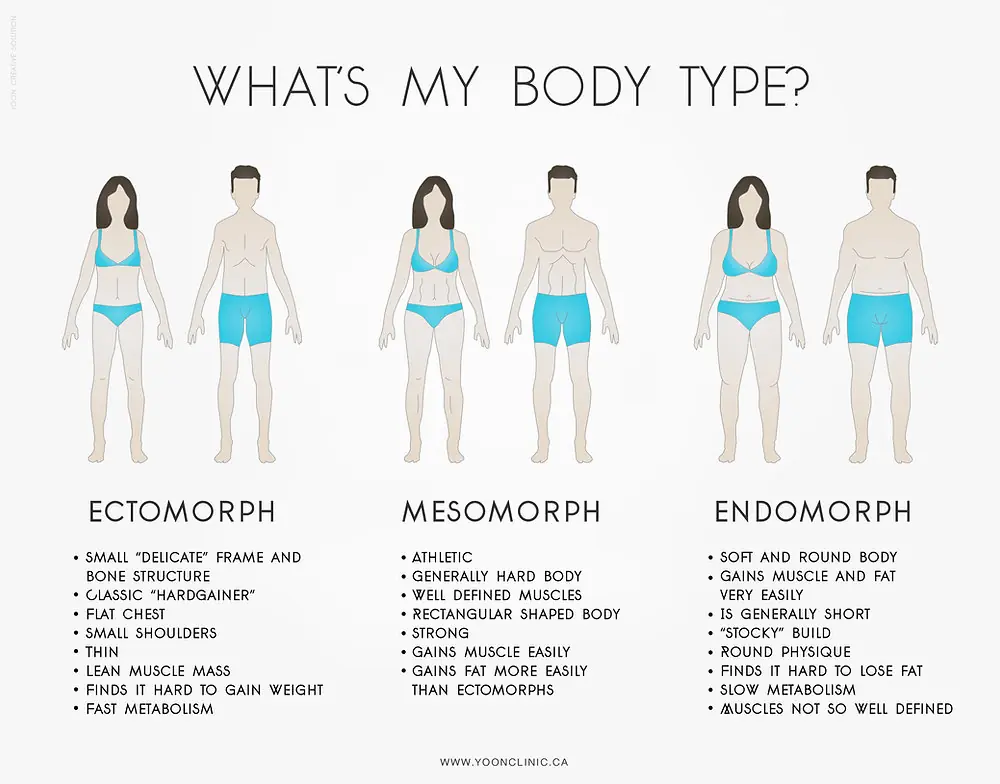
If You Want to Improve Cardiovascular Fitness
Cardiovascular exercise supports heart and lung health, endurance, and general physical capacity.
Options include:
-
Brisk walking.
-
Cycling.
-
Swimming.
-
Dancing.
-
Jogging.
-
Low-impact aerobic classes.
Beginners can start with manageable sessions and gradually increase duration or intensity.
The best activity is often one that a person enjoys enough to repeat. Someone who dislikes running may be more consistent with cycling or swimming.
Fitness should be built through sustainable habits rather than punishment.
If You Want to Improve Strength and Lose Fat
A combination of resistance training and cardiovascular activity can be useful.
Resistance training helps develop or maintain muscle, while aerobic activity supports cardiovascular fitness and energy expenditure.
A balanced weekly schedule might include:
-
Two or three resistance-training sessions.
-
Several walking or cycling sessions.
-
Regular daily movement.
-
Enough rest and sleep.
The exact schedule should reflect the person's experience and recovery capacity.
There is no universal requirement for an endomorph to do more cardio or for an ectomorph to avoid it. Training should be selected according to goals, ability, and health—not a wrist measurement.
Common Myths About the Three Body Types
The three somatotypes are widely discussed, but many claims attached to them are too simplistic.
Myth 1: Ectomorphs Cannot Build Muscle
This is false.
People with naturally slender builds can develop strength and muscle through appropriate resistance training, nutrition, and recovery.
They may need to pay particular attention to eating enough to support their goals, but a narrow frame does not prevent muscle development.
Myth 2: Mesomorphs Do Not Need to Work Hard
An athletic appearance does not remove the need for training.
Muscle and strength require ongoing stimulation and recovery. Even people who appear naturally muscular need appropriate exercise and nutrition to maintain their fitness.
Myth 3: Endomorphs Have a Permanently Slow Metabolism
A rounder body shape does not establish a person's metabolic rate.
Weight regulation involves many factors, including energy intake, activity, genetics, sleep, medication, stress, and health conditions.
It is not scientifically appropriate to diagnose a slow metabolism using the appearance of the wrist or body shape alone.
Myth 4: Your Body Type Determines Which Foods You Should Avoid
There is no reliable basis for saying that one somatotype must avoid carbohydrates, another must eat large amounts of fat, or another should follow a completely different set of food rules.
Nutritional needs depend on individual circumstances.
Carbohydrates can support exercise and provide energy. Protein supports tissue maintenance and muscle repair. Dietary fats have important biological functions.
A healthy eating pattern should provide adequate nutrients rather than follow rigid rules based on an assumed category.
Myth 5: The Wrist Test Reveals Your Genetic Potential
The wrist test cannot tell how much muscle you can eventually build, how quickly you will lose fat, or how successful you will be in a particular sport.
Those outcomes are influenced by many interacting factors.
A simple hand measurement cannot predict the future of someone's fitness journey.
A Practical Way to Understand Your Own Body
If you are curious about your body type, you can use the traditional wrist test as a fun introduction to the subject. Just remember that its result is not a diagnosis or a reliable fitness prescription.
A more useful personal assessment begins with a few questions.
What is your current goal? You may want to gain muscle, improve endurance, reduce excess body fat, increase strength, or simply feel more energetic.
What is your current activity level? Someone who has never exercised needs a different starting point from someone who has trained consistently for several years.
What does your daily routine look like? Work schedules, sleep, food access, family responsibilities, and stress can all influence the type of plan that is realistic.
Are there health considerations? Existing medical conditions, injuries, medication, and other individual factors may affect which activities and nutrition strategies are appropriate.
Can you maintain the plan? A routine that is too restrictive or demanding may work briefly but become difficult to sustain.
These questions help turn general fitness information into a practical approach.
If you have a medical condition, unexplained weight changes, persistent fatigue, or concerns about your nutrition, a qualified healthcare professional or registered dietitian can help assess the situation more accurately than an online body-type test.
The Bottom Line: Your Wrist Does Not Define Your Fitness Potential
The ectomorph, mesomorph, and endomorph categories remain popular because they provide a simple way to describe different body shapes.
A slender frame is traditionally associated with ectomorphy, a muscular or athletic appearance with mesomorphy, and a rounder build with endomorphy. The wrist-and-finger test shown in the supplied image is a familiar online shortcut that attempts to connect finger overlap with these categories.
But it cannot reliably identify your metabolism, determine your genetic potential, or tell you which diet and workout will work best.
Human bodies are more complex than three labels. Genetics, age, nutrition, physical activity, sleep, health, and life circumstances all influence body composition and fitness.
Instead of worrying about whether your fingers overlap or remain apart, focus on the things that can genuinely help you make progress: consistent movement, appropriate strength training, balanced nutrition, sufficient sleep, and realistic goals.
You do not need to fit a particular category to become stronger, improve your endurance, or build healthier habits.
Your body type may describe part of your appearance, but it does not decide what your body is capable of achieving.