This role should not become an informal authority over other people. Its purpose is to make communication easier and ensure that residents know where to turn when they have concerns.
Include people who are often overlooked
A neighborhood safety plan should consider everyone who lives there.
Older residents may need information in an accessible format. People who do not speak the dominant local language may need translated updates. Residents with disabilities may face particular difficulties during an emergency.
Parents may need clear information about school routes and public spaces. People who work late hours may have concerns about travelling after dark.
A plan that considers only the most vocal residents may overlook important needs.
Work with existing local organizations
Residents do not always need to create a new group from the beginning.
A local residents' association, community center, school, religious organization, or neighborhood committee may already have communication channels and relationships that can help.
Working with established groups can reduce duplication and make it easier to reach people who do not regularly use social media.
The National Crime Prevention Council recommends cooperation between neighborhood watch groups and law enforcement. It also emphasizes that these groups should remain focused on observation, reporting, and community awareness rather than attempting to perform police duties.
Keep safety efforts practical
A neighborhood can identify realistic improvements, such as:
-
Reporting broken streetlights.
-
Requesting repairs to damaged sidewalks.
-
Improving visibility around shared entrances.
-
Making sure residents know how to contact emergency services.
-
Establishing a reliable way to share official updates.
-
Encouraging children and older residents to identify safe places where they can ask for help.
-
Organizing occasional conversations with local safety professionals.
These steps are not guarantees against crime. They are practical measures that can make a community better prepared.
Avoid allowing fear to divide the neighborhood
After a frightening incident, residents may disagree about what should happen next.
Some may want more visible patrols. Others may prefer better lighting, more community activities, or additional information from authorities. Some may be concerned about privacy or the risk of unfairly targeting innocent people.
These disagreements do not have to weaken the community.
A productive discussion allows people to express concerns, consider evidence, and focus on practical solutions. It avoids blaming groups of people or treating every unfamiliar face as a threat.
A strong neighborhood is not one in which everyone thinks alike. It is one in which residents can work together despite their differences.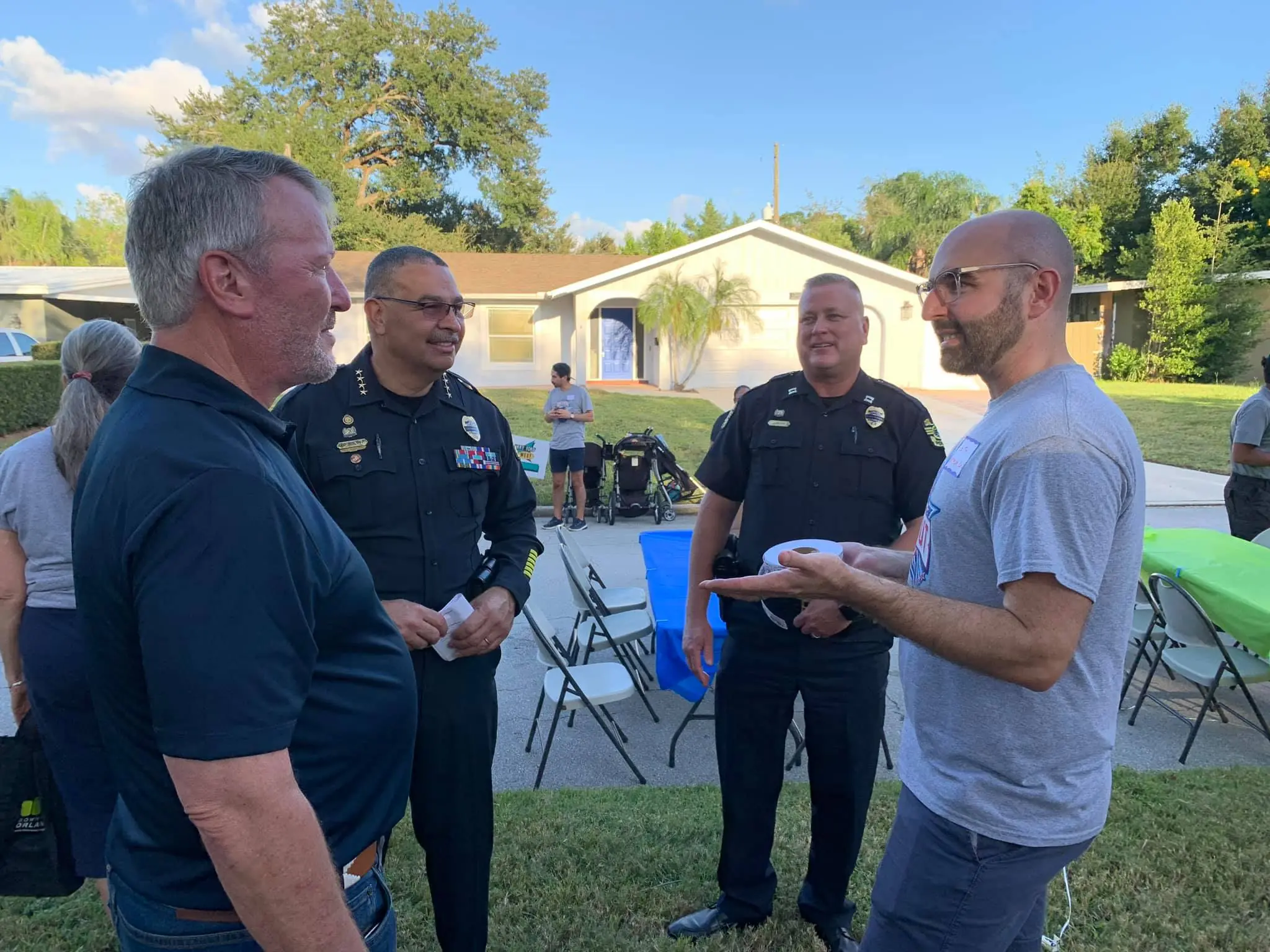
Chapter 9: The Lesson Behind the Warning—You Never Know When Something Like This Could Happen
The headline's warning is powerful because it touches a feeling that many people recognize: the belief that ordinary life is predictable can disappear in a moment.
A familiar street may look completely different after a frightening incident. A short video may cause people far away to reconsider their own routines. Parents may become more cautious, neighbors may begin communicating, and residents may realize how important it is to know where they can seek help.
But the message should not be that people must live in constant fear.
No community can eliminate every possible risk. Nor should residents be expected to monitor every movement or treat ordinary daily activity as suspicious.
A healthier lesson is that awareness, preparation, communication, and mutual support matter.
Safety begins with small, consistent habits
People can take reasonable precautions without changing their entire lives.
They can remain aware of their surroundings, choose routes that feel comfortable, keep communication devices accessible, and let trusted people know when they expect to arrive somewhere.
Families can establish simple check-in arrangements. Neighbors can exchange contact information if they are comfortable doing so. Residents can learn how to report an emergency and where to find reliable local information.
These habits are useful because they are practical. They do not depend on predicting exactly when or where something might happen.
Community strength is not the same as constant surveillance
Looking out for one another does not mean watching every person who enters the neighborhood.
It means recognizing when someone may need assistance, sharing reliable information, reporting credible concerns, and respecting people's privacy.
A community that relies on suspicion can become divided. A community that relies on communication and trust is better positioned to respond calmly when something unexpected happens.
Remembering the people affected
It is easy for a frightening video to become the center of attention. The number of views and comments may grow, while the people directly affected risk being forgotten.
The most important concerns should remain the safety and well-being of those involved, the accuracy of information, and the appropriate investigation of what happened.
Victims and witnesses deserve privacy and respect. Their experiences should not become material for speculation or entertainment.
A neighborhood's response can shape what happens next
The first reaction to a frightening incident may be shock. The second may be fear. But what follows can depend greatly on how people respond.
Residents can choose to spread rumors or share reliable information. They can isolate themselves or maintain respectful connections. They can attempt dangerous confrontations or leave professional investigations to the authorities.
They can allow the event to define the neighborhood, or they can use the experience to identify practical improvements.
None of these choices changes what has already happened. But they can influence how people live together afterward.
Final Thoughts: A Frightening Reminder, and a Reason to Look Out for One Another
The story presented in the supplied image describes an ordinary evening interrupted by a sudden ambush, footage that spread quickly, and residents whose sense of safety was shaken.
It also describes what happened afterward: parents began accompanying children, neighbors exchanged warnings, people shared rides, and residents paid closer attention to one another.
The exact circumstances of the incident cannot be established from the image alone. The location, identities, injuries, motive, and official investigation details remain unspecified. Those facts should come from reliable reporting and relevant authorities, not assumptions.
Yet the broader message is clear.
A neighborhood is more than a collection of houses and streets. It is made up of people who share public spaces, daily routines, concerns, and responsibilities. When something frightening happens, those connections can become especially important.
Being alert does not mean being afraid of everyone. Helping one another does not mean taking the law into one's own hands. And staying informed does not mean believing every video or message shared online.
The most constructive response combines common sense with compassion: protect yourself, check on people who may need support, report genuine concerns, respect privacy, and rely on verified information.
Because although no one can predict every unexpected event, a community can decide how it responds when one occurs.
Sometimes the most meaningful change after a frightening evening is not simply that people become more cautious. It is that neighbors who once passed one another without speaking begin to recognize that they are not facing uncertainty alone.