Why Your Body Suddenly Jerks While Falling Asleep — And What It’s Really Telling You
Have you ever been just about to drift off… and then BOOM — your body jerks suddenly, like you’re falling? Maybe your legs kick, your arms twitch, or your whole body jumps for no reason. It feels weird, sometimes even scary.
But here’s the deal: this is actually super common — and in most cases, completely harmless.
Let’s break it down properly so you know exactly what’s going on.
What Is That Sudden Jerk?


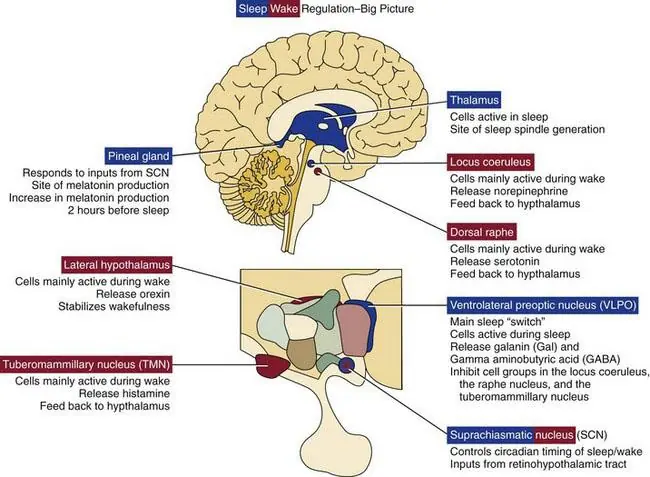
6
That sudden movement is called a hypnic jerk (also known as a sleep start).
It usually happens right when your body is transitioning from being awake to asleep.
What it feels like:
- A sudden muscle twitch
- Feeling like you’re falling
- A quick shock or jolt
- Sometimes paired with a vivid dream
If this sounds familiar, congrats — you’re normal.
Why Does It Happen? (The Real Science)
Your body doesn’t just “switch off” instantly when you sleep. It goes through a gradual shutdown process:
- Heart rate slows down
- Breathing becomes steady
- Muscles start to relax
But sometimes, your brain gets confused during this transition.
👉 It may misinterpret muscle relaxation as you falling or losing control
👉 So it sends a sudden signal to your muscles
👉 Result: a quick jerk to “catch yourself”
Basically, your brain is overreacting for a split second.
Top Triggers That Make It Worse



6
While hypnic jerks are normal, certain habits can make them happen more often or more intensely:
1. Stress & Anxiety
If your brain is still racing at night, your body struggles to fully relax.
2. Too Much Caffeine
Coffee, energy drinks, even tea — especially in the evening — can overstimulate your nervous system.
3. Sleep Deprivation
Ironically, being too tired can make these jerks happen more.
4. Late-Night Screen Time
Blue light messes with your sleep cycle, making the transition into sleep less smooth.
Is It Dangerous?



6
Short answer: No — in most cases, it’s totally harmless.
Hypnic jerks are not a disease, not a disorder, and not something to panic about.
However, there are rare cases where you should pay attention.
See a doctor if:
- The jerks happen very frequently every night
- They wake you up repeatedly
- You experience pain, seizures, or confusion
- Your sleep quality is seriously affected
Otherwise? It’s just your body being a little dramatic.
How To Reduce These Night Jerks



5
If those sudden jolts annoy you, here’s how to calm things down:
✔ Fix your sleep routine
Go to bed at the same time every night — your brain loves consistency.
✔ Cut caffeine after afternoon
Trust me, your 10PM coffee is not helping.
✔ Chill your mind before bed
Try reading, meditation, or just putting your phone down earlier.
✔ Create a sleep-friendly environment
Dark room, quiet space, comfortable bed — simple but effective.
The Bottom Line
That sudden jerk before sleep isn’t your body breaking — it’s your brain misfiring for a split second.
It might feel intense, but it’s actually:
- Common
- Natural
- Usually harmless
So next time it happens, don’t freak out.
Just think:
“My brain just hit the panic button for no reason again.”
And go back to sleep 😴
Why Your Body Suddenly Jerks While Falling Asleep: More Facts About Sleep Starts, Brain Activity, and Healthy Sleep
1. What Happens Inside Your Brain During the First Moments of Sleep?
Falling asleep may seem like a simple process, but the brain undergoes a surprisingly complex series of changes.
When you are awake, different brain networks help you remain alert, process information, respond to your surroundings, and control voluntary movement.
As bedtime approaches, the brain gradually shifts toward a different state. Your awareness of the environment decreases, your thoughts may become less organized, and your muscles begin to relax.
This transition is not always perfectly smooth.
During the early stages of sleep, certain areas of the nervous system may still show brief bursts of activity even as other systems begin slowing down. These changes can sometimes coincide with a sudden muscle contraction known as a hypnic jerk.
Researchers have studied this phenomenon for many years, but its exact mechanism is not completely understood.
One important point is that a hypnic jerk does not necessarily mean that the brain has detected a real danger. It is better understood as a brief, involuntary movement associated with the transition between wakefulness and sleep.
This helps explain why the movement can occur without any conscious decision.
You may be lying comfortably in bed, feeling completely relaxed, when one leg suddenly kicks or your entire body jumps. The movement may wake you briefly, but you usually return to sleep without any lasting problem.
2. Why Does the Falling Sensation Feel So Real?
One of the most interesting aspects of hypnic jerks is the sensation that accompanies them.