Up to 3 Months Before a Heart Attack, the Body May Show 5 Important Warning Signs
Heart attacks often seem sudden, but in many cases the body begins sending subtle warning signals weeks or even months beforehand. These early symptoms are sometimes mild or mistaken for everyday fatigue, stress, or digestive problems. Because of this, many people ignore them until a serious cardiac event occurs.
The heart is responsible for pumping oxygen-rich blood throughout the body. When the arteries supplying the heart become narrowed or partially blocked, the heart muscle may struggle to receive enough oxygen. This reduced blood flow can trigger early symptoms long before a full heart attack develops.
Recognizing these warning signs early may help people seek medical advice sooner and potentially reduce the risk of severe heart damage.
Below are five warning signs that may appear weeks or even months before a heart attack.
1. Chest Discomfort or Pressure


One of the most common early symptoms associated with heart problems is chest discomfort or pressure.
This sensation may feel like:
-
Tightness in the chest
-
Pressure or squeezing pain
-
A heavy feeling in the chest area
Unlike the intense pain of a heart attack, early symptoms may come and go. The discomfort might appear during physical activity, emotional stress, or even while resting.
Any repeated chest pressure or unexplained discomfort should be evaluated by a healthcare professional.
2. Unusual Fatigue


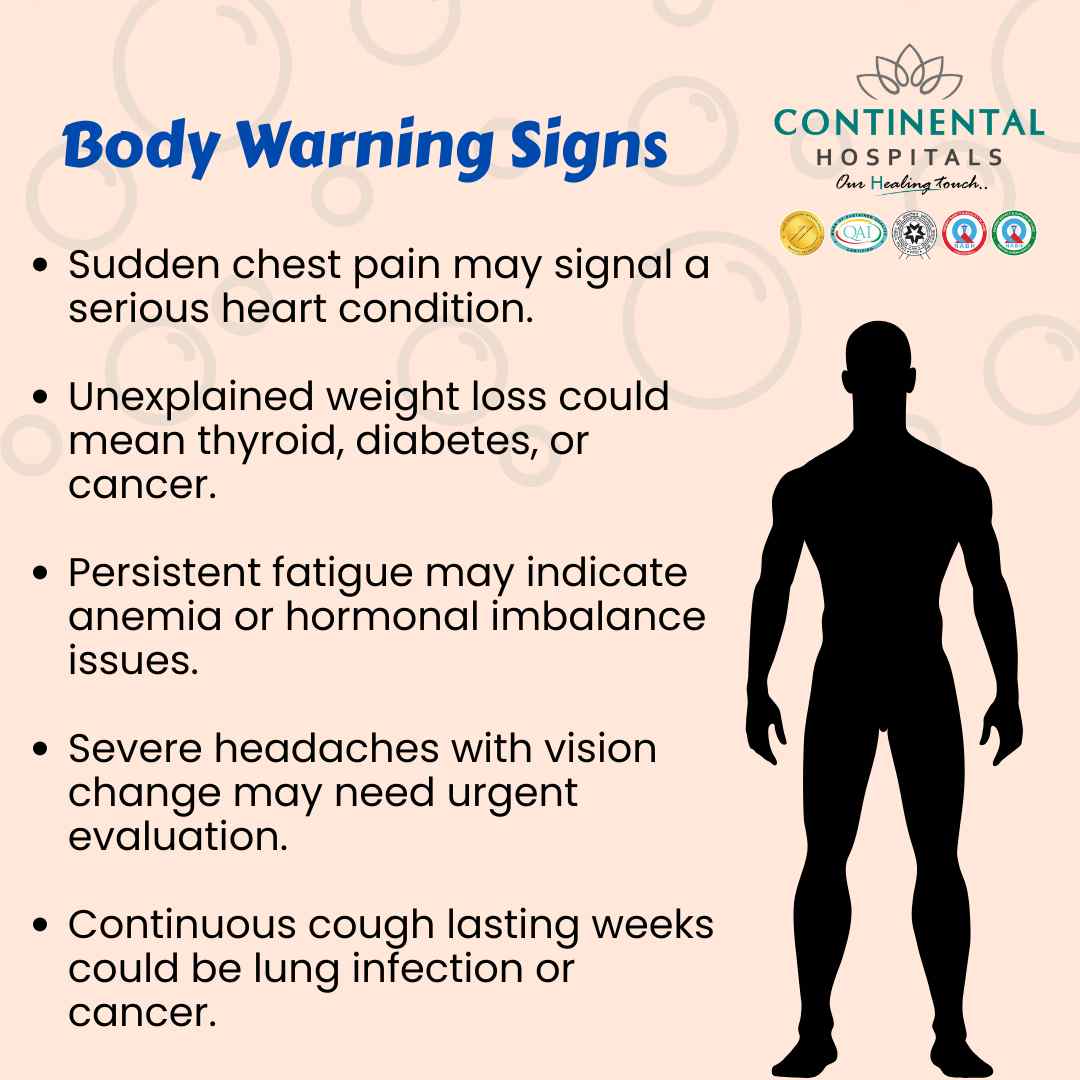
Persistent fatigue is another warning sign that may appear weeks before a heart attack, particularly in women.
People may notice:
-
Feeling unusually tired after normal activities
-
Sudden exhaustion without clear cause
-
Difficulty completing daily tasks
This fatigue occurs because the heart may struggle to pump enough blood to meet the body’s energy needs.
3. Shortness of Breath
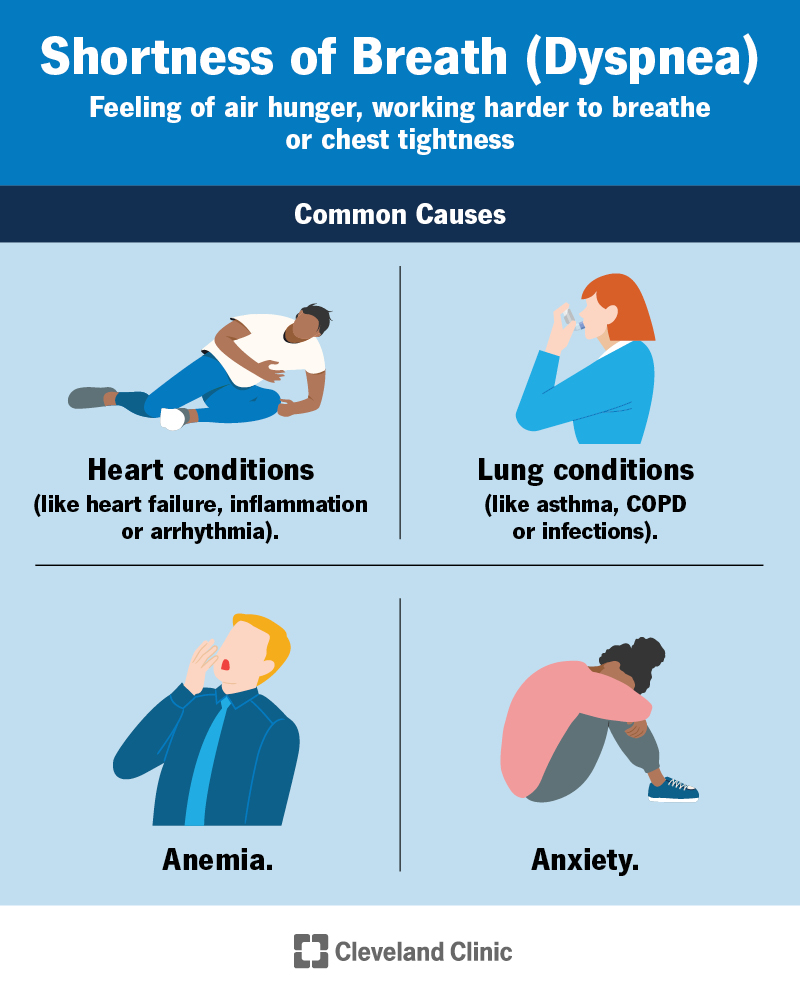


Shortness of breath can occur when the heart cannot pump blood efficiently. This may cause fluid buildup in the lungs, making breathing more difficult.
Symptoms may include:
-
Difficulty breathing during mild activity
-
Feeling breathless when lying down
-
Sudden breathlessness without exertion
In some cases, shortness of breath may appear even without chest pain.
4. Pain in the Neck, Jaw, Back, or Arms


Heart-related pain does not always remain in the chest. It may radiate to other areas of the body, including:
-
The left arm
-
The jaw
-
The neck
-
The upper back or shoulders
This occurs because nerves connected to the heart also send signals to these regions.
Pain may start gradually and feel dull or aching rather than sharp.
5. Swelling in the Feet or Ankles


Swelling in the lower legs, ankles, or feet can sometimes indicate circulation problems related to heart function.
When the heart cannot pump efficiently, fluid may accumulate in the lower parts of the body, leading to swelling.
Signs may include:
-
Puffy ankles or feet
-
Shoes feeling tighter than usual
-
Swelling that worsens during the day
Although swelling can also occur for many other reasons, persistent or unexplained swelling should be checked by a doctor.
Who Is at Higher Risk for a Heart Attack?
Several factors increase the likelihood of heart disease, including:
-
High blood pressure
-
Smoking
-
High cholesterol
-
Diabetes
-
Obesity
-
Sedentary lifestyle
-
Family history of heart disease
Managing these risk factors through lifestyle changes and medical care can significantly reduce the risk of heart attacks.
When to Seek Immediate Medical Help
A heart attack is a medical emergency. Immediate help should be sought if symptoms include:
-
Severe chest pain or pressure
-
Pain spreading to the arm or jaw
-
Shortness of breath
-
Cold sweats or dizziness
-
Nausea or vomiting
Early treatment can help restore blood flow to the heart and reduce permanent damage.
Final Thoughts
The body often sends warning signals before a major health event such as a heart attack. Symptoms like persistent fatigue, chest discomfort, breathing difficulty, unusual pain, or swelling in the legs may appear weeks or months in advance.
Although these symptoms can also occur with other conditions, they should not be ignored when they appear repeatedly or worsen over time.
Listening to the body and seeking medical advice early can play a crucial role in protecting heart health and preventing serious complications.