Sometimes, the clues may appear on the skin.
A patch of unusually dark skin around the neck, small growths appearing in skin folds, persistent itching, recurring fungal infections, or wounds that seem to take forever to heal may look like ordinary dermatological problems. Many people dismiss these changes as signs of aging, irritation, poor hygiene, or simply sensitive skin.
However, certain skin conditions are more common among people with diabetes, particularly when blood glucose levels remain elevated over time.
The connection is not always obvious. High blood sugar can affect circulation, immune function, nerve health, and the body's ability to repair damaged tissue. These changes may influence the skin in several different ways, sometimes creating visible symptoms that deserve medical attention.
There is an important distinction, though: none of these skin signs can independently confirm that someone has diabetes. Many also occur in people without diabetes, and some have completely unrelated causes.
Nevertheless, recognizing unusual or persistent skin changes can be an opportunity to investigate a possible underlying health problem.
Below are 15 skin signs that may be associated with diabetes, why they happen, and when it may be worth speaking with a healthcare professional.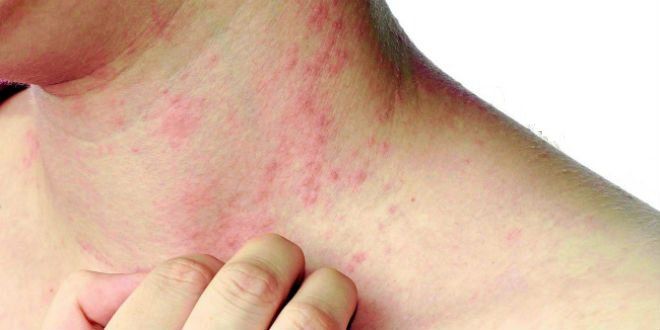
1. Dark, Velvety Skin Around the Neck
One of the most recognizable skin conditions associated with insulin resistance is called acanthosis nigricans.
It often appears as darker, thicker, velvety-looking skin around the back of the neck. The same changes can occur in the armpits, groin, elbows, or other areas where skin naturally folds.
At first, the discoloration may appear relatively subtle. Someone might assume the area has become dirty, tanned, or darker because of friction. Scrubbing, however, generally does not remove the discoloration because it is not simply dirt sitting on the surface.
Over time, the affected skin may become more noticeable, with a slightly raised or thickened texture.
Why can this happen?
Acanthosis nigricans is frequently associated with insulin resistance.
Insulin is a hormone that helps glucose move from the bloodstream into cells. When the body becomes less responsive to insulin, the pancreas may produce more of it to compensate.
Higher insulin levels may stimulate certain skin cells to grow and multiply, contributing to the characteristic thickened appearance.
This condition is particularly important because insulin resistance is strongly associated with an increased risk of developing type 2 diabetes.
However, acanthosis nigricans does not automatically mean someone has diabetes. It can also be associated with obesity, hormonal conditions, certain medications, and, rarely, other underlying diseases.
If you notice new, unexplained darkening or thickening around your neck or other skin folds, consider discussing it with a healthcare professional. A blood glucose test and an assessment of metabolic risk factors may be appropriate.
2. Small Skin Tags Around the Neck and Armpits
Have you noticed tiny, soft growths appearing around your neck, underarms, or beneath your breasts?
These are commonly known as skin tags, or acrochordons.
Skin tags are usually small, soft, flesh-colored or slightly darker growths that hang from the skin. They are generally harmless and may become more noticeable with age.
They frequently develop in areas where skin rubs against skin or clothing, which explains why they are commonly found around the neck, armpits, and groin.
Although most skin tags are not medically concerning, multiple skin tags have been associated with insulin resistance and metabolic conditions.
What is the connection?
Insulin resistance may influence growth-related pathways in the skin. This could help explain why skin tags are observed more frequently in some people with insulin resistance or type 2 diabetes.
However, skin tags are extremely common and can occur in otherwise healthy individuals.
Having one or two skin tags does not mean you have diabetes. Even having several does not establish a diagnosis.
The more useful question is whether they are appearing alongside other risk factors, such as excess abdominal weight, high blood pressure, a family history of type 2 diabetes, or acanthosis nigricans.
If numerous new skin tags appear, particularly together with other metabolic risk factors, discussing diabetes screening with a healthcare professional may be worthwhile.
Avoid cutting or pulling skin tags off at home. A dermatologist can confirm that a growth is a skin tag and remove it safely if it causes irritation or discomfort.
3. Persistent Itching Without an Obvious Cause
Occasional itching is normal. Dry weather, soaps, detergents, insect bites, and allergic reactions can all make the skin uncomfortable.
But persistent itching that repeatedly returns without an obvious explanation deserves attention.
Some people with diabetes experience generalized itching or itching concentrated around the lower legs, feet, or other areas.
Why might elevated blood sugar affect the skin?
Several factors may contribute.
High blood glucose can promote fluid loss through increased urination, potentially contributing to dehydration and dry skin. Diabetes can also affect small blood vessels and nerves, which may influence normal skin function and sensation.
In addition, people with diabetes may be more vulnerable to certain fungal and bacterial infections, which can cause localized itching.
The sensation may be particularly troublesome at night or after bathing, especially when the skin is already dry.
What should you look for?
Pay attention to itching accompanied by:
-
Dry or flaky skin.
-
Redness or irritation.
-
Cracking around the feet or heels.
-
Recurrent fungal infections.
-
Unusual skin discoloration.
-
Slow-healing scratches or sores.