A healthcare professional may recommend blood tests to assess glucose levels.
Which Tests Can Help Detect Diabetes?
Skin changes may prompt someone to seek medical attention, but laboratory testing is needed to diagnose diabetes.
Two commonly used tests are the A1C test and fasting plasma glucose test.
The A1C test
The A1C test estimates average blood glucose over approximately the previous two to three months.
It does not require fasting.
Common diagnostic thresholds for nonpregnant adults are:
-
Below 5.7%: Generally considered normal.
-
5.7% to 6.4%: In the prediabetes range.
-
6.5% or higher: In the diabetes range.
In the absence of unequivocal symptoms of hyperglycemia, an abnormal result generally requires confirmation with repeat testing or another diagnostic test.
Certain conditions can affect the accuracy of A1C results, so clinicians may use other tests when appropriate.
The fasting blood glucose test
This test measures blood glucose after at least eight hours without food or caloric drinks.
Common diagnostic thresholds are:
-
Below 100 mg/dL: Generally considered normal.
-
100 to 125 mg/dL: In the prediabetes range.
-
126 mg/dL or higher: In the diabetes range.
An abnormal result generally needs confirmation unless the clinical circumstances clearly establish the diagnosis.
Why early testing matters
Type 2 diabetes can develop gradually.
Some people experience few obvious symptoms for years, meaning that elevated blood glucose may remain undetected.
Identifying diabetes early can help people begin appropriate treatment and reduce the risk of complications affecting the eyes, kidneys, nerves, heart, and blood vessels.
If you have risk factors or persistent unexplained symptoms, discuss appropriate screening with your healthcare professional.
When Should You See a Doctor About Skin Changes?
Not every rash, dark patch, or skin tag requires urgent medical attention.
However, certain changes should not be ignored.
Arrange a medical assessment if you notice:
-
New dark, thickened patches around the neck or armpits.
-
Repeated fungal or bacterial infections.
-
Unexplained itching that does not improve.
-
Wounds that heal unusually slowly.
-
New blisters without an obvious cause.
-
Yellowish bumps appearing suddenly on the skin.
-
Persistent changes in the color or texture of the lower legs.
-
Recurrent foot cracks, calluses, or sores.
Seek urgent medical care if you develop spreading redness, fever, rapidly increasing swelling, severe pain, pus, or a wound that appears infected.
For people already diagnosed with diabetes, a new foot wound should be assessed promptly, even if it does not hurt.
The absence of pain does not always mean the absence of serious damage.
Can Improving Blood Sugar Help Your Skin?
In many cases, maintaining blood glucose within an individualized target range can support better overall skin health.
Improved glucose management may help reduce the likelihood of certain infections and support normal wound healing.
However, the effect depends on the specific skin condition.
For example, some cases of acanthosis nigricans may improve when the underlying insulin resistance is addressed, while other skin conditions may require separate dermatological treatment.
Diabetic dermopathy may persist even when glucose control improves. Necrobiosis lipoidica may also require specialized treatment.
This is why it is important not to assume that every skin problem will disappear once blood sugar levels improve.
A complete treatment plan may involve diabetes management, wound care, infection treatment, medication, and specialist dermatological care.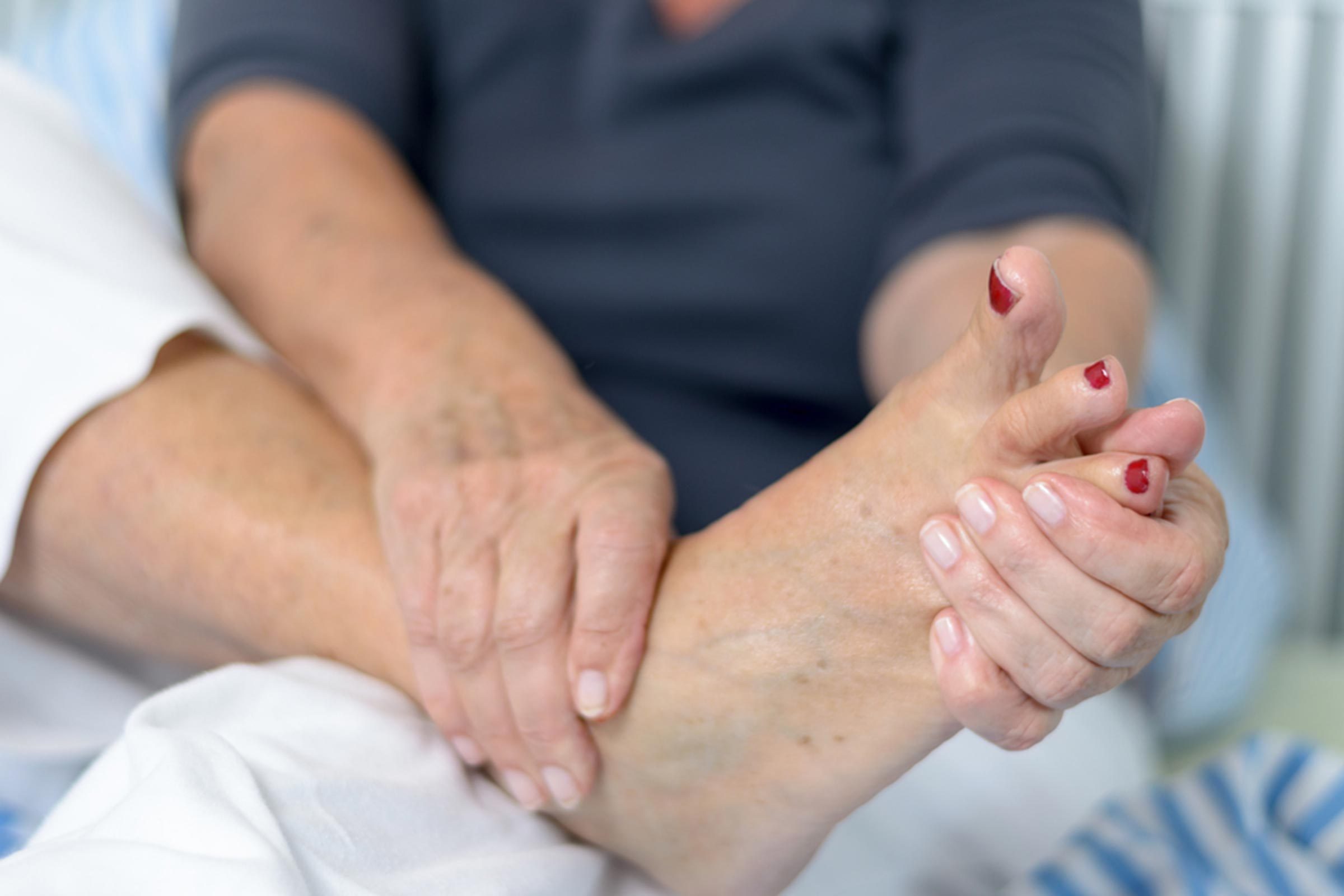
Simple Daily Habits That Can Help Protect Your Skin
People with diabetes or those at increased risk can take practical steps to support skin health.
Keep your skin clean and moisturized. Use gentle cleansers and fragrance-free moisturizers to help maintain the skin barrier.
Check your feet every day. Look at the soles, heels, spaces between the toes, and areas that experience pressure.
Wear comfortable footwear. Shoes should fit properly and should not create repeated friction or pressure.
Avoid scratching irritated areas. Scratching can damage the skin and increase the risk of infection.
Treat small injuries promptly. Clean minor wounds appropriately and monitor them for signs of infection.
Avoid removing skin growths yourself. Skin tags, calluses, and unusual bumps should be assessed before attempting removal.
Attend recommended health checks. Regular blood glucose monitoring and medical follow-up can help identify problems before they become more serious.
These habits are useful, but they do not replace professional treatment when a skin condition is persistent, worsening, or infected.
Final Thoughts: Your Skin May Be Offering Clues Worth Paying Attention To
Skin changes are easy to overlook.
A darker patch around the neck may seem like an ordinary discoloration. A few small skin tags may appear harmless. Persistent itching may be blamed on dry weather, while recurring infections may be treated as isolated problems.
In many cases, these explanations may be correct.
But certain skin conditions occur more frequently in people with insulin resistance or diabetes, and recognizing them can sometimes lead to earlier medical evaluation.
The 15 signs discussed in this article—from acanthosis nigricans and skin tags to slow-healing wounds, diabetic dermopathy, unusual blisters, and foot changes—illustrate how closely skin health can be connected to overall metabolic health.
The important thing is not to become frightened by every unusual mark.
Instead, pay attention to changes that are new, persistent, recurring, or accompanied by other symptoms. If something does not seem right, ask a healthcare professional to evaluate it.
A simple blood test may help clarify whether blood glucose is within the normal range or whether further investigation is needed.
Your skin cannot diagnose diabetes, but sometimes it can provide a reason to look more closely at your health.
Recognizing a possible warning sign, asking the right questions, and seeking appropriate testing can be valuable steps toward protecting your long-term health.