Have you ever looked down at your arm or hand and suddenly noticed a few tiny red dots that weren't there before?
They may be barely noticeable. Some look like tiny pinpoints, while others are slightly raised, bright red, or clustered together. You might not feel anything at all. No itching. No pain. No swelling.
It is easy to ignore them.
And in many cases, there is no reason to panic. Tiny red spots on the skin are very common and can have many harmless explanations. They may be caused by normal changes in small blood vessels, minor irritation, insect bites, heat, or temporary inflammation.
However, certain types of red spots can sometimes provide clues about an underlying condition—particularly when they appear suddenly, spread quickly, do not fade when pressed, or occur alongside other symptoms.
The key is learning how to recognize the differences.
Here are some of the most common possibilities behind tiny red dots on your arms or hands and when they may deserve closer attention.
1. Cherry Angiomas: Common Bright-Red Spots That Often Aren't Dangerous
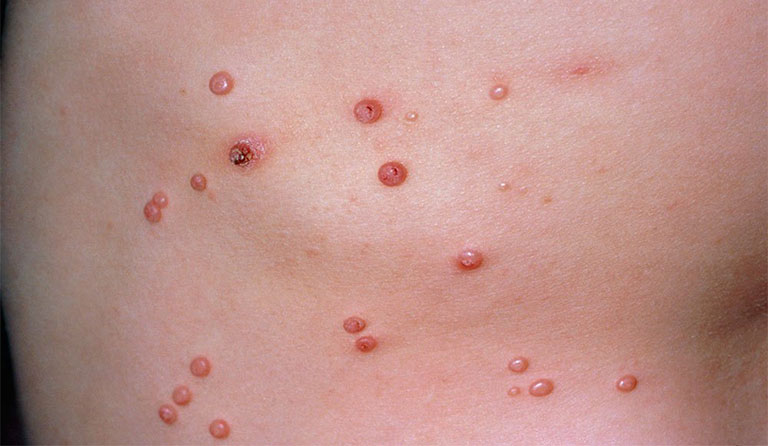
One of the most common explanations for small, bright-red spots on the skin is a cherry angioma.
These are small growths made up of clusters of tiny blood vessels near the surface of the skin.
They may appear as:
-
Bright red dots
-
Round or oval spots
-
Smooth or slightly raised bumps
-
Tiny marks ranging from pinpoint size to several millimeters
-
Spots that become more noticeable over time
Cherry angiomas can appear almost anywhere, including the arms, hands, chest, back, and torso.
They become increasingly common with age, although younger adults can develop them as well.
A person may have only one or two, while another person may develop dozens over the years.
Most cherry angiomas are harmless and do not require treatment.
Why do they appear?
The exact reason some people develop them is not always clear. Age and genetics appear to play a role.
They can also change gradually over time.
A cherry angioma may occasionally bleed if it is scratched, rubbed, or injured.
That does not necessarily mean it has become dangerous.
However, if a spot is changing rapidly, repeatedly bleeding without obvious trauma, or looks substantially different from your other spots, having it examined is sensible.
2. Petechiae: Tiny Red or Purple Pinpoints Under the Skin
Another possibility is petechiae.
Petechiae are tiny spots caused by small amounts of bleeding from tiny blood vessels beneath the skin.
Unlike many ordinary rashes, petechiae typically do not fade or turn pale when you press on them.
They can look:
-
Red
-
Purple
-
Brownish-red
-
Pinpoint-sized
-
Scattered
-
Clustered in groups
They can occur after things that increase pressure in small blood vessels, such as intense coughing, vomiting, heavy lifting, or straining.
But petechiae can also occur for other reasons, including certain infections, medications, platelet abnormalities, or problems affecting blood clotting.
That is why context matters.
A few isolated spots after significant physical strain may have a very different explanation from hundreds of new spots appearing suddenly across the body.
If petechiae appear suddenly and extensively—or occur alongside fever, unusual bruising, bleeding, weakness, or feeling seriously unwell—medical evaluation should not be delayed.
3. Minor Skin Irritation Can Create Small Red Spots
Sometimes the explanation is much simpler.
Your skin may become irritated by something it has recently encountered.
Possible triggers include:
-
New soaps
-
Hand sanitizers
-
Laundry detergents
-
Cleaning products
-
Cosmetics
-
Fragrances
-
Certain fabrics
-
Adhesive materials
-
Frequent hand washing
-
Friction
-
Sweat
Irritant contact dermatitis can cause redness, small bumps, dryness, burning, itching, or peeling.
For example, someone who repeatedly washes their hands or uses alcohol-based sanitizer may develop irritation on the hands and wrists.
The pattern can provide clues.
If the red dots appear exactly where a new product touches your skin, irritation becomes more plausible.
Stopping the suspected irritant and allowing the skin barrier to recover may help.
However, if the rash continues despite removing the suspected trigger, becomes painful, spreads, blisters, or is accompanied by systemic symptoms, professional evaluation may be appropriate.
4. Allergic Reactions Can Also Produce Red Spots
An allergic skin reaction may cause red spots, patches, bumps, or welts.
Unlike cherry angiomas, allergic rashes are often itchy.
You may notice:
-
Redness
-
Itching
-
Raised bumps
-
Swelling
-
Hives
-
Burning or warmth
Potential triggers include foods, medications, cosmetics, plants, insect bites, latex, and other substances.
Some allergic reactions are mild and temporary.
Others can become serious.
If a rash occurs together with swelling of the lips, tongue, or throat; difficulty breathing; wheezing; faintness; or widespread hives, seek emergency medical care immediately.
5. Insect Bites Can Look Like Tiny Red Dots
Not every red spot is caused by a medical condition.
Sometimes the culprit is simply an insect.
Mosquitoes, fleas, bedbugs, mites, and other insects can produce small red bumps.
Insect bites often have some combination of:
-
Itching
-
Localized swelling
-
A central puncture mark
-
Several spots appearing close together
-
New spots appearing after sleeping or spending time outdoors
The distribution can sometimes provide clues.
For example, bites may appear on exposed areas such as the arms, hands, ankles, or legs.
However, appearance alone cannot reliably identify the insect.
If you repeatedly develop new unexplained bites, check your sleeping environment, pets, clothing, and outdoor exposure rather than assuming the spots are a medical disorder.
6. Heat and Sweating May Trigger Tiny Red Bumps
Hot weather can also affect the skin.
When sweat ducts become blocked, a condition commonly called heat rash can develop.
It may appear as:
-
Tiny red bumps
-
Small clusters
-
Itchy or prickly areas
-
Redness in sweaty areas
Heat rash is particularly common in hot and humid conditions.
It may improve when the skin is kept cool, dry, and exposed to less friction.
Loose clothing and avoiding excessive heat can help prevent recurrence.
If a rash persists after the heat exposure has ended or develops unusual features, another explanation may need to be considered.
7. Folliculitis Can Cause Small Red Bumps Around Hair Follicles
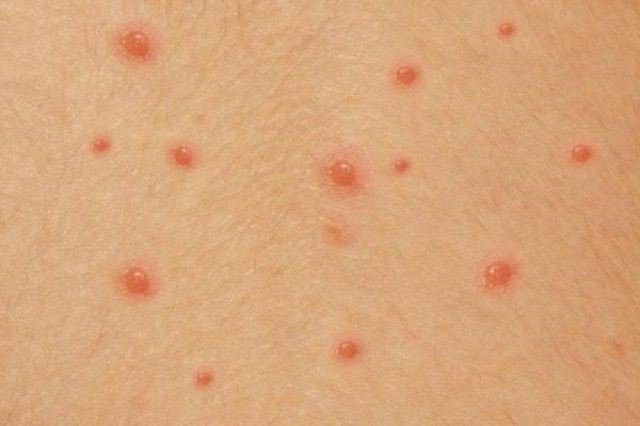
If the red dots seem to be centered around individual hairs, folliculitis may be another possibility.
Folliculitis occurs when hair follicles become inflamed.
The bumps may resemble small pimples and can sometimes contain pus.
Potential triggers include:
-
Shaving
-
Friction
-
Sweat
-
Tight clothing
-
Bacteria
-
Yeast
-
Certain skin products
You may notice the spots on areas that experience repeated friction or shaving.
Mild cases may improve with gentle skin care and avoiding the trigger.
Persistent, painful, spreading, or pus-filled lesions should be assessed by a healthcare professional because treatment depends on the underlying cause.
8. Viral or Other Infections Can Sometimes Cause Red Spots
Certain infections can produce skin changes.
Depending on the infection, spots may occur with:
-
Fever
-
Fatigue
-
Sore throat
-
Muscle aches
-
Headache
-
Swollen lymph nodes
-
Cough
-
Gastrointestinal symptoms
Some infections produce distinctive rashes, while others create nonspecific red spots.
This is why the overall picture matters more than the appearance of one spot.
If a sudden rash develops together with fever or significant illness, it is better to seek medical advice rather than trying to identify the cause solely from photographs or descriptions.