A new medication can sometimes trigger a rash or other skin reaction.
This can happen with prescription medications, over-the-counter medicines, and occasionally supplements.
If you notice a new rash shortly after starting a medication, make a note of:
-
The medication name
-
When you started taking it
-
When the spots appeared
-
Whether the rash is spreading
-
Whether you have itching, swelling, fever, or other symptoms
Do not automatically stop an important prescription medication without discussing it with the prescribing clinician, unless you are experiencing a severe allergic reaction requiring emergency care.
10. Vitamin or Blood-Related Problems Can Sometimes Affect the Skin
In some situations, widespread or recurrent tiny red or purple spots can be associated with abnormalities involving platelets or blood clotting.
Platelets help your blood form clots when you are injured.
If platelet numbers are unusually low or platelet function is impaired, a person may develop:
-
Easy bruising
-
Petechiae
-
Nosebleeds
-
Bleeding gums
-
Prolonged bleeding
-
Heavier-than-usual menstrual bleeding
Several conditions can cause these problems, including infections, medications, immune disorders, nutritional deficiencies, and diseases affecting blood-cell production.
A cluster of unexplained bleeding-related symptoms deserves medical assessment.
Do Red Dots Turn White When You Press Them?
One simple observation can sometimes provide useful information.
Gently pressing a red spot may cause some vascular redness to temporarily become lighter because blood is pushed out of the superficial vessels. This is called blanching.
Other spots, including petechiae, generally do not blanch.
However, this is not a diagnostic test.
A person should not try to diagnose a skin condition solely by pressing on it.
Instead, consider this observation as one piece of information that can help describe the skin change to a healthcare professional.
When Should You Be Concerned?
Most tiny red spots are not emergencies.
But certain patterns deserve more attention.
Consider getting medical advice if the spots:
-
Appear suddenly in large numbers
-
Spread rapidly
-
Keep returning without an obvious explanation
-
Do not improve
-
Repeatedly bleed
-
Are accompanied by unusual bruising
-
Occur with persistent fever
-
Appear with significant weakness or fatigue
-
Are accompanied by unexplained weight loss
-
Occur alongside nosebleeds or bleeding gums
-
Develop after starting a new medication
-
Are painful, swollen, or infected-looking
The combination of symptoms is often more informative than the appearance of the spots alone.
A Rash With Fever Can Be More Important Than the Rash Itself
One of the biggest mistakes people make is focusing only on the skin.
For example, a few red spots on an otherwise healthy person may have a completely different significance from a rapidly spreading rash accompanied by fever and severe illness.
Pay attention to how you feel overall.
If you develop a sudden rash and also experience:
-
High fever
-
Severe headache
-
Neck stiffness
-
Confusion
-
Difficulty breathing
-
Fainting
-
Severe weakness
-
Rapid deterioration
seek urgent medical care.
A rapidly spreading non-blanching rash accompanied by serious systemic symptoms can require immediate evaluation.
Don't Assume Every Red Dot Means Cancer
Online health content can sometimes make ordinary skin changes sound frightening.
A tiny red spot is not automatically a sign of cancer.
In fact, common explanations such as cherry angiomas, irritation, insect bites, heat rash, and folliculitis are much more relevant possibilities for many people.
Skin cancer can produce a wide range of appearances, but a simple tiny red dot on the arm does not by itself establish a cancer diagnosis.
The more important question is whether a lesion is new, changing, persistent, unusual, or associated with other concerning features.
If a spot continues to change in size, shape, or color, repeatedly bleeds, develops a persistent sore, or looks significantly different from surrounding lesions, have it examined rather than trying to diagnose it yourself.
Take a Picture When You First Notice a New Spot
One practical strategy is surprisingly simple: take a clear photograph.
If you notice a new skin change, photograph it in good lighting and keep the image for comparison.
You can also place a ruler next to the area if the size is relevant.
This can help you determine whether the spot:
-
Is getting larger
-
Is becoming darker
-
Is spreading
-
Is changing shape
-
Is staying exactly the same
Avoid repeatedly scratching or picking at it, as this can cause bleeding and inflammation that makes the original appearance harder to assess.
What a Doctor May Do
If you see a healthcare professional about unexplained red spots, the evaluation may be relatively straightforward.
They may ask:
-
When did the spots appear?
-
Are they increasing?
-
Do they itch or hurt?
-
Do they disappear when pressed?
-
Have you started any new medications?
-
Have you recently been sick?
-
Do you bruise easily?
-
Have you experienced nosebleeds or other bleeding?
-
Have you changed soaps, detergents, or skincare products?
-
Have you had recent insect exposure?
The clinician may examine the spots closely and, depending on the findings, may recommend blood tests or other investigations.
The goal is not simply to identify what the spot looks like, but to understand why it appeared.
How to Take Better Care of Your Skin
While not every skin condition can be prevented, several habits support healthy skin.
Protect Your Skin From Excessive Sun Exposure
Use appropriate sun protection and avoid prolonged unprotected exposure.
Keep Your Skin Moisturized
A healthy skin barrier can be more resistant to irritation.
Avoid Unnecessary Fragrance and Harsh Products
If your skin is sensitive, gentle, fragrance-free products may reduce irritation.
Don't Pick at Spots
Scratching or squeezing can cause inflammation, infection, scarring, and bleeding.
Pay Attention to New Medications
If a new rash develops after starting medication, contact your healthcare professional for advice.
Maintain Overall Health
Adequate nutrition, hydration, sleep, physical activity, and management of chronic conditions all contribute to general skin health.
A Simple Checklist for Tiny Red Dots
If you discover a few red spots on your arm or hand, ask yourself:
Are they new?
Are they increasing in number?
Are they itchy or painful?
Are they raised or completely flat?
Do they fade when pressed?
Are they located around hair follicles?
Have you recently changed skincare products, soap, or detergent?
Could you have been exposed to insects?
Have you recently started a medication?
Do you have fever, unusual bruising, bleeding, or other symptoms?
These questions won't provide a diagnosis, but they can help you describe the problem more accurately.
The Bottom Line
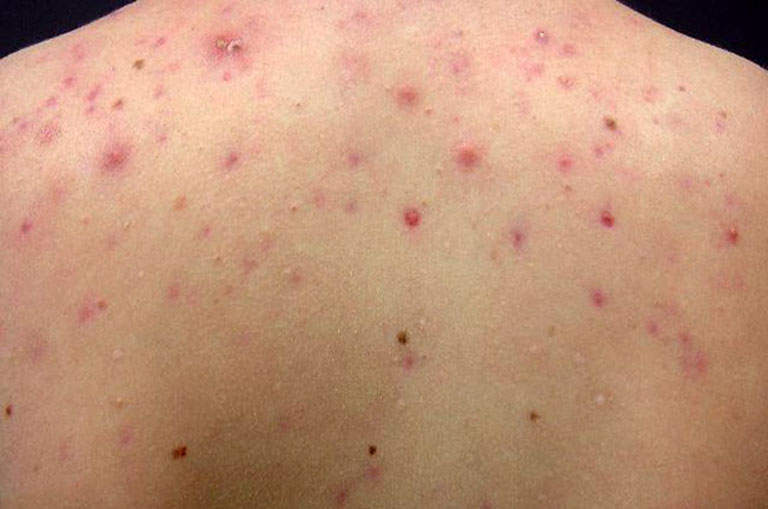
Tiny red dots on your arm or hand can look alarming, but their presence alone does not necessarily mean something is seriously wrong.
Common explanations include:
-
Cherry angiomas
-
Petechiae
-
Skin irritation
-
Allergic reactions
-
Insect bites
-
Heat rash
-
Folliculitis
-
Medication-related reactions
-
Certain infections or blood-related conditions
The most important factors are how the spots look, how quickly they appeared, whether they are changing, and whether you have other symptoms.
A few stable bright-red spots that have been present for years may be very different from hundreds of new non-blanching spots that appeared suddenly.
So don't panic when you discover a tiny red dot.
But don't automatically ignore a new or unusual skin change either.
Your skin can sometimes provide useful clues about your overall health. The goal isn't to fear every mark—it is to recognize meaningful changes and know when they deserve a closer look.