While not every skin condition can be prevented, several habits support healthy skin.
Protect Your Skin From Excessive Sun Exposure
Use appropriate sun protection and avoid prolonged unprotected exposure.
Keep Your Skin Moisturized
A healthy skin barrier can be more resistant to irritation.
Avoid Unnecessary Fragrance and Harsh Products
If your skin is sensitive, gentle, fragrance-free products may reduce irritation.
Don't Pick at Spots
Scratching or squeezing can cause inflammation, infection, scarring, and bleeding.
Pay Attention to New Medications
If a new rash develops after starting medication, contact your healthcare professional for advice.
Maintain Overall Health
Adequate nutrition, hydration, sleep, physical activity, and management of chronic conditions all contribute to general skin health.
A Simple Checklist for Tiny Red Dots
If you discover a few red spots on your arm or hand, ask yourself:
Are they new?
Are they increasing in number?
Are they itchy or painful?
Are they raised or completely flat?
Do they fade when pressed?
Are they located around hair follicles?
Have you recently changed skincare products, soap, or detergent?
Could you have been exposed to insects?
Have you recently started a medication?
Do you have fever, unusual bruising, bleeding, or other symptoms?
These questions won't provide a diagnosis, but they can help you describe the problem more accurately.
The Bottom Line
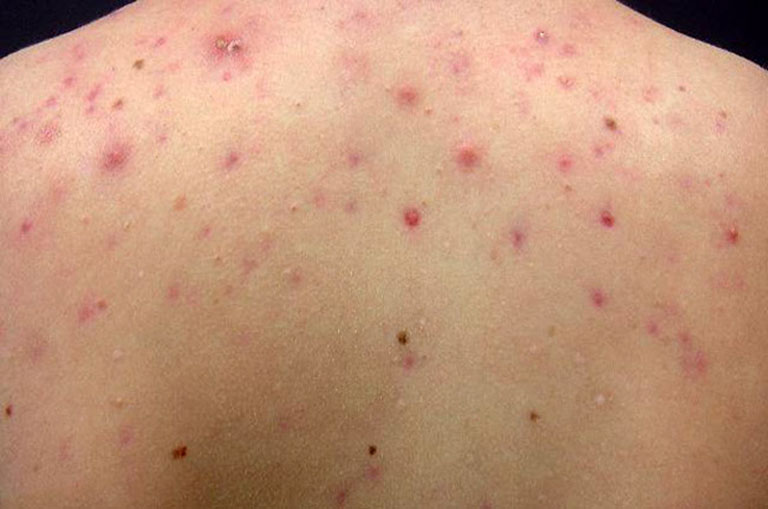
Tiny red dots on your arm or hand can look alarming, but their presence alone does not necessarily mean something is seriously wrong.
Common explanations include:
-
Cherry angiomas
-
Petechiae
-
Skin irritation
-
Allergic reactions
-
Insect bites
-
Heat rash
-
Folliculitis
-
Medication-related reactions
-
Certain infections or blood-related conditions
The most important factors are how the spots look, how quickly they appeared, whether they are changing, and whether you have other symptoms.
A few stable bright-red spots that have been present for years may be very different from hundreds of new non-blanching spots that appeared suddenly.
So don't panic when you discover a tiny red dot.
But don't automatically ignore a new or unusual skin change either.
Your skin can sometimes provide useful clues about your overall health. The goal isn't to fear every mark—it is to recognize meaningful changes and know when they deserve a closer look.