
The Volume Button on Your Phone Has Hidden Features You May Not Know
Hidden phone tricks: what your volume button can do.
Tips 29/03/2026 19:41
No Fancy Tricks Needed: American Experts Reveal the Best and Safest Way to Remove Pesticides from Fruits and Vegetables!
While many tips for washing fruits and vegetables are shared online, according to experts, this is the most effective method.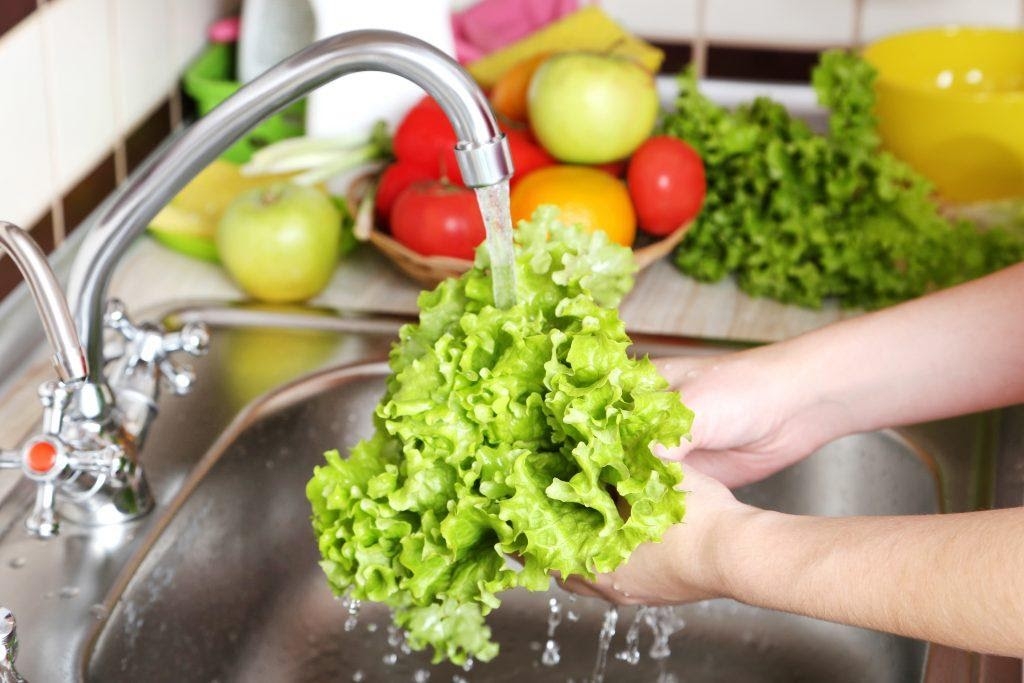
When it comes to washing produce, what most people care about is how to completely remove pesticide residues. The internet offers many hacks like using white vinegar, baking soda, or special cleaning solutions. However, according to experts, the most effective and safest way is still simply rinsing under running tap water.
According to HuffPost, Dr. Kelly Johnson-Arbor, a medical toxicologist and Medical Director at the U.S. National Capital Poison Center, states:
Using running tap water is the simplest and safest way to remove pesticides and bacteria from fruits and vegetables.
She does not recommend soaking fruits and vegetables in water, because although soaking can help remove some pesticide residues, stagnant water may promote bacterial spread and increase the risk of contamination.
Additionally, both the U.S. Centers for Disease Control and Prevention (CDC) and the Food and Drug Administration (FDA) agree: it’s best to wash fruits and vegetables under running water and avoid using solutions like vinegar, soap, or chemical food cleaners.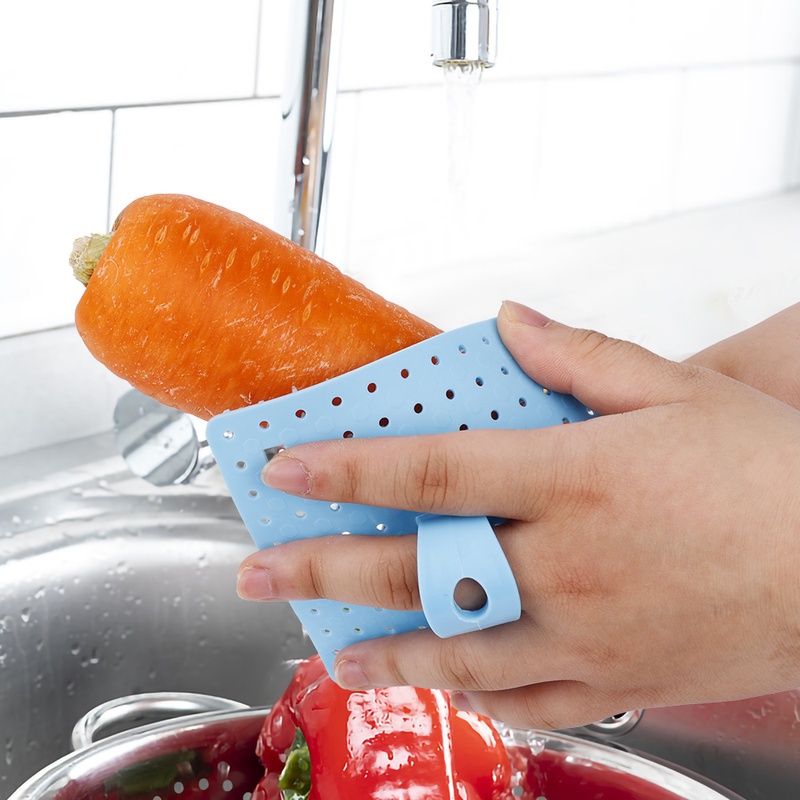
The reason is that fruits and vegetables can absorb liquids. If you use these cleaning agents, they might seep into the produce and affect your health. According to Emma Laing, Director of Nutrition at the University of Georgia, many commercial produce washes have not been thoroughly tested for safety and effectiveness.
Even though rinsing under running water is the best method, each type of produce has a different structure and may require a different approach when washing.
Here are a few tips:
Berries and vegetables with crevices like strawberries and cauliflower: Gently rinse under running water. Avoid scrubbing too hard to prevent damaging the surface, which can create entry points for bacteria.
Leafy vegetables with rough surfaces or multiple layers like cabbage and bok choy: Separate the leaves and thoroughly rinse each one to remove dirt and bacteria.
Green leafy vegetables like kale or lettuce: Should be separated and individually rinsed under running water. Avoid soaking an entire bunch in a basin.
Thick-skinned fruits like cantaloupes and mangoes: Should also be washed thoroughly before peeling, even though you won’t eat the skin. This prevents bacteria from transferring from the skin to the flesh during cutting.
Additionally, using a special produce brush is a highly effective but often overlooked method. The friction from the brush helps remove dirt, bacteria, and pesticide residues from the surface.
In summary, the best way to wash fruits and vegetables is simply by rinsing them thoroughly under running water. There’s no need for chemicals or special cleaning solutions. Washing properly and thoroughly is enough to significantly reduce pesticide residues and bacteria.
Hidden phone tricks: what your volume button can do.

Why do some travelers suggest keeping your suitcase in the bathtub at a hotel?

One small nightly step, like adding a bowl of water to your fridge, can help save energy
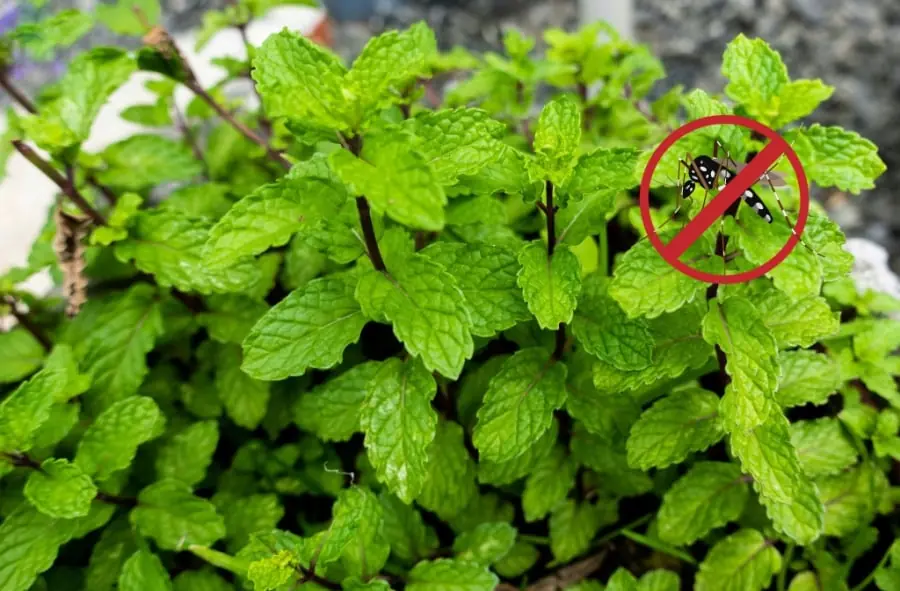
Place these leaves by your doorway to naturally keep flies and mosquitoes away

Why do smart individuals prefer placing their phones screen-down when idle?

Practical Ways to Loosen and Open Jar Lids with Ease

What are ways to reduce saltiness in food without adding liquid?

Japan’s Proven Approach to Drying Bulky Clothes Quickly and Effectively
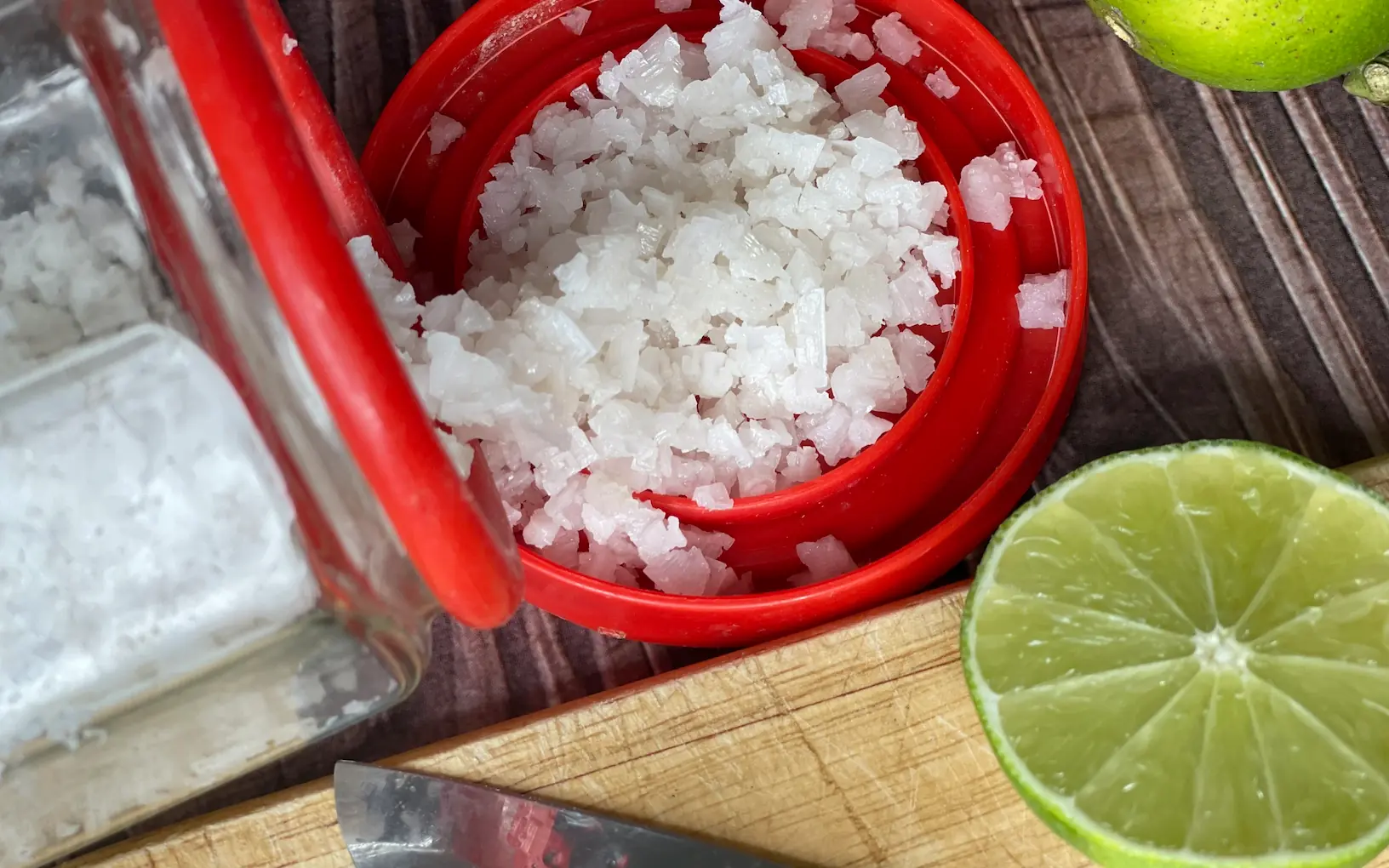
5 Surprising Benefits of Putting Lemon with Salt in Your Room

These 5 Plants Can Help Keep Snakes Away

Pour salt into your toilet and see what happens
Why people are putting salt in toilets—does it really work?

How to Grow Your Hair Faster and Make It Stronger Naturally

Add this to your floor cleaning routine to keep your home spotless and dust-free for a week
The Benefits of Growing Basil Indoors, Even in Small Spaces

A recipe to remove all the cancer cells from your body and prevent vision loss.

Not all fish are healthy—some may contain hidden toxins

Easy tips for fixing clogged pipes at home

Guide to planting chili peppers in pots to produce more fruit
Just 1 sweet potato a day can make a difference

Mucus in your throat? Learn what your body is signaling.

Dry mouth at night may signal hidden health issues.

After a loved one passes, some items should be kept.
4 Types of People Who May Need to Avoid Eating Cabbage

Nighttime Leg Cramps Could Be a Sign Your Body Needs Attention
These 3 symptoms often appear in the morning - everyone should pay attention

These foods may carry parasites—know the risks today.

Eating too much processed meat may harm your brain health.

Protect your thyroid by avoiding these common foods.

High blood fat — which includes elevated cholesterol and triglyceride levels — often develops silently. Many people don’t realize they have it until it leads to serious complications like heart disease, stroke, or fatty liver. Because the conditio
This often-overlooked mineral plays a vital role in keeping your body balanced and calm. While it’s no “miracle cure,” magnesium is essential for more than 300 biochemical reactions in your body — from muscle relaxation to heart rhythm and deep,

For millions of people worldwide, mornings simply don’t begin until that first aromatic sip of coffee. Beyond being a cozy daily ritual, coffee delivers a powerful boost of energy, focus, and mood that helps many people start their day on the right no

Every year, over 200 people die from consuming what is known as the “world’s deadliest food,” yet nearly 500 million people still eat it.
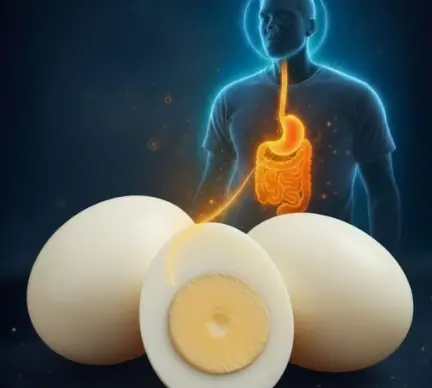
A few years ago, many health organizations raised concerns about eggs because of their cholesterol content. For a while, eggs were lumped into the same “unhealthy” category as foods like coconut oil and avocados—once misunderstood but later redeem

A heart attack does not happen suddenly without warning. In many cases, the body sends distress signals hours, days, or even weeks before a life-threatening cardiac event occurs. Unfortunately, these early signs are often mistaken for fatigue, indigestion

When it comes to raising children, most parents believe they’re doing what’s best — especially when it comes to nutrition.

A married couple in their early 50s, known among friends and family for their disciplined, healthy lifestyle, were shocked when both received cancer diagnoses within months of each other. They exercised regularly, avoided smoking and alcohol, and maintain
Hidden phone tricks: what your volume button can do.

Chicken gizzards: a hidden superfood you shouldn’t ignore.