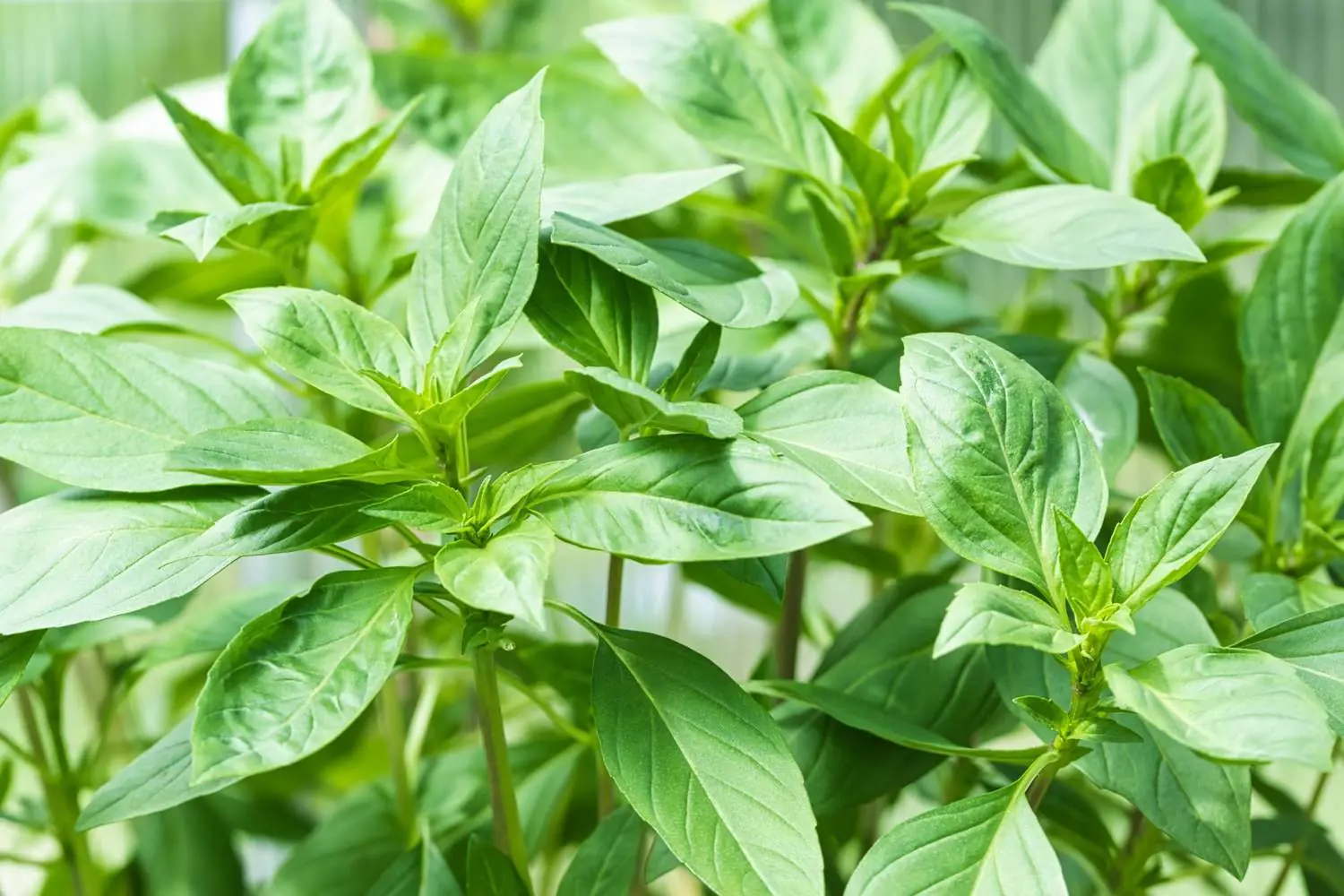
Why every home should have at least one indoor basil plant?
The Benefits of Growing Basil Indoors, Even in Small Spaces
Tips 27/03/2026 00:55
Microwaving Milk Tea for 30 Seconds Nearly Set My House on Fire: These 3 Foods Should Never Be Put in a Microwave
A young woman recently shared a harrowing experience: she placed a cup of cold milk tea into the microwave, set it for one minute, and stepped away to rinse her straw. After just 30 seconds, she heard crackling sounds and saw sparks inside the microwave. Alarmed, she immediately stopped the microwave and opened the door, only for flames to burst out. She had to use a kitchen spatula to push the burning cup out, extinguishing the fire.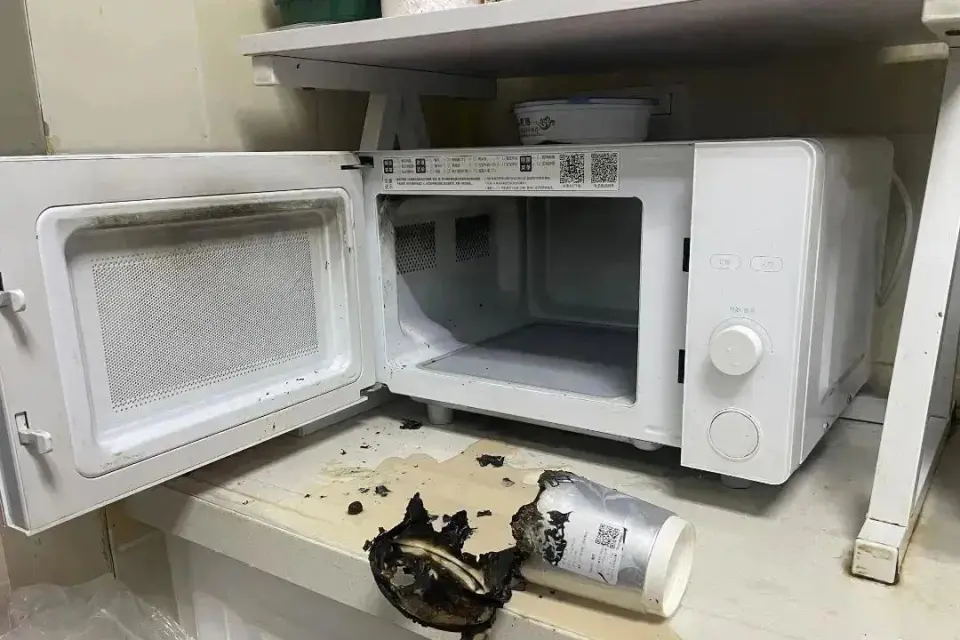
Photos revealed the top of the cup completely charred and the interior of the microwave blackened with smoke.
Why Did the Milk Tea Catch Fire?
According to Mr. Lý Vũ Giang, Deputy Head of the Propaganda Department of the Fire Prevention Office in Xicheng District, Beijing, the fire was primarily due to the cup's material. Many milk tea cups are made of paper or plastic, and to prevent leakage, some paper cups are lined with a thin layer of metal.
Microwaves heat food by emitting electromagnetic waves that cause water molecules to vibrate, generating heat. However, metals reflect these waves, leading to the formation of electric currents and localized high voltages, which can produce sparks. These sparks can reach temperatures of thousands of degrees Celsius, easily igniting the paper or plastic materials of the cup.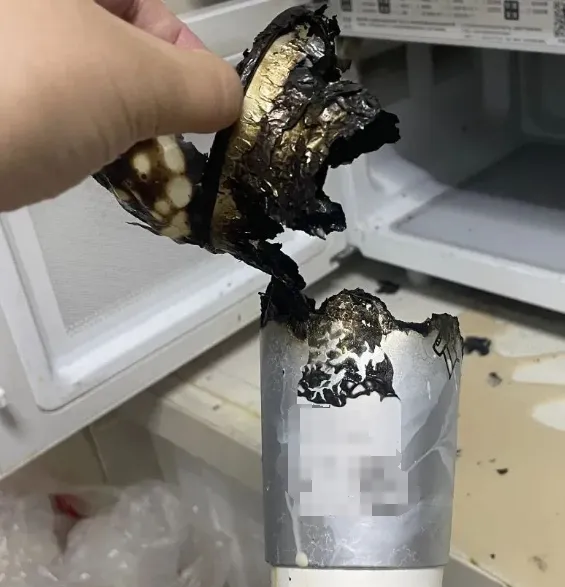
Three Foods That Should Never Be Microwaved
Eggs in Shells: Heating whole eggs in the microwave can cause pressure to build up inside, leading to the shell cracking or even exploding.
Deep-Fried Foods: The high temperatures can cause the oil to splatter and ignite, posing a fire hazard.
Low-Moisture Foods: Items like nuts and dried meats can easily catch fire due to their low water content.
Items to Avoid Placing in the Microwave
Metal Objects: Items like knives, forks, and aluminum foil can cause sparks, damaging the microwave or starting a fire.
Sealed Containers: Glass or plastic bottles with lids can build up pressure and explode.
Regular Plastics: Non-microwave-safe plastics can deform and release toxic substances. Always use microwave-safe plastics.
Ordinary Glassware: Regular glass may not withstand the heat and can crack or shatter. Use heat-resistant glassware.
Safety Tips for Using a Microwave
Not all items are microwave-safe. Always check before use.
Monitor the microwave while it's in operation.
If you notice smoke, sparks, or unusual noises, immediately unplug the microwave.
If the situation is uncontrollable, evacuate the area and seek assistance.
A small oversight can lead to significant consequences. Always exercise caution when using a microwave.
The Benefits of Growing Basil Indoors, Even in Small Spaces

A recipe to remove all the cancer cells from your body and prevent vision loss.
Not all fish are healthy—some may contain hidden toxins
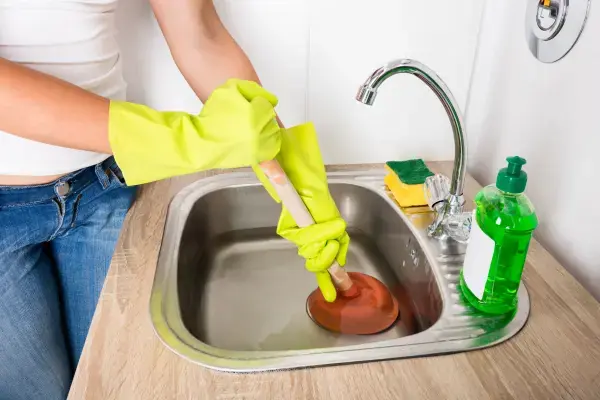
Easy tips for fixing clogged pipes at home

Guide to planting chili peppers in pots to produce more fruit

What happens to your body when you start each day with ginger and red date tea?

Red vs. White Peanuts: The Key Differences You Need to Know
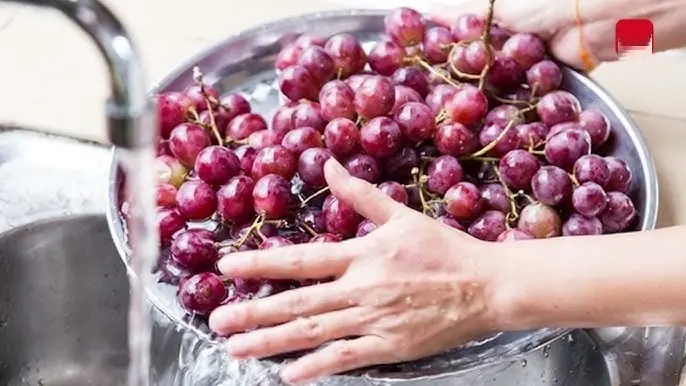
This simple trick removes even hidden dirt and insect eggs
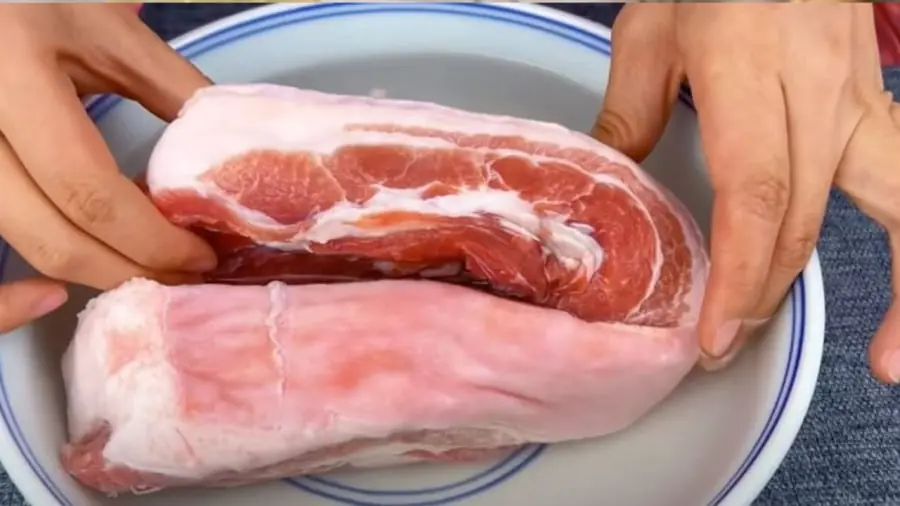
How to Defrost Meat Quickly While Keeping It Fresh
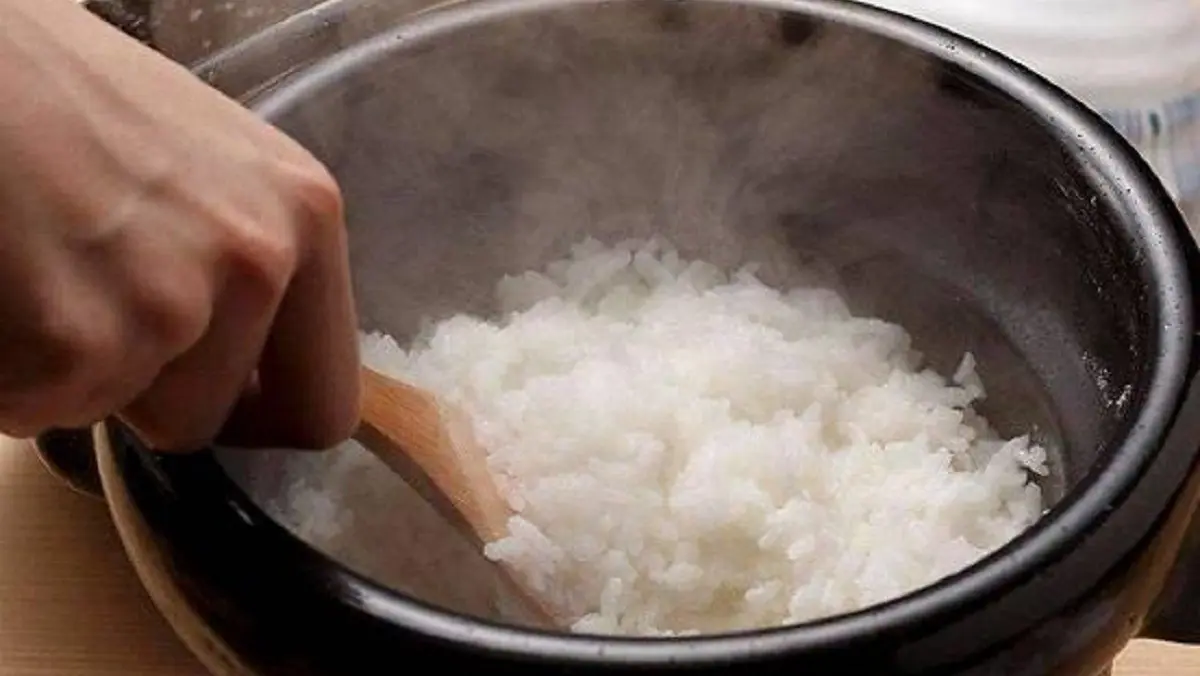
Simple Tips to Cook Delicious Rice That Stays Fresh Longer
Why would you bury garlic in a bucket of rice?
Not just food: surprising and practical uses of rice you should know
There are 5 unexpected ways to use an air fryer that most people are unaware of
Quick trick to thaw frozen meat in just 5 minutes at home
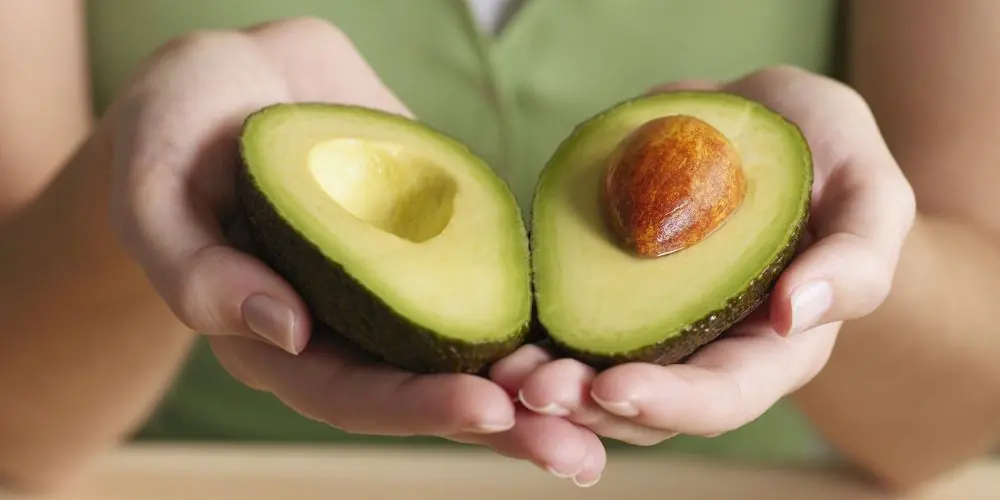
Easy Tips to Keep Ripe Avocados Fresh Without Browning or Getting Mushy

This simple trick helps you spot spoiled pork instantly

These common veggies are more powerful than you think
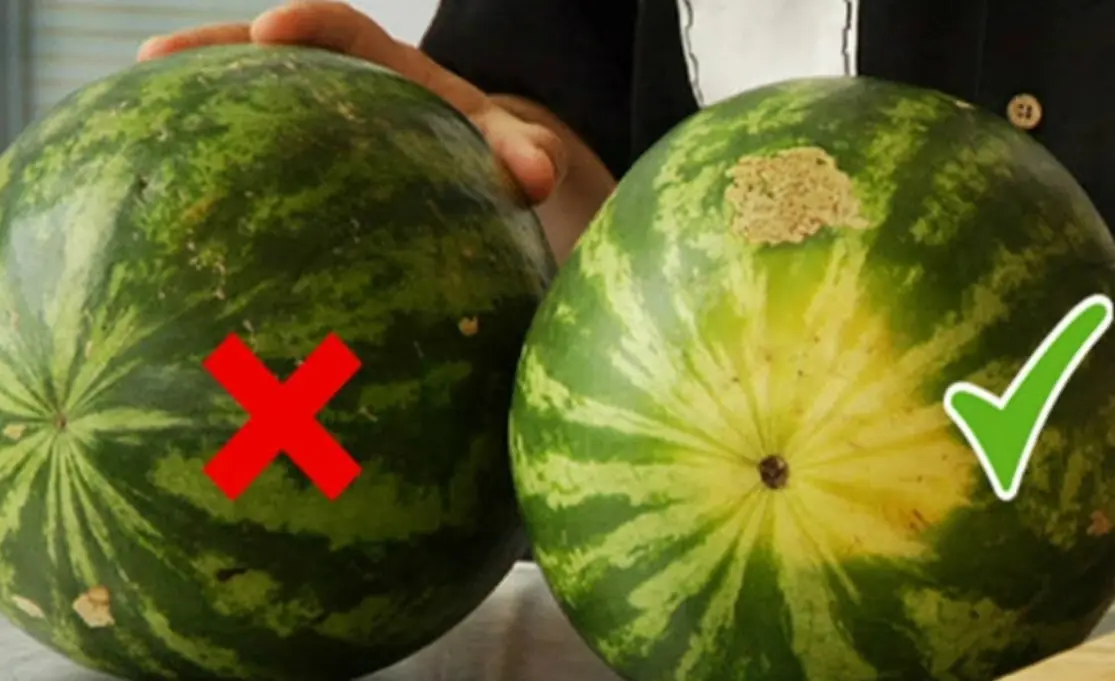
Simple tips to choose a juicy, sweet watermelon with vibrant red flesh
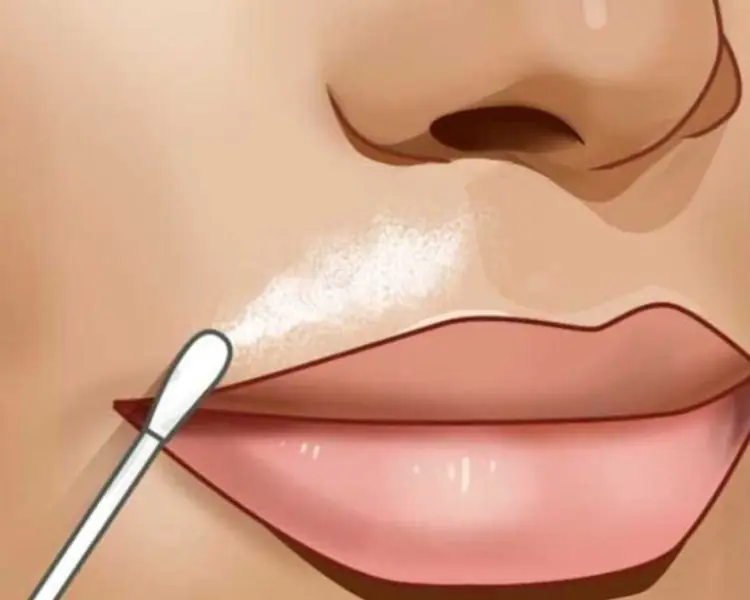
A quick and gentle way to eliminate facial hair with no pain

7 Plants You Should Remove Immediately to Keep Snakes Away


If you have diabetes, read this before eating cucumbers

Brushing Teeth with Diluted Salt Water for a Year: What Happened Next?

Ginger isn’t for everyone—know when it may do more harm than good.

Daytime naps: helpful habit or hidden health warning sign?
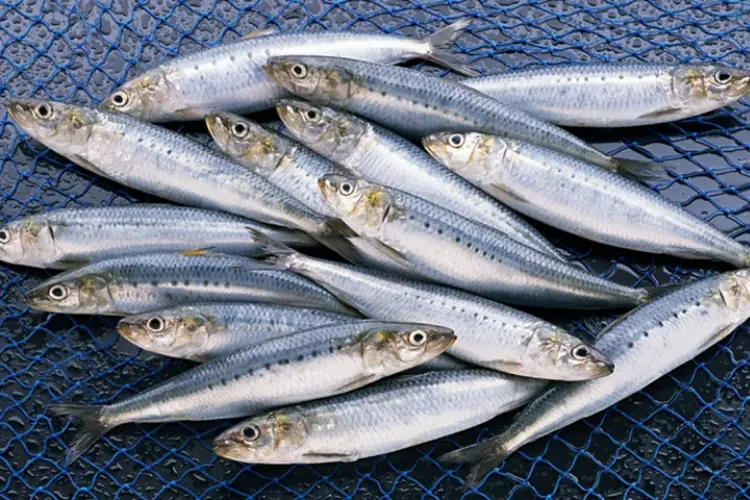
7 Cheap but Nutrient-Rich Fish You Shouldn’t Ignore

Are “washed eggs” really dangerous? Experts reveal the truth.
The Benefits of Growing Basil Indoors, Even in Small Spaces

Sour vag:inal smell? Here are 4 real reasons every woman should know

7 Signs Your Kidneys Are Working Well — Check Yourself

If your mouth feels dry at night, here are 8 reasons why...
5 Silent Night Symptoms That May Indicate Kidney Dam:age

Are some vegetables harmful? The truth may surprise you.
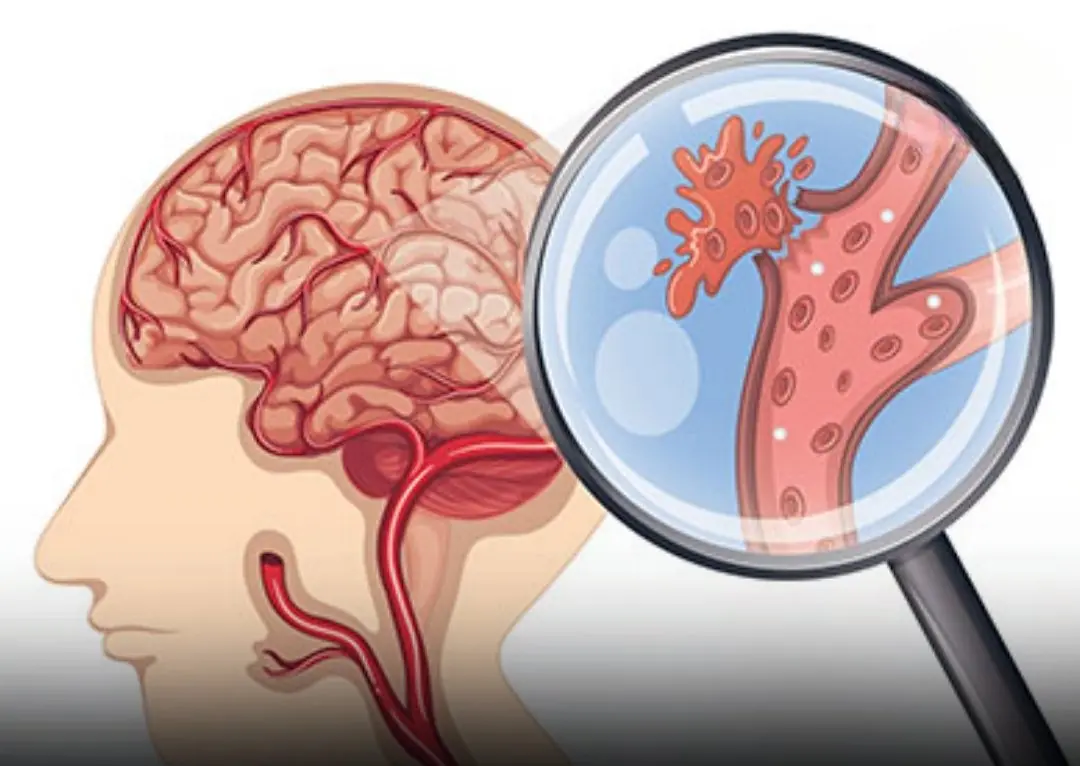
Recognizing an Aneurysm: The Dang:erous Symptoms That Demand Immediate Attention

The Surprising Ways Liver Disease Appears on the Legs

Don’t Ignore These Symptoms — Your Kidneys Could Be at Risk

5 morning symptos that could be early warning signs of can.cer - signs no one should ignore.

5 symptoms at night that could signal early kidney problems

Sweet potatoes: a simple food packed with powerful health benefits.

She was only 23… and didn’t see this coming