10 Signs You’re Not Drinking Enough Water — And Why Your Body Is Struggling
Water is the foundation of life, yet many people walk around mildly dehydrated every single day without realizing it. You don’t need to feel extremely thirsty to be dehydrated. In fact, by the time thirst appears, your body is often already behind.
If you constantly feel “off” but can’t pinpoint why, inadequate water intake may be the hidden cause. Below are 10 clear signs your body uses to warn you that it needs more water.
1. Frequent Headaches or Lightheadedness
One of the earliest signs of dehydration is a headache. When your body lacks water, blood volume can decrease slightly, reducing oxygen flow to the brain.
This often results in:
-
Dull or throbbing headaches
-
Lightheadedness
-
Pressure around the temples
Many people reach for painkillers when what they really need is water.
2. Constant Fatigue and Low Energy
If you feel tired even after a full night’s sleep, dehydration may be to blame. Water is essential for:
-
Nutrient transport
-
Cellular energy production
-
Circulation
Without enough fluids, your body works harder to perform basic functions, leading to persistent exhaustion.
3. Dry or Dull Skin
Skin is one of the first places dehydration shows. When water intake is low, skin may appear:
-
Dry
-
Less elastic
-
Dull or flaky
Drinking more water helps maintain skin hydration from the inside out, supporting a healthier appearance.
4. Dark Yellow Urine
Urine color is one of the most reliable hydration indicators. Pale yellow usually signals good hydration, while dark yellow or amber urine suggests your body is conserving water.
This is a clear sign you need to drink more fluids.
5. Dry Mouth and Bad Breath
Saliva helps control bacteria in the mouth. When dehydrated, saliva production drops, leading to:
-
Dry mouth
-
Bad breath
-
Sticky or uncomfortable oral sensation
No amount of mints can fix what dehydration causes.
6. Difficulty Concentrating or Brain Fog
Even mild dehydration can affect cognitive function. You may notice:
-
Trouble focusing
-
Slower thinking
-
Memory lapses
The brain is highly sensitive to fluid balance, and dehydration can impair mental clarity more than most people realize.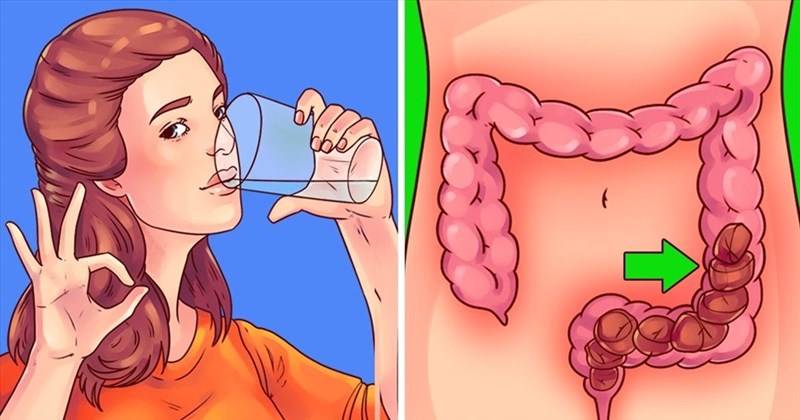
7. Muscle Cramps or Joint Discomfort
Water plays a key role in muscle function and joint lubrication. Inadequate hydration can lead to:
-
Muscle cramps
-
Stiff joints
-
Reduced flexibility
This is especially common during physical activity or hot weather.
8. Frequent Hunger or Sugar Cravings
Thirst is often mistaken for hunger. When dehydrated, the body may send signals that feel like:
-
Sudden hunger
-
Cravings for sweets or salty foods
Before snacking, try drinking a glass of water and waiting a few minutes.
9. Constipation or Digestive Issues
Water is essential for digestion. Without enough fluids, stool becomes harder and more difficult to pass, leading to:
-
Constipation
-
Bloating
-
Sluggish digestion
Proper hydration helps keep the digestive system moving smoothly.
10. Increased Irritability or Mood Changes
Dehydration doesn’t just affect the body—it impacts mood. Even mild fluid loss can cause:
-
Irritability
-
Anxiety
-
Low mood
This happens because dehydration stresses the nervous system and disrupts chemical balance in the brain.
Why Chronic Mild Dehydration Is Dangerous
Many people are not severely dehydrated—but they are constantly under-hydrated. Over time, this can contribute to:
-
Kidney strain
-
Poor circulation
-
Reduced physical performance
-
Weakened immune response
Because symptoms develop slowly, they are often ignored or blamed on stress or aging.
How Much Water Do You Really Need?
There is no single perfect number, but general guidance includes:
-
Drinking regularly throughout the day
-
Paying attention to urine color
-
Increasing intake during heat, exercise, or illness
Your needs vary based on body size, activity level, and environment.
Simple Ways to Drink More Water
-
Start your morning with a glass of water
-
Keep a reusable bottle nearby
-
Drink water before meals
-
Set gentle reminders if needed
Consistency matters more than large amounts at once.

Final Thought
Your body constantly communicates with you—but it doesn’t speak in words. It speaks through symptoms, signals, and patterns.
If several of these signs feel familiar, your body may be asking for something very simple:
more water.
Listening early can prevent bigger problems later. Hydration is not a trend—it is a necessity.