10 Signs You May Have Kidney Disease Without Realizing It
The kidneys are among the most important organs in the human body. They work continuously to filter waste products, remove excess fluids, regulate electrolytes, and help maintain overall balance in the bloodstream. Despite their essential role, kidney disease often develops silently and gradually, with symptoms that may be subtle or easy to overlook.
Many people do not realize they have kidney problems until the condition has progressed significantly. Because the early warning signs may seem mild or unrelated, understanding these signals can help individuals seek medical evaluation before serious complications arise.
Below are ten possible signs that may indicate kidney disease, especially if they persist or appear together.
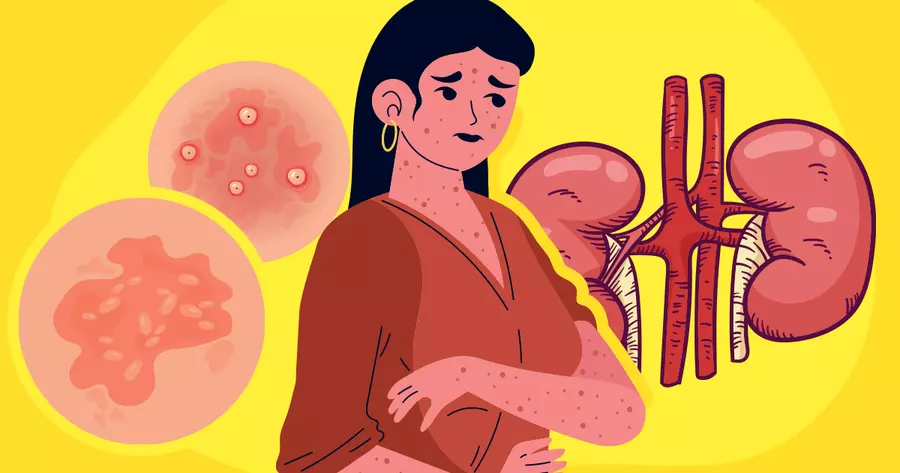


1. Persistent Skin Itching
Chronic itching is one of the lesser-known signs that may be associated with kidney problems. When the kidneys are not functioning properly, waste products can build up in the bloodstream. This imbalance may cause dryness and itching of the skin.
People experiencing kidney-related itching may notice:
-
Persistent itchiness without an obvious cause
-
Skin irritation that worsens at night
-
Dry or flaky skin
While itching can result from many conditions, ongoing symptoms should be evaluated by a healthcare professional.
2. Changes in Urination
Because the kidneys produce urine, changes in urination are often among the earliest warning signs of kidney problems.
Possible changes include:
-
Urinating more frequently, especially at night
-
Dark or foamy urine
-
Difficulty urinating
-
Blood appearing in urine
These changes can indicate that the kidneys are struggling to filter waste effectively.
3. Fatigue and Low Energy
Healthy kidneys produce a hormone called erythropoietin, which helps the body create red blood cells. When kidney function declines, red blood cell production may decrease, leading to anemia.
Symptoms of this condition may include:
-
Persistent fatigue
-
Weakness
-
Difficulty concentrating
-
Reduced physical endurance
Fatigue related to kidney disease may continue even after adequate rest.



4. Swelling in the Feet and Ankles
When the kidneys cannot properly remove excess fluid and sodium from the body, fluid may accumulate in the tissues. This often results in swelling in the feet, ankles, or legs.
This swelling, medically known as edema, may appear as:
-
Puffy ankles
-
Tightness in shoes
-
Visible swelling around the lower legs
Persistent swelling should be examined to determine the underlying cause.
5. Difficulty Concentrating
Kidney disease can affect oxygen delivery to the brain due to anemia or toxin buildup in the blood. As a result, some individuals may experience:
-
Difficulty focusing
-
Memory problems
-
Mental fog or confusion
These symptoms may develop gradually and may be mistaken for stress or fatigue.
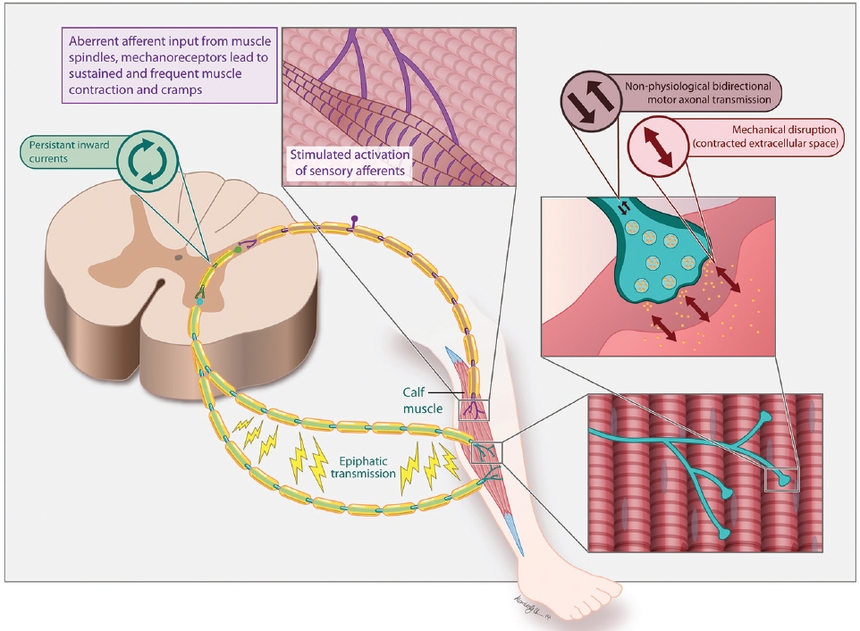
6. Muscle Cramps
Electrolyte imbalances caused by impaired kidney function can trigger muscle cramps, particularly in the legs. Low levels of calcium or imbalances in sodium and potassium may contribute to these cramps.
Frequent or severe muscle cramps may indicate that the body’s mineral balance has been disrupted.


7. Poor Appetite
Waste buildup in the body can affect digestion and appetite. People with kidney problems may experience:
-
Reduced appetite
-
Unexplained weight loss
-
Nausea after eating
These symptoms may appear gradually and may worsen over time.
8. Puffiness Around the Eyes
Another sign that may appear early is swelling around the eyes, especially in the morning. This occurs when protein leaks into the urine due to impaired kidney filtration.
Visible puffiness or persistent swelling near the eyes may indicate kidney-related issues.
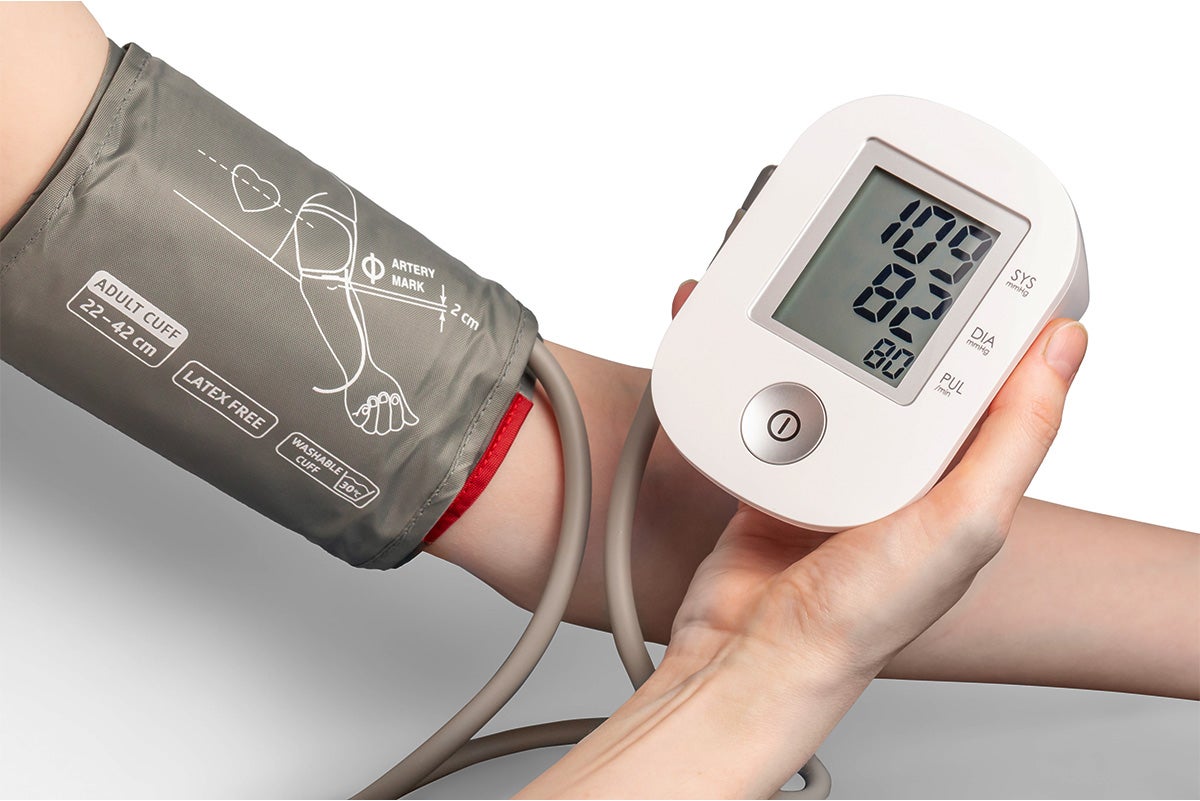
9. High Blood Pressure
The kidneys help regulate blood pressure by controlling fluid balance and releasing hormones that affect blood vessel function.
When kidney function declines, blood pressure may rise. At the same time, high blood pressure can also damage the kidneys, creating a harmful cycle.
Regular blood pressure monitoring is important for protecting kidney health.


10. Persistent Back Pain Near the Kidneys
Some people with kidney disease experience pain in the lower back or sides, near where the kidneys are located. This discomfort may feel like a dull ache or pressure.
However, not all kidney problems cause pain, which is why other symptoms should also be considered.
Protecting Kidney Health
Kidney disease often progresses quietly, but certain lifestyle habits may help protect kidney function.
Important steps include:
-
Drinking adequate water
-
Maintaining healthy blood pressure
-
Managing blood sugar levels
-
Eating a balanced diet
-
Avoiding excessive salt intake
-
Exercising regularly
Routine medical checkups and blood tests can also help detect kidney issues early.
Final Thoughts
Kidney disease is sometimes referred to as a “silent condition” because symptoms may not appear until significant damage has occurred. Recognizing early warning signs—such as changes in urination, swelling, fatigue, or persistent itching—can help individuals seek timely medical evaluation.
Although these symptoms can have many possible causes, paying attention to the body’s signals is an important step toward protecting long-term health.
Early detection and proper medical care can significantly improve outcomes and help maintain healthy kidney function for years to come.