The circulatory system works around the clock to deliver oxygen and nutrients throughout the body. At the center of this system are the heart, blood vessels, and blood itself. Maintaining healthy circulation is essential for overall well-being, and diet plays an important role in supporting cardiovascular health.
Blood clotting is a normal and necessary process. Without it, even minor injuries could lead to dangerous bleeding. However, maintaining the right balance is important. Healthy blood vessels, proper circulation, and normal clotting function all contribute to cardiovascular wellness.
While no food can magically "thin the blood" or dissolve dangerous blood clots, certain foods contain nutrients and plant compounds that may support heart health, healthy blood vessel function, and normal circulation when consumed as part of a balanced lifestyle.
Let's explore 12 foods that are frequently associated with cardiovascular benefits.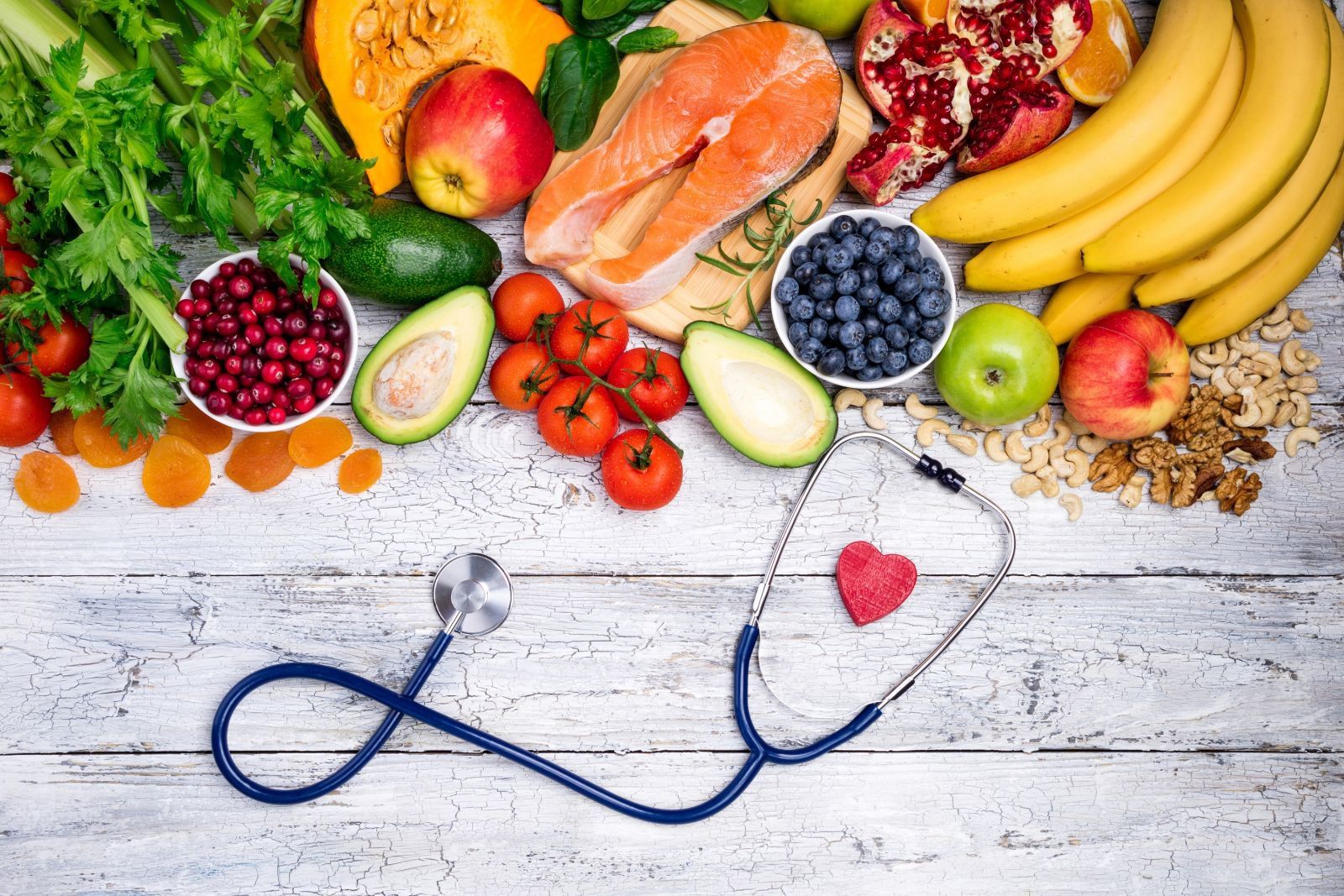
Understanding Blood Clotting
Before discussing specific foods, it's important to understand that blood clotting is not inherently bad.
Why Clotting Matters
Blood clotting helps:
-
Stop bleeding after injury
-
Protect wounds during healing
-
Prevent excessive blood loss
Problems arise when clotting occurs inappropriately inside blood vessels.
Important Reminder
Dietary choices can support overall cardiovascular health, but they do not replace medical treatment for clotting disorders or cardiovascular disease.
1. Fatty Fish
Fatty fish are among the most frequently recommended foods for heart health.
Examples
-
Salmon
-
Sardines
-
Mackerel
-
Herring
Why They're Beneficial
These fish contain omega-3 fatty acids, which have been extensively studied for their cardiovascular effects.
Potential Benefits
Omega-3s may support:
-
Heart health
-
Healthy blood vessel function
-
Normal inflammatory responses
2. Berries
Berries are packed with antioxidants.
Examples
-
Blueberries
-
Strawberries
-
Raspberries
-
Blackberries
Key Nutrients
They contain:
-
Vitamin C
-
Fiber
-
Anthocyanins
Potential Benefits
Research suggests berries may support:
-
Blood vessel health
-
Healthy circulation
-
Antioxidant protection
3. Garlic
Garlic has been used in traditional diets for centuries.
Active Compounds
Garlic contains sulfur compounds such as allicin.
Research Interest
Scientists continue studying garlic's potential effects on:
-
Blood pressure
-
Circulation
-
Cardiovascular health
Easy Ways to Enjoy It
Add fresh garlic to:
-
Soups
-
Sauces
-
Vegetables
-
Marinades
4. Leafy Green Vegetables
Leafy greens are nutritional powerhouses.
Examples
-
Spinach
-
Kale
-
Swiss chard
-
Arugula
Why They Matter
These vegetables contain:
-
Vitamins
-
Minerals
-
Antioxidants
Potential Benefits
They may support:
-
Blood vessel function
-
Heart health
-
Overall nutrition
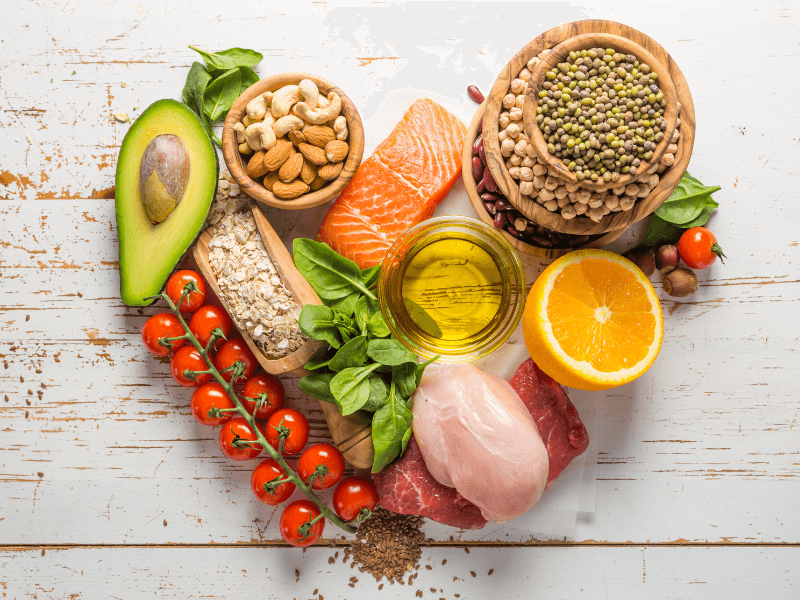
5. Nuts
Nuts provide healthy fats and important nutrients.
Examples
-
Walnuts
-
Almonds
-
Pistachios
Nutritional Highlights
Nuts contain:
-
Fiber
-
Magnesium
-
Healthy fats
Potential Benefits
Studies often associate nut consumption with improved cardiovascular health.
6. Olive Oil
Olive oil is a key component of the Mediterranean diet.
Why It Stands Out
Extra virgin olive oil contains:
-
Monounsaturated fats
-
Polyphenols
Potential Benefits
Research suggests it may help support:
-
Healthy cholesterol levels
-
Blood vessel function
-
Heart health
7. Tomatoes
Tomatoes are rich in lycopene.
What Is Lycopene?
A powerful antioxidant responsible for the red color of tomatoes.
Potential Benefits
Lycopene has been studied for its role in cardiovascular wellness and antioxidant protection.
8. Dark Chocolate
Good news for chocolate lovers.
Choose Wisely
Dark chocolate with a high cocoa content contains beneficial plant compounds.
Potential Benefits
Cocoa flavanols may support:
-
Blood vessel function
-
Circulation
-
Cardiovascular health
Moderation Matters
Chocolate should still be enjoyed as part of a balanced diet.
9. Citrus Fruits
Citrus fruits are rich in vitamin C and other beneficial compounds.
Examples
-
Oranges
-
Grapefruits
-
Lemons
-
Limes
Potential Benefits
These fruits may help support:
-
Blood vessel integrity
-
Antioxidant protection
-
Immune function
10. Avocados
Avocados provide healthy fats and fiber.
Nutritional Advantages
They contain:
-
Potassium
-
Monounsaturated fats
-
Fiber
Potential Benefits
These nutrients may contribute to heart health and healthy blood pressure regulation.
11. Green Tea
Green tea contains compounds known as catechins.
Why Researchers Study It
Catechins are antioxidants that may support cardiovascular health.
Additional Benefits
Green tea may also contribute to:
-
Hydration
-
Antioxidant intake
-
Overall wellness
12. Turmeric
Turmeric is a spice commonly used in Asian cuisine.
Active Compound
Curcumin is the primary compound of interest.
Potential Benefits
Researchers have investigated curcumin for its effects on:
-
Inflammation
-
Oxidative stress
-
Cardiovascular health
More research is ongoing.
The Role of Hydration
Food isn't the only factor affecting circulation.
Why Water Matters
Proper hydration supports:
-
Blood volume
-
Circulation
-
Overall bodily function
Simple Habit
Aim for consistent fluid intake throughout the day.
Lifestyle Habits That Support Heart Health
Nutrition works best when combined with other healthy habits.
Regular Exercise
Physical activity supports:
-
Circulation
-
Heart function
-
Blood pressure management
Adequate Sleep
Quality sleep contributes to cardiovascular wellness.
Stress Management
Chronic stress may negatively affect heart health.
Avoid Smoking
Smoking damages blood vessels and significantly increases cardiovascular risk.
Common Myths About Blood-Clotting Foods
Myth 1: Certain Foods Can Dissolve Dangerous Blood Clots
There is no evidence that ordinary foods can safely dissolve serious blood clots.
Medical treatment is essential when blood clots are suspected.
Myth 2: More Is Always Better
Excessive consumption of any single food rarely provides additional benefits.
Myth 3: Supplements Are Better Than Whole Foods
Whole foods provide complex nutrient combinations that supplements often cannot fully replicate.
Myth 4: One Food Can Prevent Heart Disease
Heart health depends on overall lifestyle patterns rather than individual foods.
Important Considerations for People Taking Blood Thinners
Certain foods may interact with medications.
Examples
Foods high in vitamin K may affect some anticoagulant medications.
What To Do
Individuals taking prescription blood thinners should follow medical advice regarding diet and medication management.
Building a Heart-Healthy Plate
A simple approach includes:
Fill Half the Plate With
-
Vegetables
-
Fruits
Add Lean Protein
-
Fish
-
Poultry
-
Legumes
Include Healthy Fats
-
Olive oil
-
Nuts
-
Seeds
Choose Whole Grains
Whenever possible.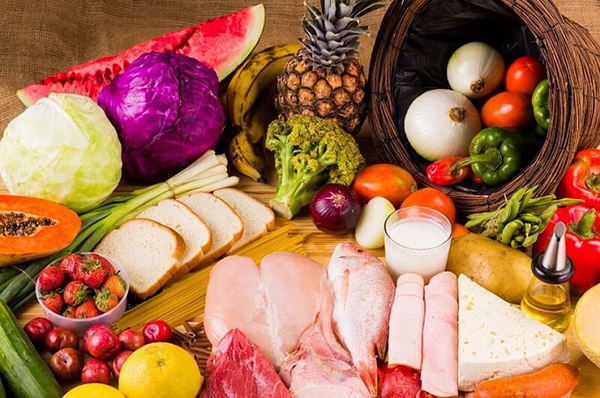
Final Thoughts
Supporting cardiovascular health involves much more than focusing on a single nutrient or food. Fatty fish, berries, garlic, leafy greens, nuts, olive oil, tomatoes, dark chocolate, citrus fruits, avocados, green tea, and turmeric all contain nutrients and plant compounds that may help support healthy blood vessel function, circulation, and overall heart health.
While these foods can be valuable additions to a balanced diet, they should be viewed as part of a comprehensive approach that includes regular exercise, adequate sleep, stress management, proper hydration, and appropriate medical care when needed.
The healthiest heart is built through consistent daily habits, and choosing nutrient-rich foods is one of the most powerful steps toward long-term cardiovascular wellness.