3 Pain Areas on the Body That Could Signal Early-Stage Cancer — What You Should Pay Attention To
Pain is one of the body’s most important warning systems. Most aches and discomforts are harmless, caused by muscle strain, stress, or minor injuries. However, in some cases, persistent or unusual pain can signal deeper health issues — including early-stage cancer.
It’s important to clarify one thing from the start: pain alone does not mean cancer. Many non-cancerous conditions cause similar symptoms. But when pain is unexplained, persistent, or worsening over time, it deserves attention. Recognizing patterns early can lead to earlier diagnosis and better outcomes.
Below are three areas of pain that doctors often encourage people not to ignore.
1. Persistent Abdominal or Pelvic Pain
Ongoing pain or pressure in the abdomen or pelvic region is one of the most commonly overlooked warning signs. This discomfort may feel dull, bloated, cramp-like, or constantly heavy rather than sharp.
In early stages, cancers affecting organs such as the ovaries, colon, pancreas, or stomach may cause subtle abdominal pain due to inflammation, pressure on nearby tissues, or changes in digestion. Many people mistake this discomfort for indigestion, gas, or menstrual-related pain.
Red flags include pain that:
-
Persists for weeks
-
Worsens after eating
-
Is accompanied by bloating or changes in bowel habits
-
Occurs without a clear cause
While abdominal pain is common and often harmless, persistent, unexplained discomfort should never be ignored.


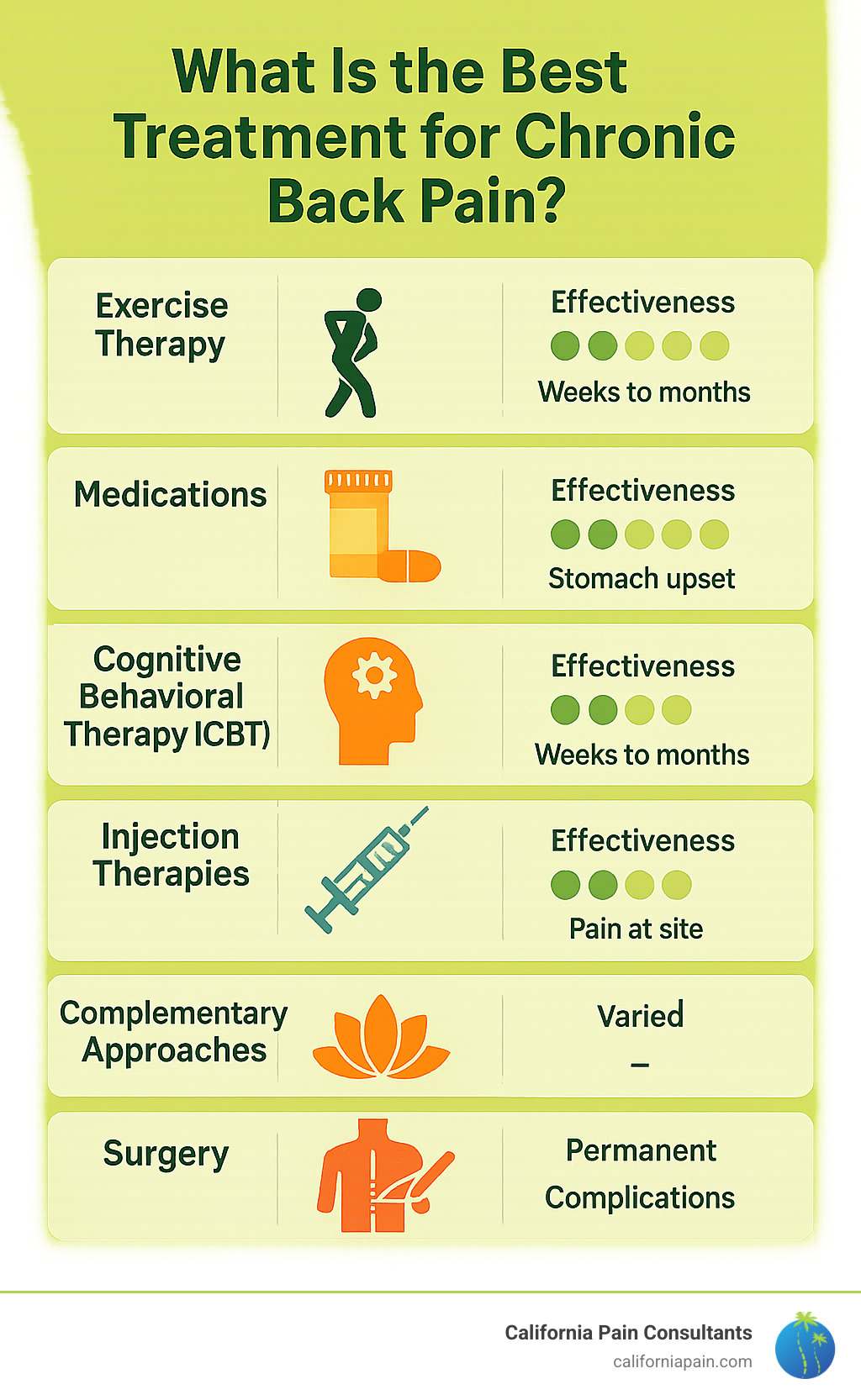
2. Back Pain That Doesn’t Improve
Back pain is extremely common, especially in adults with sedentary lifestyles or physical strain. However, not all back pain comes from muscles or posture.
In some cases, early-stage cancers of the kidneys, pancreas, spine, or lungs may cause pain that radiates to the lower or upper back. This pain often feels deep, constant, and unrelated to movement or physical activity.
Warning signs include:
-
Pain that persists despite rest
-
Pain that worsens at night
-
Pain not relieved by stretching or painkillers
-
Pain accompanied by unexplained weight loss or fatigue
Unlike muscle-related pain, cancer-related back pain tends to feel internal and progressive rather than mechanical.


3. Bone Pain or Unexplained Tenderness
Bone pain is another symptom that deserves careful attention, especially when it occurs without injury. This type of pain may feel deep, aching, or throbbing and may worsen at night or during rest.
Certain cancers can affect bone tissue directly or indirectly, causing inflammation or weakening of the bone structure. Early signs may include localized pain, tenderness when touched, or frequent fractures from minor impact.
Signs that bone pain should be evaluated include:
-
Pain lasting longer than a few weeks
-
Pain in one specific location
-
Swelling or tenderness over a bone
-
Pain that worsens over time
Bone pain is often dismissed as aging or overuse, but persistent symptoms warrant medical evaluation.


Why Early Attention Matters
Early-stage cancers are often more treatable and associated with better outcomes. The challenge is that early symptoms are usually subtle and easy to dismiss. Pain that doesn’t fit a typical pattern is one of the body’s ways of asking for closer attention.
This doesn’t mean living in fear or assuming the worst. It means listening to your body and recognizing when something feels “off” for longer than it should.
When to See a Doctor
You should seek medical advice if pain:
-
Lasts more than two to three weeks
-
Has no clear cause
-
Worsens over time
-
Interferes with daily activities
-
Is accompanied by fatigue, weight loss, or appetite changes
Doctors rely on patterns, duration, and associated symptoms — not pain alone — to decide whether further testing is needed.
Final Thoughts
Pain is not your enemy. It’s information. While most pain is harmless, persistent, unexplained pain deserves respect and attention. Early action doesn’t create problems — it prevents them.
Listening early, asking questions, and getting checked when something doesn’t feel right can make a critical difference. Your body often knows before you do.