5 Warning Signs Your Liver May Be in a Severe Stage — Don’t Ignore These Signals
The liver is one of the hardest-working organs in the human body. It filters toxins, helps digest food, regulates metabolism, and supports immune function. Despite its importance, liver damage often develops quietly, without obvious pain in the early stages. That’s why many people don’t realize something is wrong until the condition has progressed.
When the liver reaches a severe stage of dysfunction, the body starts sending warning signs. These symptoms are not random. They are signals that your liver may be struggling to perform essential tasks. Ignoring them can lead to serious complications, including liver failure. Below are five warning signs that should never be brushed off.
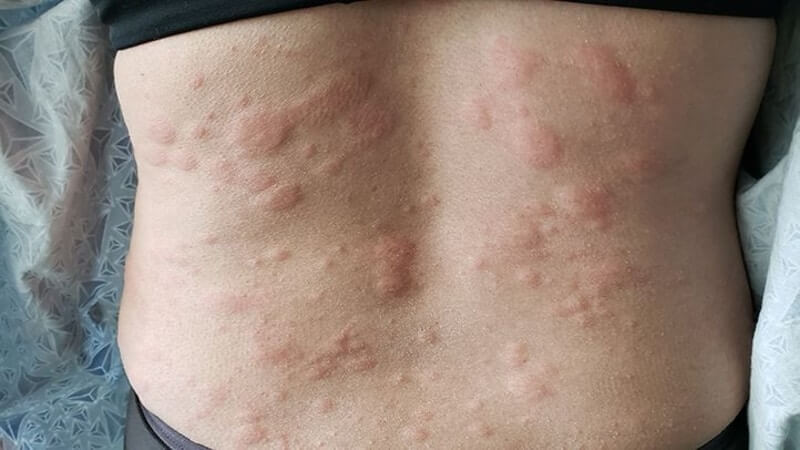
1. Persistent Itching and Skin Changes
One of the earliest but most overlooked signs of severe liver trouble is persistent itching. This itch often appears without a visible rash and may feel deep under the skin. It can be constant, worse at night, and resistant to typical anti-itch treatments.
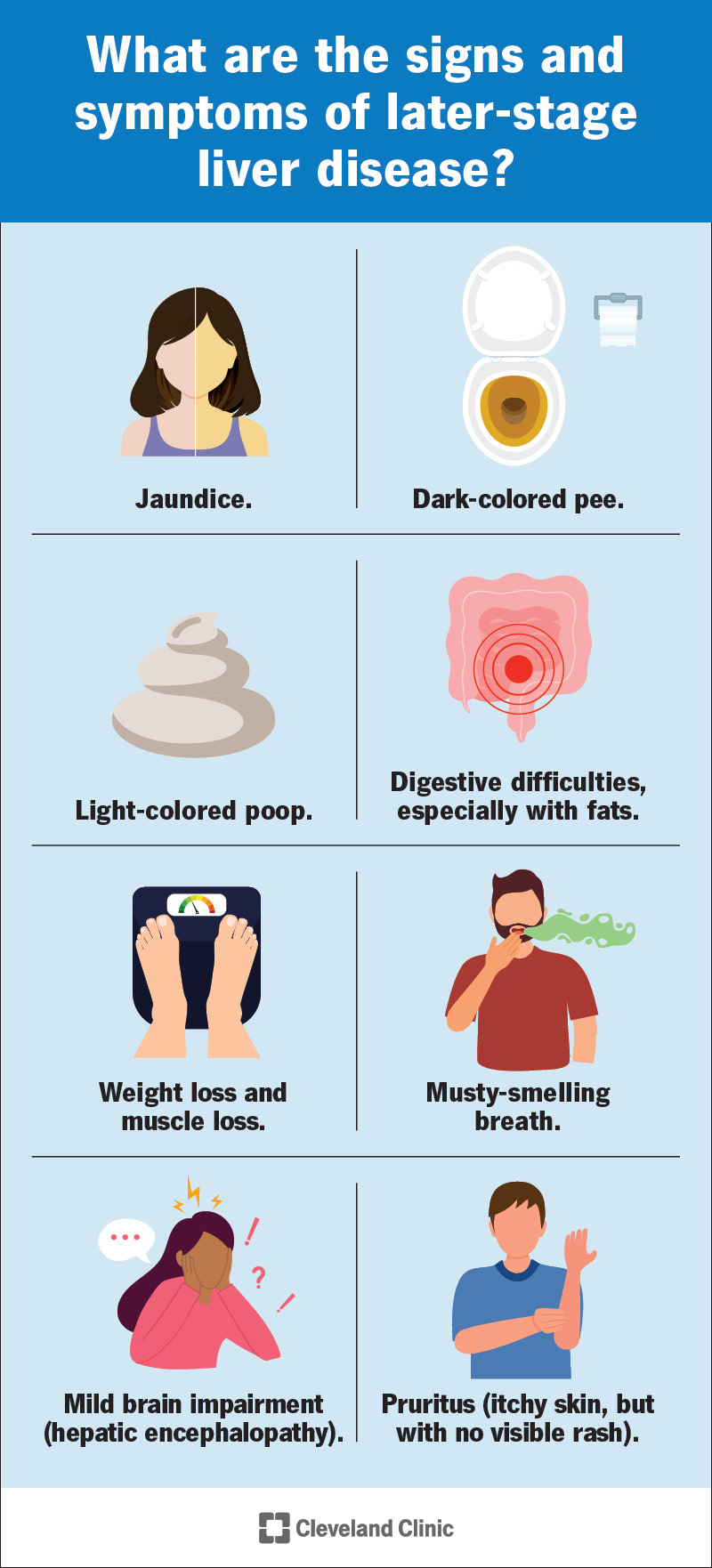
This happens when bile salts build up in the bloodstream because the liver can no longer process them effectively. Over time, the skin may also become dry, irritated, or develop a slightly yellow or dull tone. If itching lasts for weeks with no clear cause, it’s not “just dry skin.” It’s a red flag.


2. Yellowing of the Skin and Eyes (Jaundice)
Jaundice is one of the most recognizable signs of advanced liver disease. It causes the whites of the eyes and the skin to turn yellow. This happens when bilirubin, a yellow pigment produced during the breakdown of red blood cells, builds up in the body.
A healthy liver processes and removes bilirubin. A damaged liver cannot. Jaundice is often accompanied by dark urine and pale or clay-colored stools. Once jaundice appears, the liver is usually under significant stress and medical evaluation should happen immediately.
3. Unexplained Fatigue and Weakness
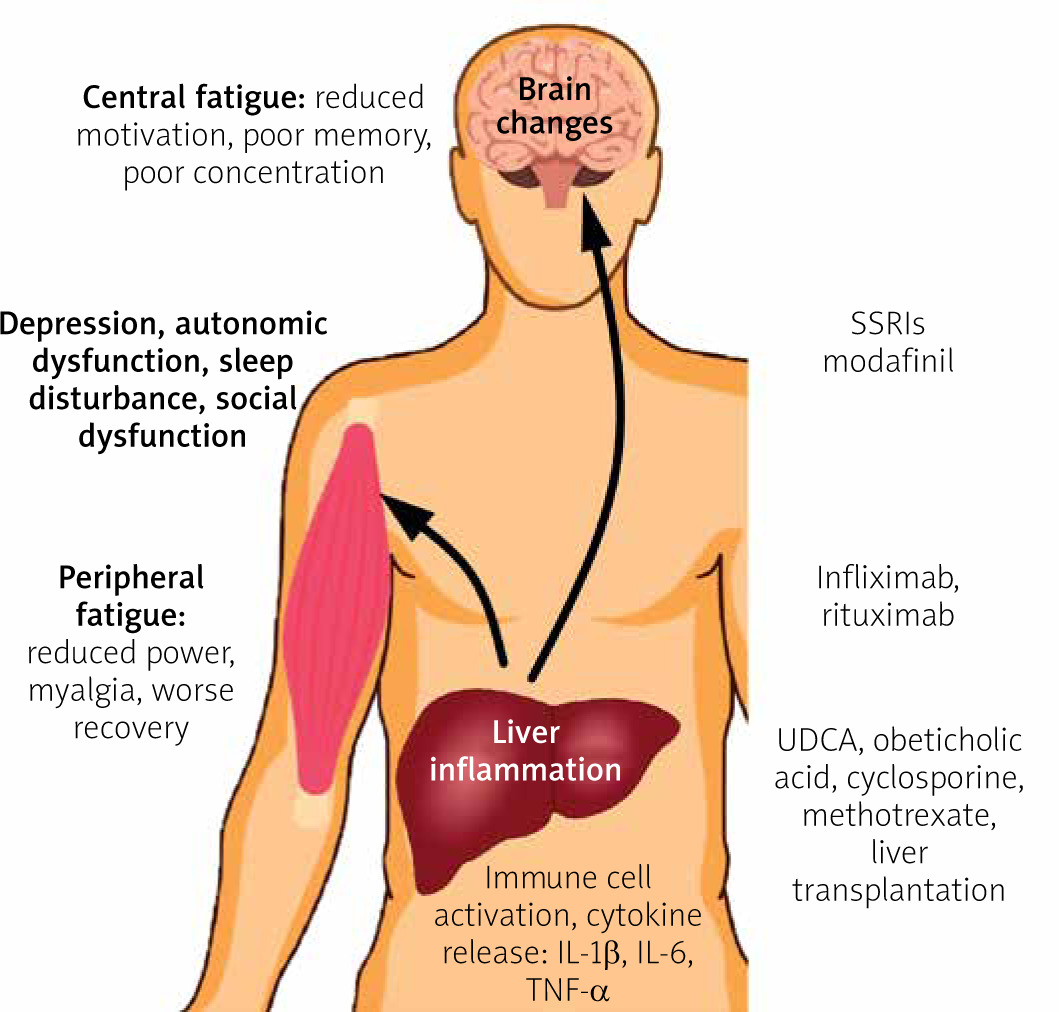
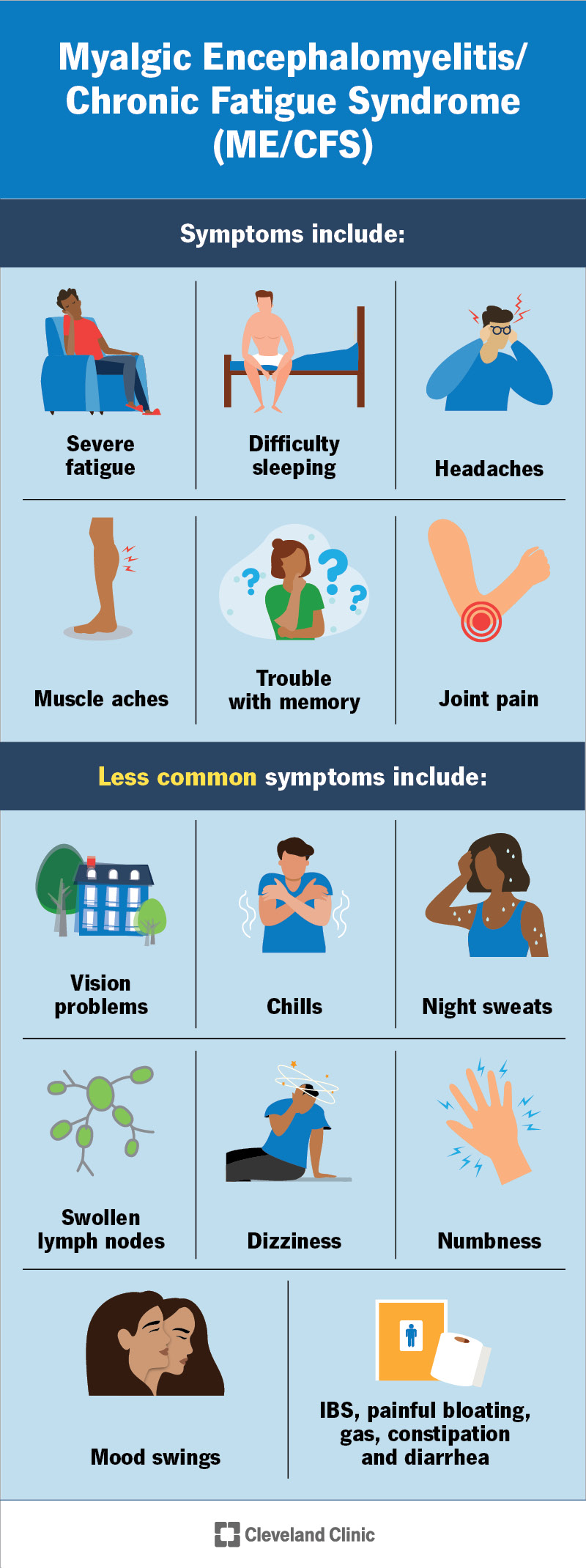
Feeling tired after a long day is normal. Feeling exhausted all the time — even after rest — is not. Chronic fatigue is one of the most common symptoms in people with severe liver conditions.
When the liver is damaged, it cannot properly store energy, regulate nutrients, or remove toxins from the blood. As a result, the body feels constantly drained. Many people describe it as a deep, heavy fatigue that sleep doesn’t fix. If weakness interferes with daily life, it deserves attention.
4. Abdominal Pain and Swelling
Pain or discomfort in the upper right side of the abdomen — just below the ribs — can be a sign of liver inflammation or enlargement. As liver disease progresses, fluid may also build up in the abdomen, a condition known as ascites.
This swelling can make the stomach appear bloated or stretched and may be accompanied by shortness of breath or discomfort when lying down. Abdominal swelling is not just cosmetic; it often indicates advanced liver dysfunction and increased pressure in the blood vessels around the liver.
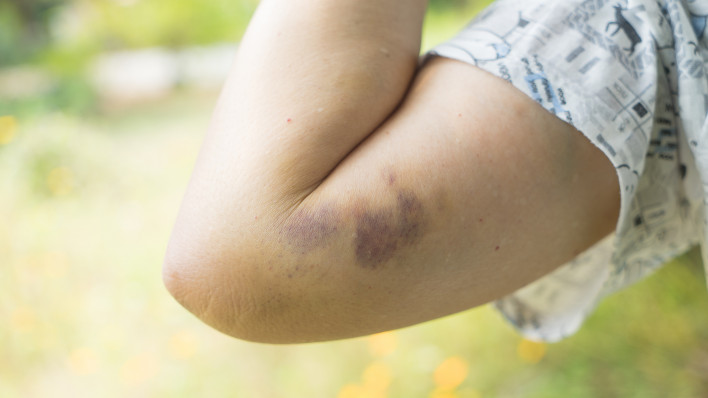
5. Easy Bruising and Bleeding
The liver produces proteins that help blood clot. When it fails to do so, even minor bumps can result in noticeable bruises. Nosebleeds, bleeding gums, or prolonged bleeding from small cuts may also occur.
This symptom is especially dangerous because it increases the risk of internal bleeding. If bruises appear frequently without clear injury, or bleeding seems harder to stop, the liver’s ability to support normal blood function may already be compromised.


Why Early Action Matters
The liver has an incredible ability to repair itself — but only up to a point. Once damage becomes severe, treatment options become more limited and outcomes more serious. Many advanced liver conditions can be managed or slowed if caught early, but delays reduce those chances significantly.
If even one of these warning signs appears, especially in combination, seeing a doctor is not optional. Blood tests, imaging, and early intervention can make a life-changing difference.
Your body is always talking. When the liver starts sending distress signals, listening could save your life.