Crispy fried foods such as French fries, spring rolls, and grilled or pan-fried meats are undeniably tempting. Their rich flavor and satisfying
texture make them a favorite in many meals. However, behind that appeal lies a hidden cost—extra strain on the liver.
When the body regularly takes in large amounts of oil and fat, the liver must work overtime to process and break them down. Over time, this
can raise levels of bad cholesterol in the blood, encouraging fat to accumulate in liver cells. If this pattern continues unchecked, it may lead to
fatty liver disease and, in more severe cases, long-term liver damage such as cirrhosis.
Research has shown that people who frequently consume fried foods face a significantly higher risk of developing liver-related conditions
compared to those who follow a more balanced diet. One study even suggests that the risk may be several times higher. A simple but
powerful step toward protecting the liver is to reduce fried foods and choose gentler cooking methods instead—such as steaming, boiling,
baking, or light grilling—which place far less stress on this vital organ.
1. Sugar and Sweets – The Silent Threat to the Liver
A few pieces of candy, a slice of cake, or a cup of bubble tea may seem harmless, but sugar can quietly cause serious trouble for the liver.
Excess sugar—especially fructose—is rapidly converted into fat in the liver. When consumed in large or frequent amounts, it promotes fat
buildup, interferes with normal liver function, and increases the risk of fatty liver disease.
What makes sugar especially dangerous is how easily it slips into daily life. Sweet drinks, desserts, flavored yogurts, and even packaged snacks
can push sugar intake far beyond healthy limits without you realizing it.
Reducing sugar doesn’t mean giving up enjoyment altogether. Try replacing sugary beverages with water, unsweetened herbal teas, or whole
fruits instead of processed sweets. These small changes not only help protect the liver but also improve energy levels, digestion, and overall
metabolic health.
2. Canned and Processed Foods – Forcing the Liver to Work Overtime
In today’s fast-paced lifestyle, canned and processed foods such as sausages, pâté, cold cuts, and ready-to-eat meals are often chosen for
convenience. Unfortunately, these foods typically contain high levels of preservatives, salt, unhealthy fats, and chemical additives.
The liver is responsible for filtering toxins from the body, and a steady intake of processed foods increases this burden significantly. Over time,
this constant detoxification demand can weaken liver function and contribute to inflammation.
Preparing simple home-cooked meals—even basic ones—can make a meaningful difference. Fresh ingredients allow the liver to function
more efficiently and reduce long-term stress on the body. A little extra time in the kitchen can translate into years of better liver health.
3. Coffee and Carbonated Drinks – Moderation Matters
For many people, coffee is a daily ritual. In moderate amounts, it can be part of a healthy lifestyle. However, excessive coffee consumption
may place additional pressure on the liver, which must metabolize caffeine and other compounds.
At the same time, carbonated and sugary drinks pose an even greater concern. These beverages often contain large amounts of sugar,
artificial sweeteners, and preservatives—all of which contribute to fat accumulation and metabolic stress in the liver.
To reduce potential harm, it’s wise to keep coffee intake within reasonable limits—generally no more than two to three cups per day—and
replace sugary soft drinks with water, infused water, or natural juices in moderation.
4. Red Meat – Nutritious but Heavy on the Liver
Red meat such as beef and pork provides valuable protein and essential nutrients, but consuming it too frequently can challenge liver health.
Red meat is typically high in saturated fat, which raises blood cholesterol levels and encourages fat storage in the liver.
Rather than eliminating red meat entirely, balance is key. Alternate it with other protein sources such as fish, eggs, legumes, tofu, and plant-
based proteins. This variety gives the liver time to recover and prevents excessive fat buildup.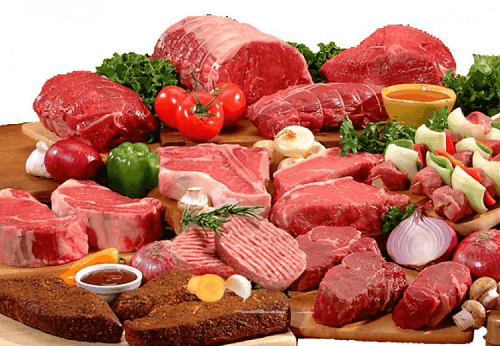
5. Protecting Your Liver Is an Investment in the Future
The liver is one of the hardest-working organs in the body, yet it is also highly sensitive to lifestyle choices. The good news is that liver health
can often improve when harmful habits are reduced early.
You don’t need extreme restrictions to make a difference. Small, consistent adjustments—less fried food, reduced sugar, fewer processed
meals, and balanced protein intake—can significantly ease the liver’s workload. Combine these changes with regular physical activity,
adequate hydration, quality sleep, and stress management for the best results.
A healthy liver supports digestion, metabolism, immunity, and overall vitality. Taking care of it today is an investment in long-term well-being
—one that can prevent serious health issues and improve quality of life in the years ahead.