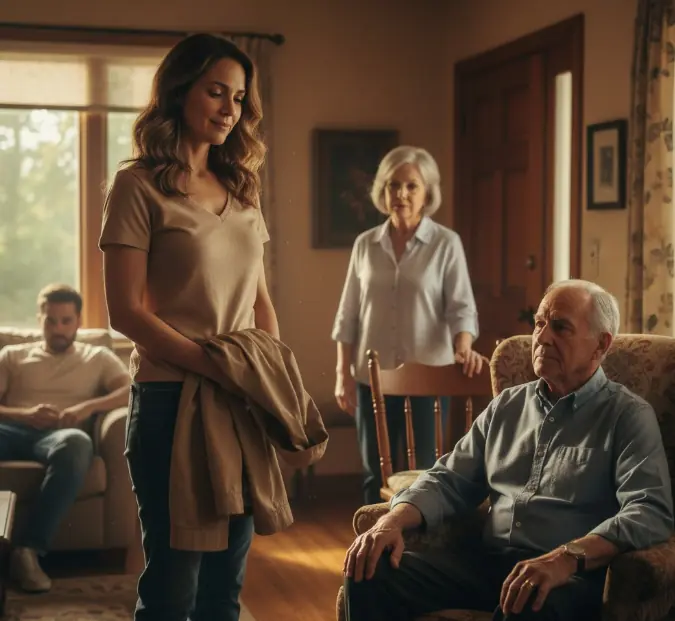
I finally understood my family when i stopped expecting them to change
I finally understood my family when i stopped expecting them to change
After the divorce i had to learn how to be a family in a new way
The first Saturday morning in my new apartment felt unnervingly quiet. In the old house, Saturdays were a cacophony of cartoon theme songs, the smell of burnt toast, and the frantic search for missing soccer cleats. Here, the sunlight hit a pristine hardwood floor that didn't yet have any scuff marks from toy trucks. I sat at my small kitchen table with a cup of coffee, staring at the empty chair across from me, realizing that the hardest part of the divorce wasn't the ending of the marriage—it was the beginning of a family structure I hadn't been prepared for.
When Mark and I decided to separate, we made a silent pact that the bridge between our two homes would be built on respect. We didn't want our seven-year-old daughter, Chloe, to feel like she was living in two different worlds; we wanted her to feel like she had one big life that just happened to have two addresses.
But the theory of "co-parenting" is much easier than the daily practice of it.
The first month was a lesson in emotional recalibration. Every Sunday evening, when Mark pulled into the driveway to drop Chloe off, I felt a familiar tightening in my chest. It wasn't anger, but a strange, lingering sadness for the version of "us" that no longer existed. We had to learn a new language—one that bypassed the old triggers and focused solely on Chloe’s spelling tests, her dental appointments, and her newfound obsession with space exploration.
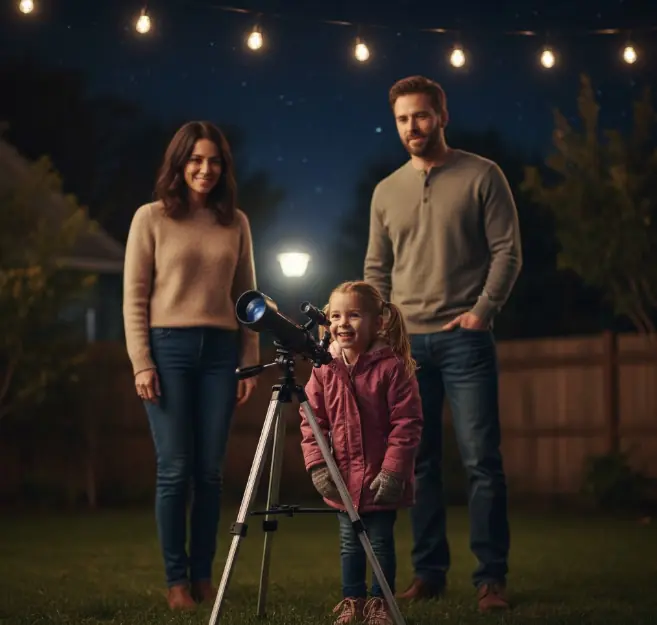
I remember a specific Tuesday when Chloe left her favorite telescope at Mark’s house. She was devastated, her small face crumpled in tears because she wanted to see the moon that night. Usually, this would have been a moment of frustration for me—a reason to be annoyed at Mark for forgetting to pack it.
Instead, I took a breath. I called him.
"She’s really missing the telescope," I said, keeping my voice neutral and light. "Do you think you could drop it by on your way to work tomorrow? Or I can come swing by later tonight?"
"I’ll bring it over now," Mark replied. "I didn't realize she was so upset. Give her five minutes."
When he arrived, he didn't just drop the telescope at the door. He stayed for ten minutes to help her calibrate the lens, and I offered him a glass of water. We stood in the backyard, two people who had once shared a life, watching our daughter look at the stars. It wasn't the "family" I had envisioned when I got married, but in that moment, with the crickets chirping and Chloe’s excited shouts about "lunar craters," it felt like a family nonetheless.
Redefining our routines meant finding beauty in the transitions. I started a tradition where Chloe and I would have "New Chapter Tacos" on her first night back with me. We would talk about the fun things she did with her dad, and I made a conscious effort to listen with genuine interest. I learned that my love for my daughter had to be bigger than my disappointment with her father.
Gradually, the emotional exhaustion began to lift, replaced by a steady, quiet resilience. I discovered that I was capable of managing a household on my own—fixing leaky faucets, balancing the budget, and creating a sanctuary that reflected my own spirit. I wasn't just "half" of a parenting duo anymore; I was a whole person, and that wholeness made me a better mother.
Mark and I eventually developed a shared digital calendar. We coordinated Halloween costumes through text threads that were devoid of the old sarcasm. We attended parent-teacher conferences sitting side-by-side, not as a united front against the world, but as a united front for Chloe.
One afternoon, I watched Chloe drawing a picture at the kitchen table. She drew a house with two doors and a long, colorful path connecting them. In the middle of the path, she drew herself, smiling, with a hand reaching toward each side.
"Is that us?" I asked, smoothing her hair.
"Yeah," she said, without looking up. "It’s like a big bridge. I have a lot of room to run."
Her words stayed with me. Stability, I realized, isn't about the absence of change; it's about the presence of peace. Our family hadn't been broken; it had been rearranged. It had been expanded to include more space for growth, more opportunities for individual happiness, and a deeper understanding of what it means to truly cooperate.
Life after divorce is a series of "new firsts." The first holiday alone, the first solo vacation, the first time you realize you’re actually okay. But the most important "first" was the moment I stopped mourning the family we used to be and started celebrating the family we were becoming. We are resilient, we are maturing, and most importantly, we are still a team. The path between the two doors is well-worn and bright, and for the first time in a long time, the quiet in my apartment doesn't feel lonely—it feels like a fresh start.
I finally understood my family when i stopped expecting them to change
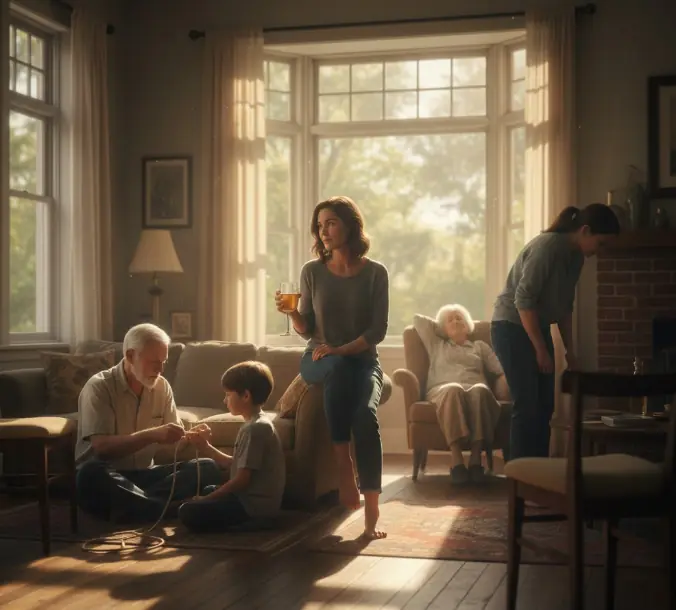
One family gathering forced me to see everyone including myself differently
The oldest child and the weight of being strong
When my parents got older our relationship quietly changed forever
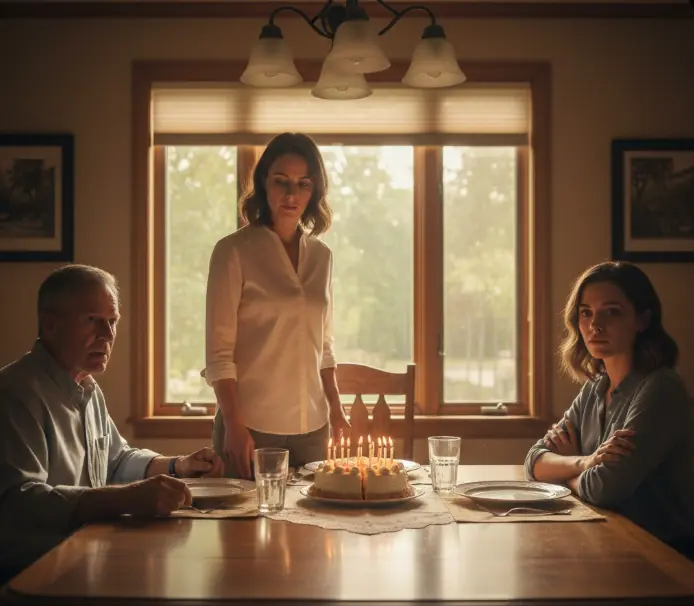
I always tried to keep the peace in my family until i couldn’t anymore
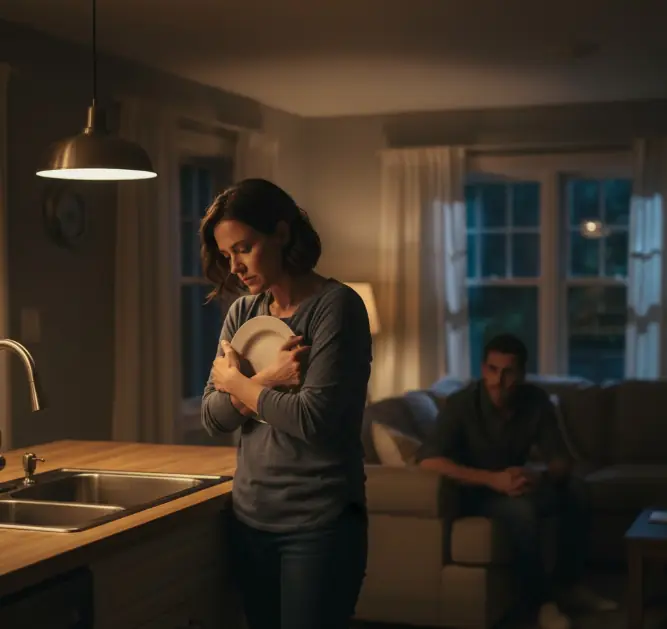
I didn’t realize my childhood still shaped my marriage until one night
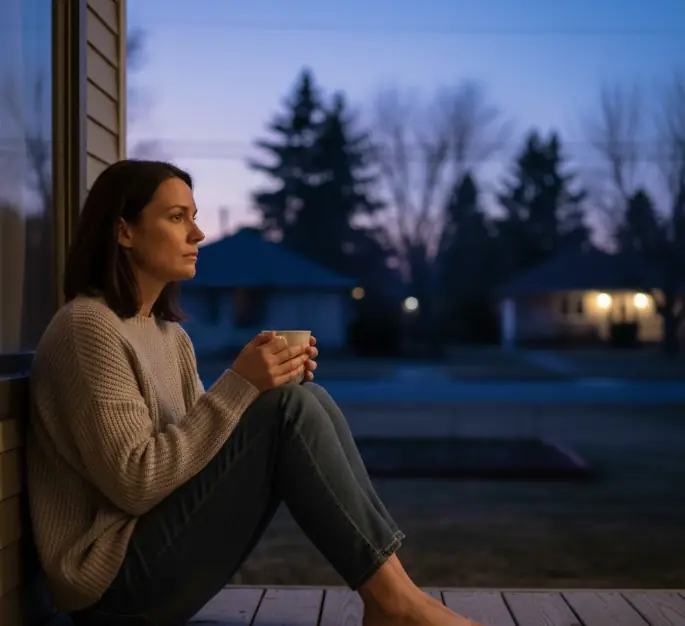
I loved my family deeply but i didn’t know how tired i had become
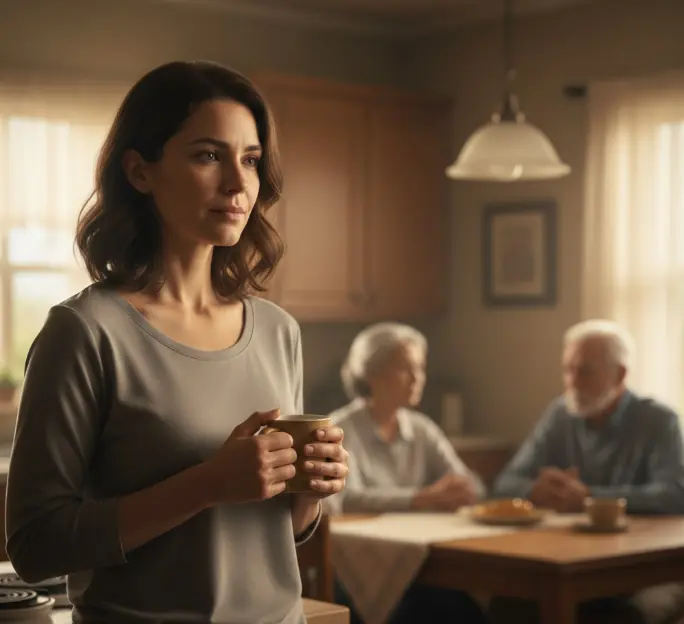
I never thought living with my in-laws would slowly change who i was
I’m entitled to property,” Georgy declared. “What property? Are you out of your mind or something?” Polina didn’t understand.
My Husband Made a List of Our Property—So I Took Out My Mother’s Will, and He Went Pale
— “Igor, you promised me your parents wouldn’t set foot in our home again after the last scandal! So why are they coming here again?!”
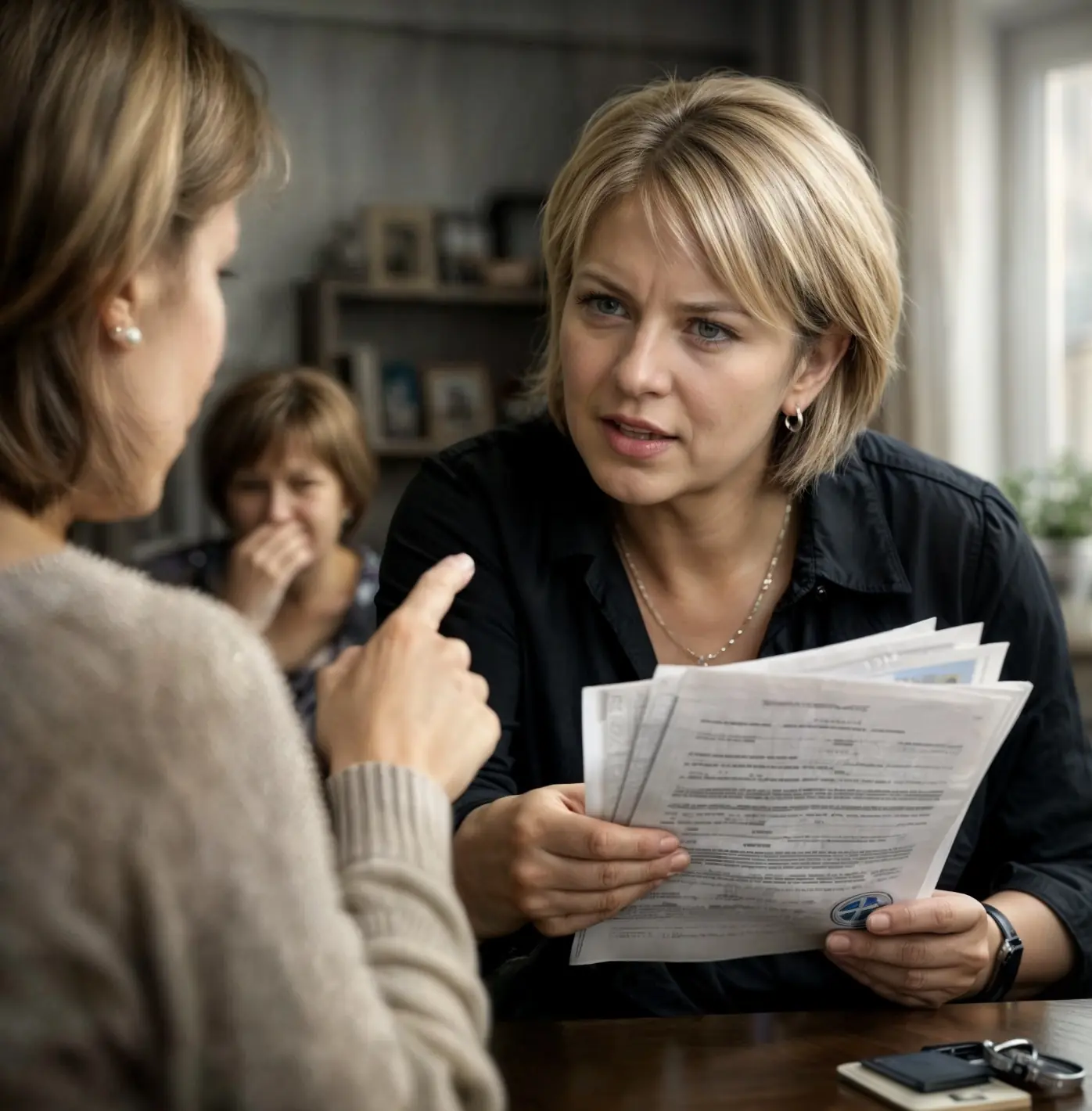
— “Let your mother look over the documents first before she opens her mouth,” Nadezhda said. “The apartment is registered in my name.”
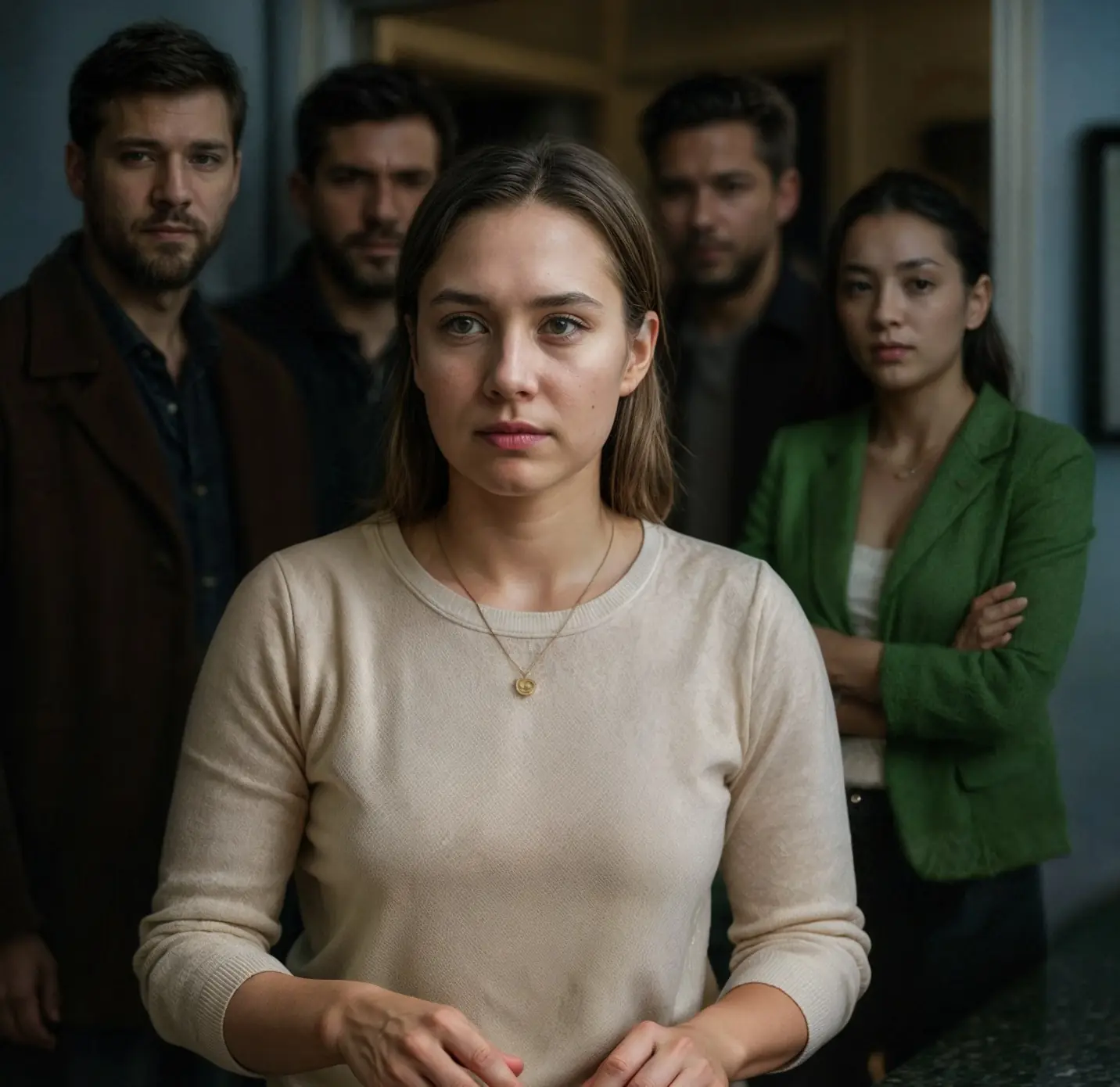
No, I’m not going to cook for you. If you want, I can pour you some water,” I calmly told my husband’s relatives, who had shown up without warning.
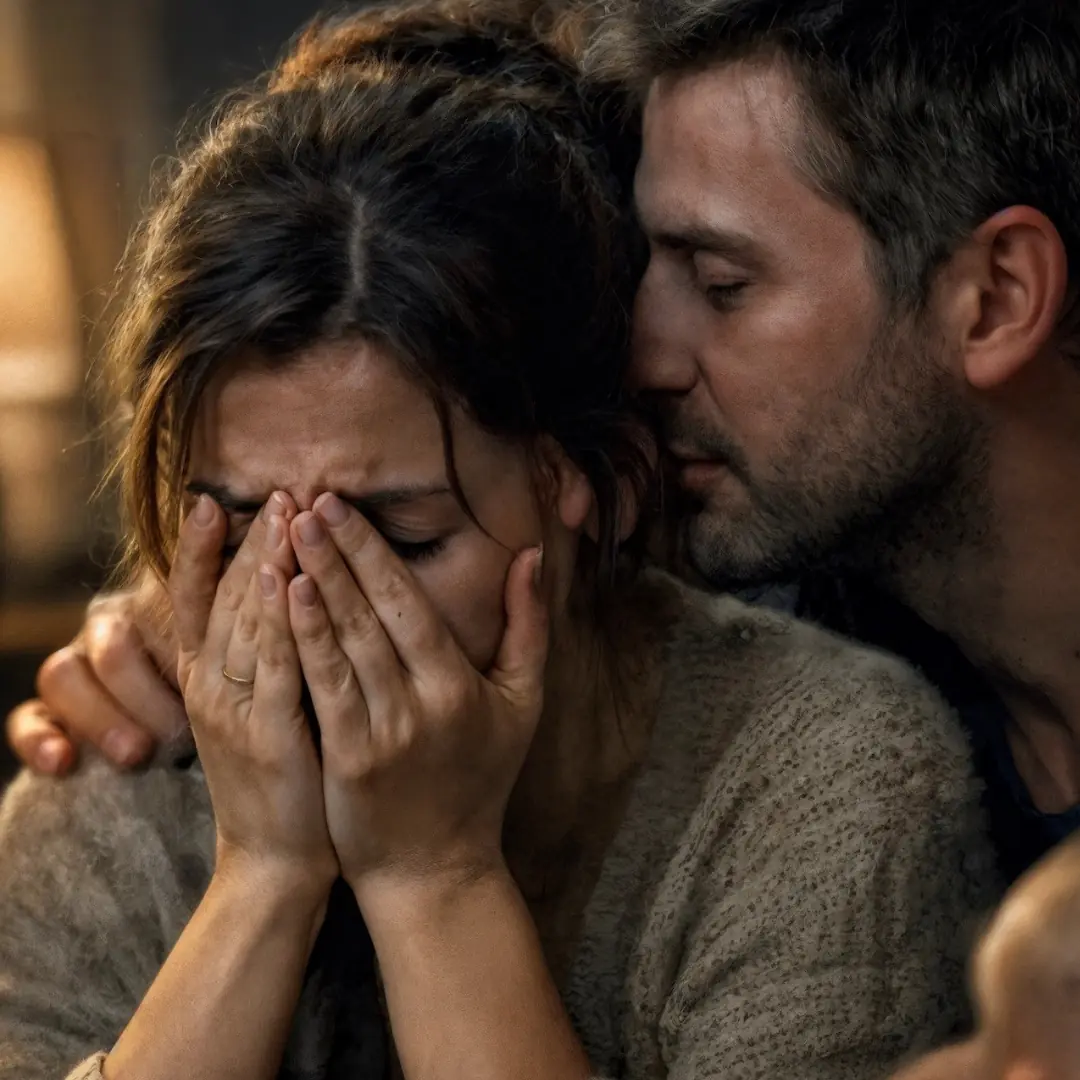
The sheet of paper lay on the kitchen oilcloth—white and alien among the familiar mugs and bread crumbs
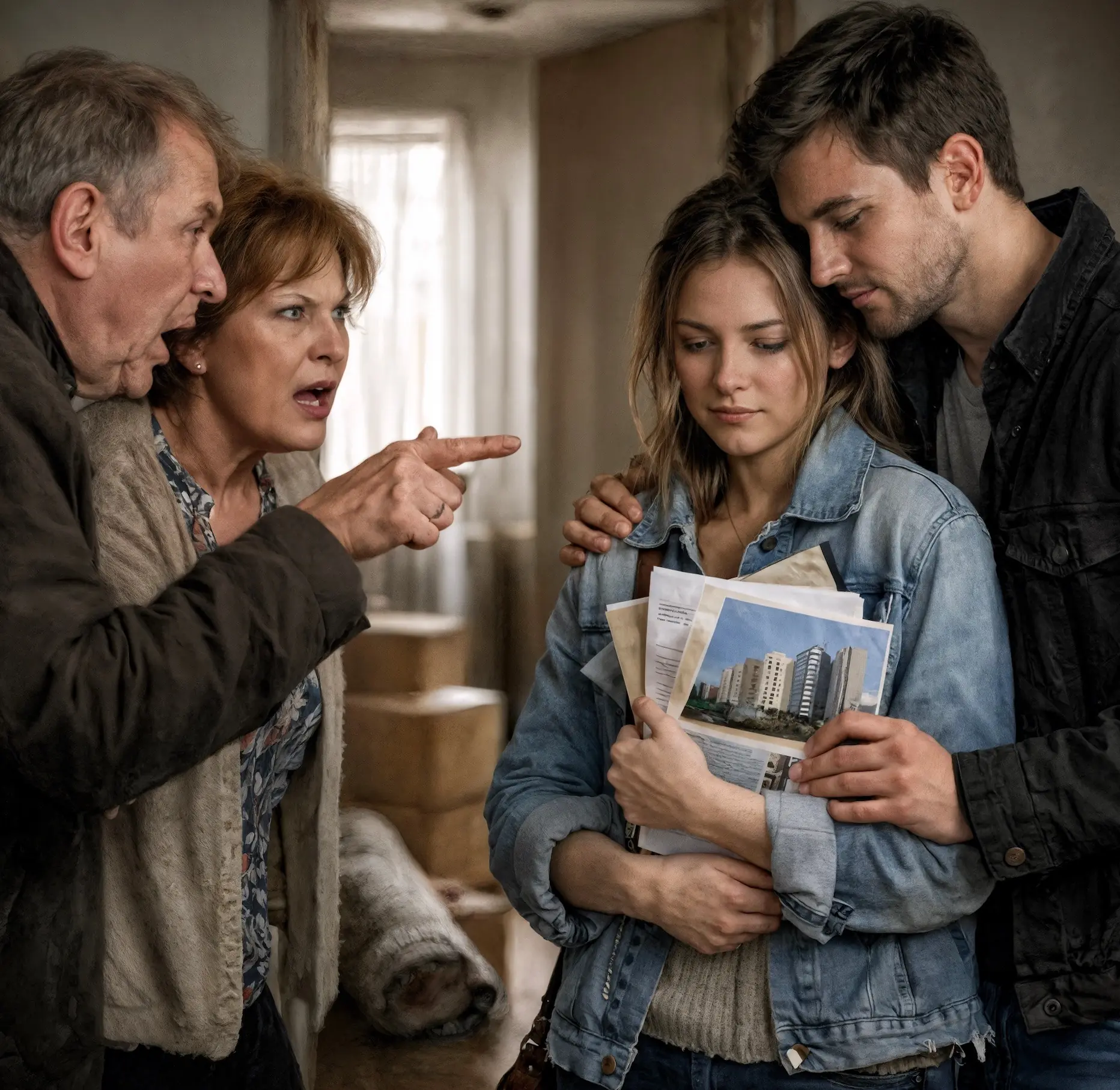
“How are you buying an apartment? After everything we’ve done for you! Traitors!” his parents-in-law raged

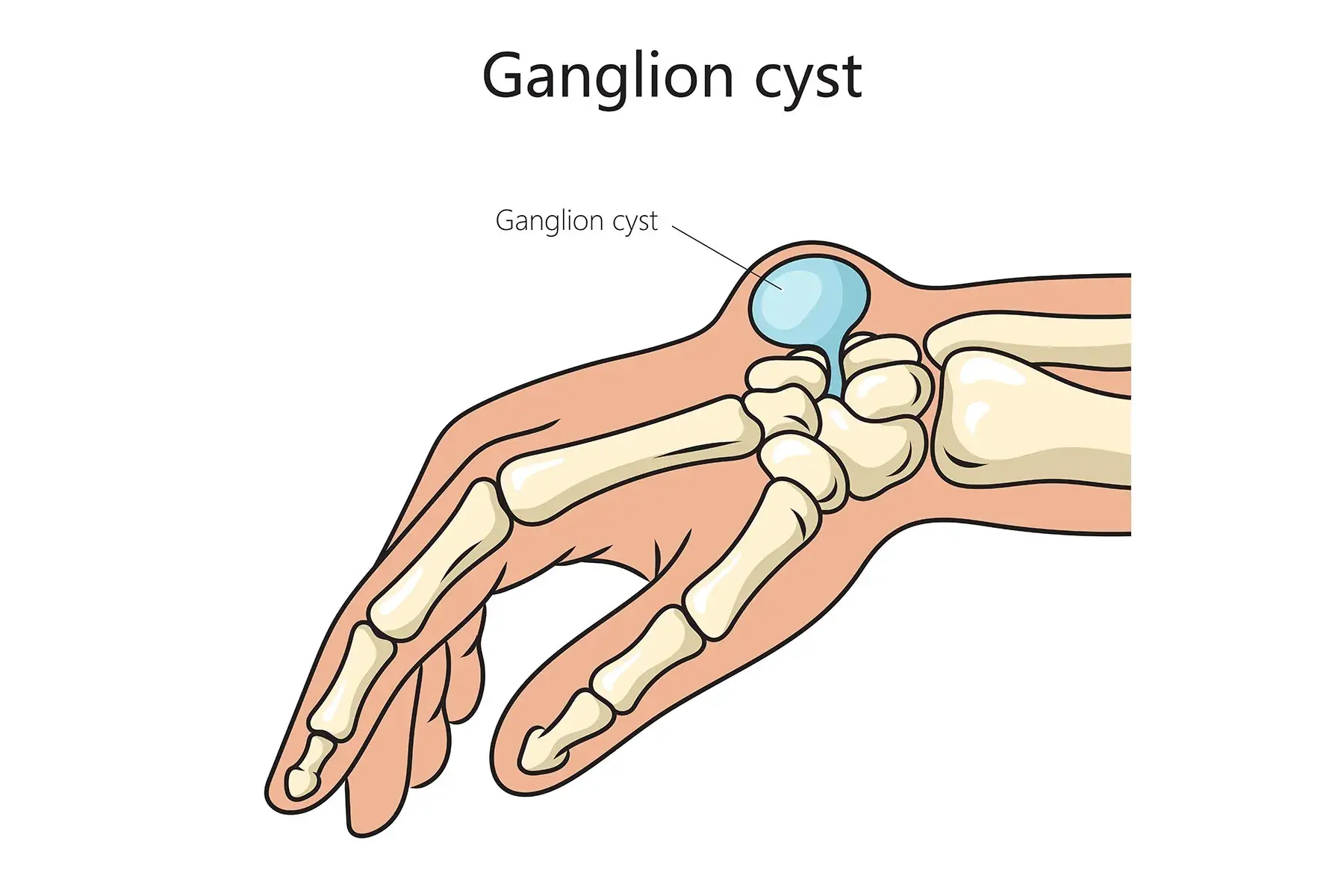
An Unusual Lump on the Wrist? Don’t Ignore It — It Could Signal a Serious Condition
I finally understood my family when i stopped expecting them to change

Itching in 9 areas of the body: When it could be a warning sign of serious illness

5 Common Foods That Can Harm Your Liver
One family gathering forced me to see everyone including myself differently
The oldest child and the weight of being strong
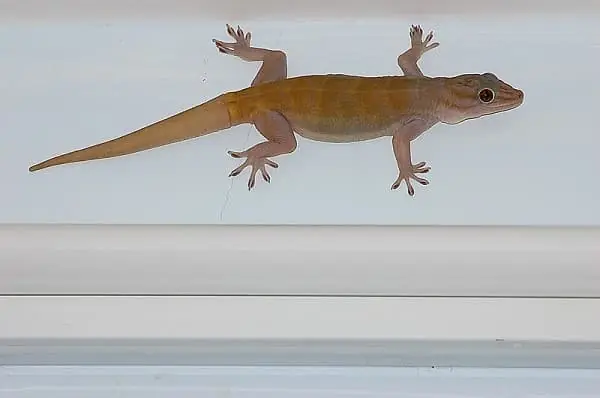
When a Lizard Appears in Your Home, It May Be Trying to Tell You Something…
When my parents got older our relationship quietly changed forever
I always tried to keep the peace in my family until i couldn’t anymore
I didn’t realize my childhood still shaped my marriage until one night

BE CAREFUL If You Get These Bruis:es On Your Body. Here's What It Means
I loved my family deeply but i didn’t know how tired i had become
I never thought living with my in-laws would slowly change who i was

Crispy cauliflower proves plant-based food can be bold and addictive.
I’m entitled to property,” Georgy declared. “What property? Are you out of your mind or something?” Polina didn’t understand.
My Husband Made a List of Our Property—So I Took Out My Mother’s Will, and He Went Pale
— “Igor, you promised me your parents wouldn’t set foot in our home again after the last scandal! So why are they coming here again?!”
— “Let your mother look over the documents first before she opens her mouth,” Nadezhda said. “The apartment is registered in my name.”