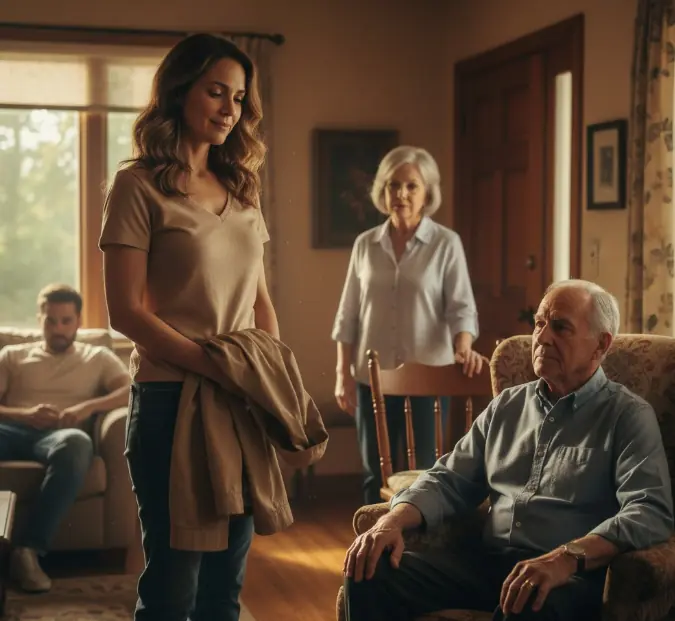
I finally understood my family when i stopped expecting them to change
I finally understood my family when i stopped expecting them to change
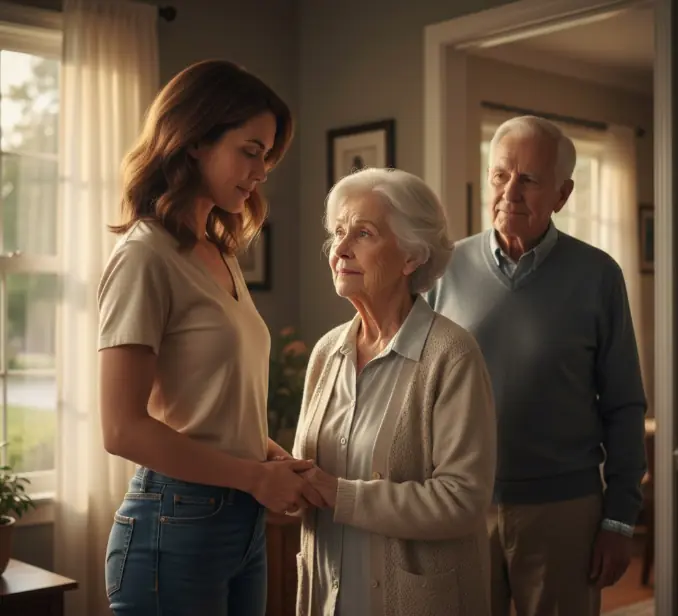
When my parents got older our relationship quietly changed forever
The realization didn't arrive with a sudden crash or a dramatic medical emergency. It came in the quiet, mundane space of a Saturday afternoon in my childhood kitchen in Ohio. I was watching my father—a man who had once built our backyard deck with his own two hands and navigated complex corporate mergers with clinical precision—stare at the back of a new microwave oven with a look of genuine, soft-eyed confusion.
"The buttons," he murmured, his thumb hovering over the glass panel. "They don't click anymore, Sarah. How do I know if I’ve pushed it?"
In that moment, the air in the room seemed to shift. For thirty years, my father had been the person I went to when I needed the world explained. He was the navigator, the fixer, the steady hand on the rudder. But as I walked over and gently guided his finger to the "Start" sensor, I felt a strange, internal tilt. The hierarchy of my entire life was beginning to invert. I wasn't just his daughter anymore; I was becoming his witness, and in some small ways, his guide.
The aging of parents is a slow, rhythmic transition of roles. It happens in the subtle changes in our communication. Our phone calls, which used to be filled with me asking for advice on my mortgage or my career, started to pivot. Now, the questions were reversed. "What do you think of this letter from the insurance company?" or "Can you help me remember the name of that neighbor who moved away in 1998?"
I found myself practicing a new kind of patience—a quiet, deliberate slowing of my own internal tempo. I learned to wait an extra ten seconds for my mother to finish a sentence as she searched for a specific word that was sitting just out of her reach. I learned that she wasn't asking for me to finish the sentence for her; she was asking for the space to find it herself.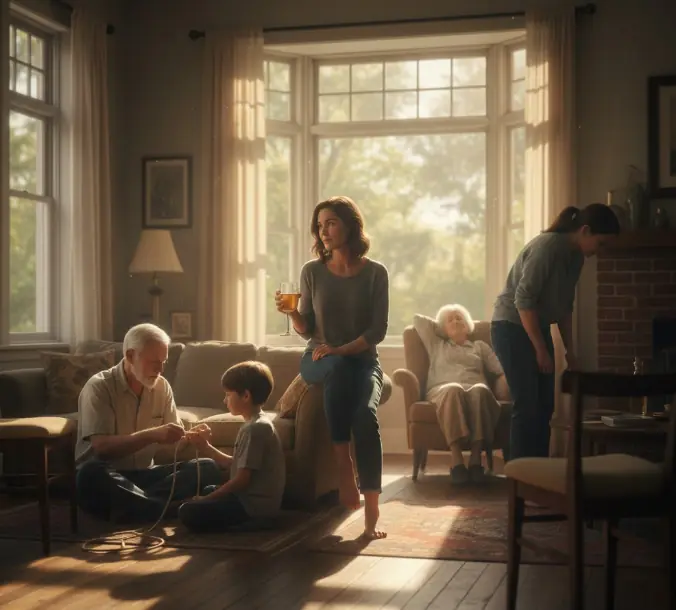
There is a unique kind of intimacy that grows in this season of life. It is an emotional closeness stripped of the old power dynamics of childhood. When we are young, we see our parents as giants—perfect, infallible, and perhaps a bit formidable. As they age, the "giant" fades, revealing the human being underneath. I began to see my mother not just as the woman who raised me, but as a woman who loved poetry, who had once been a talented pianist, and who now felt a little bit vulnerable in a world that was moving too fast.
One evening, my mother and I were sitting on the porch as the fireflies began to blink in the tall grass. She reached over and took my hand. Her skin felt like fine silk, thin and delicate, revealing the map of blue veins beneath.
"I’m sorry if I’m becoming a bit of a burden, honey," she said softly, her eyes fixed on the horizon.
The word burden stung. It was a reflection of her fear of losing the independence she had cherished for seven decades. I squeezed her hand, feeling the weight of all the years she had held mine—through scraped knees, broken hearts, and the terrifying uncertainty of my early twenties.
"Mom," I said, and for the first time, my voice sounded like the adult in the room. "You spent twenty years carrying me. If the next twenty involve me carrying a few things for you, then the scales are still very much in your favor. It’s not a burden. It’s an honor."
We sat in silence for a long time after that. It was a shared, peaceful acceptance of the season we were in. We weren't mourning the past; we were honoring the present.
This shift in roles requires a specific type of emotional maturity. It requires us to let go of the version of our parents we want them to be and embrace who they are now. I had to stop being frustrated that my father couldn't keep up with his email, and instead, start enjoying the way he could still tell a joke with perfect comedic timing. I had to stop seeing their physical decline as a loss and start seeing their emotional presence as a gift.
I began to notice the beauty in the small responsibilities. Driving them to their appointments became a time for long, rambling stories about their youth that I had never heard before. Helping them downsize their house became a way to sift through the treasures of our shared history, laughing over old photographs and deciding which memories were worth keeping.
Our relationship has become more honest. There is no longer a need for the "parental mask" of knowing everything, nor for the "child mask" of needing to prove oneself. We are just three people navigating the passage of time together.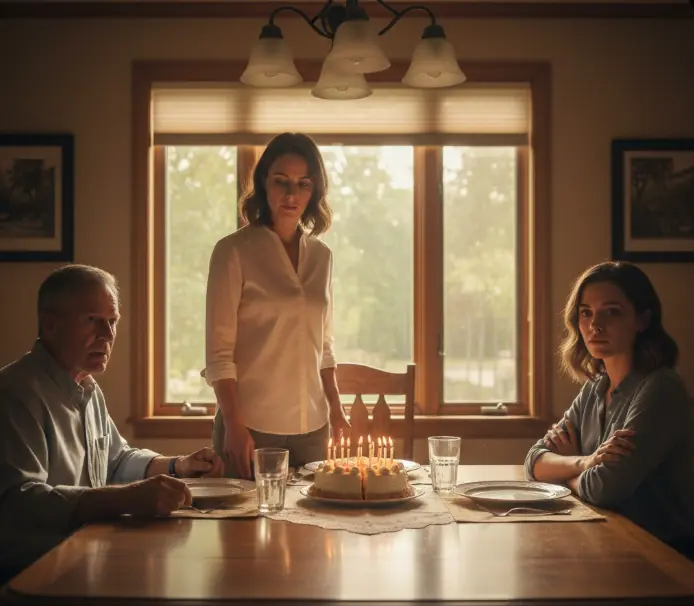
The fear that used to haunt me—the fear of them getting older—has been replaced by a deep, resonant gratitude. I am grateful that I am the one they trust to help them. I am grateful for the chance to repay a fraction of the patience they showed me when I was small and overwhelmed by the world.
As I left their house that Saturday, I looked back and saw them standing in the doorway, waving. They looked smaller than they used to, framed by the large oak trees of the yard. But the love flowing from that doorway felt larger and more profound than ever.
I realized that while our relationship has changed forever, it hasn't diminished. It has simply matured into something softer, deeper, and more resilient. I am no longer the child looking up, and they are no longer the protectors looking down. We are walking side by side now, in the gentle light of the afternoon, and there is nowhere else I would rather be.
I finally understood my family when i stopped expecting them to change
One family gathering forced me to see everyone including myself differently
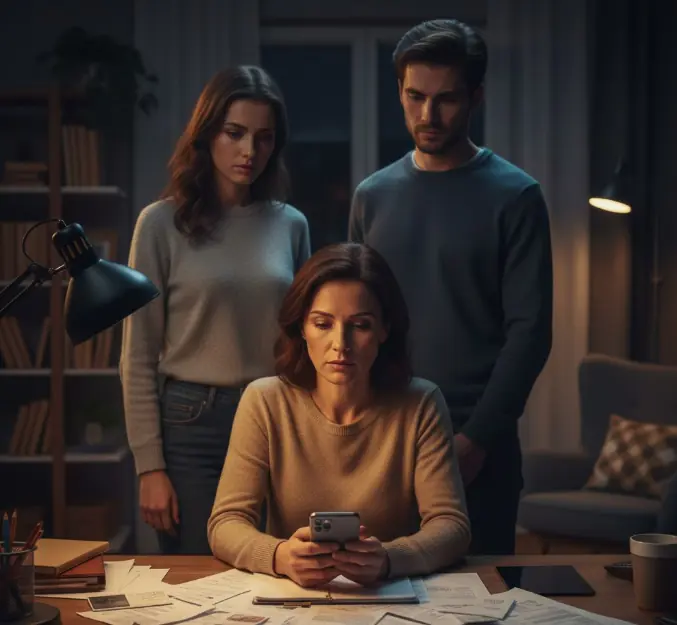
The oldest child and the weight of being strong
I always tried to keep the peace in my family until i couldn’t anymore
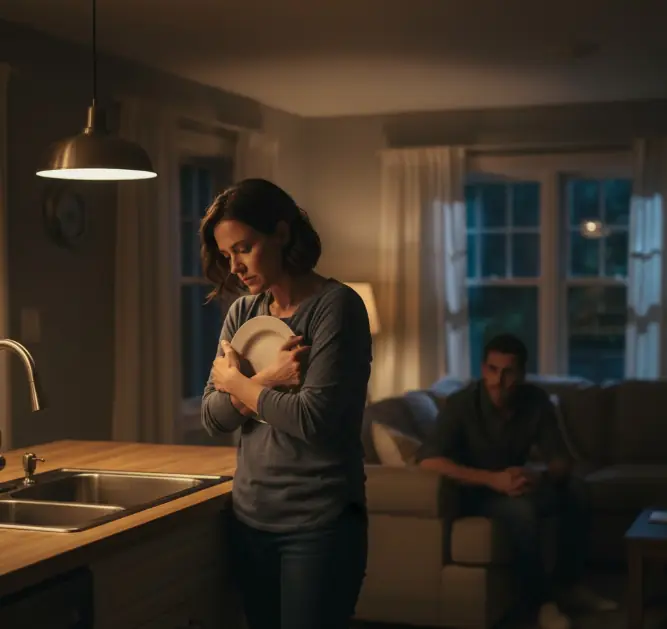
I didn’t realize my childhood still shaped my marriage until one night
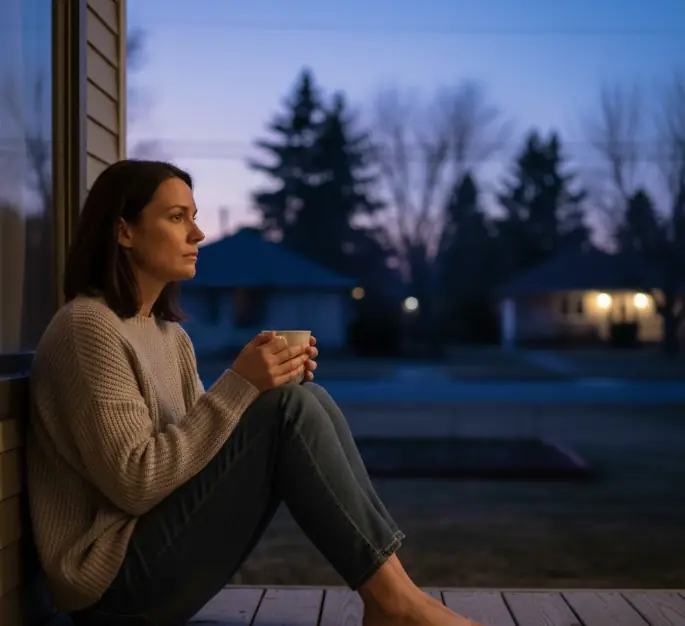
I loved my family deeply but i didn’t know how tired i had become
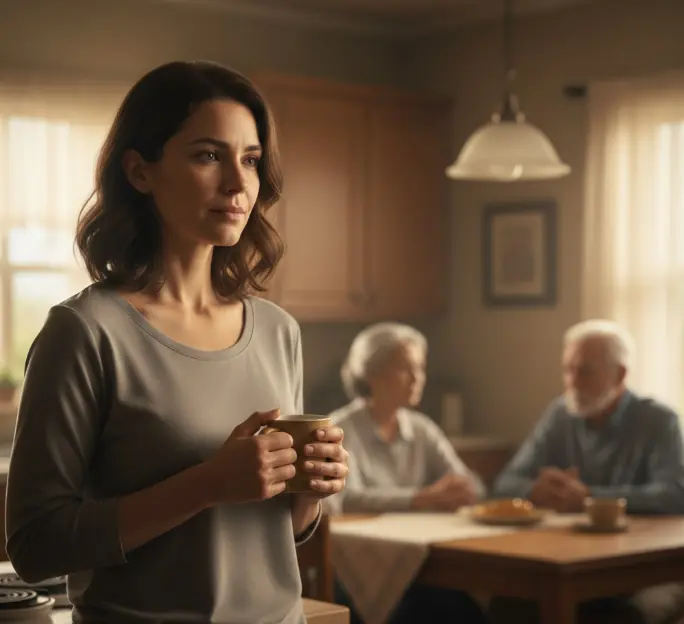
I never thought living with my in-laws would slowly change who i was
I’m entitled to property,” Georgy declared. “What property? Are you out of your mind or something?” Polina didn’t understand.
My Husband Made a List of Our Property—So I Took Out My Mother’s Will, and He Went Pale
— “Igor, you promised me your parents wouldn’t set foot in our home again after the last scandal! So why are they coming here again?!”
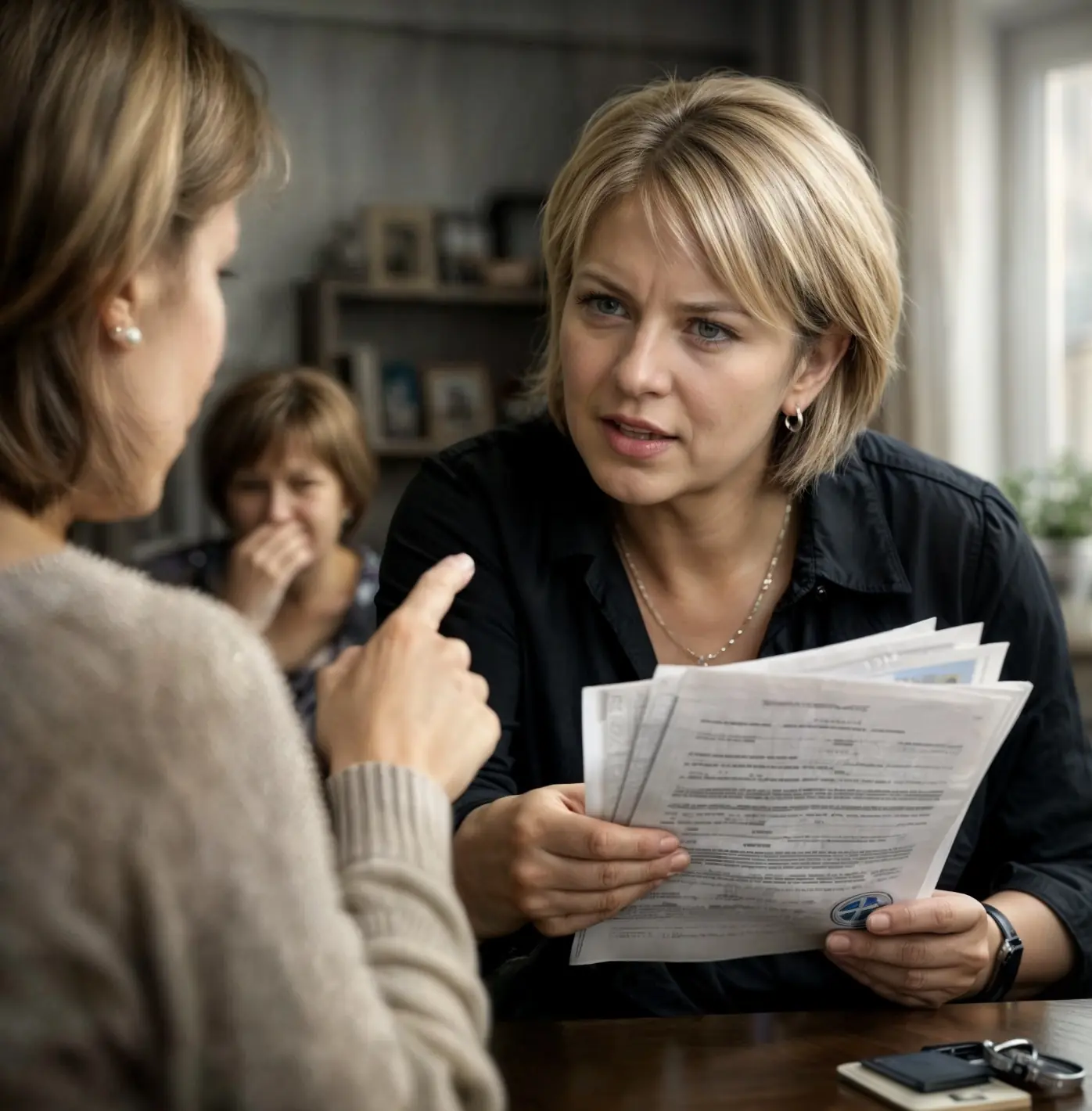
— “Let your mother look over the documents first before she opens her mouth,” Nadezhda said. “The apartment is registered in my name.”
No, I’m not going to cook for you. If you want, I can pour you some water,” I calmly told my husband’s relatives, who had shown up without warning.
The sheet of paper lay on the kitchen oilcloth—white and alien among the familiar mugs and bread crumbs
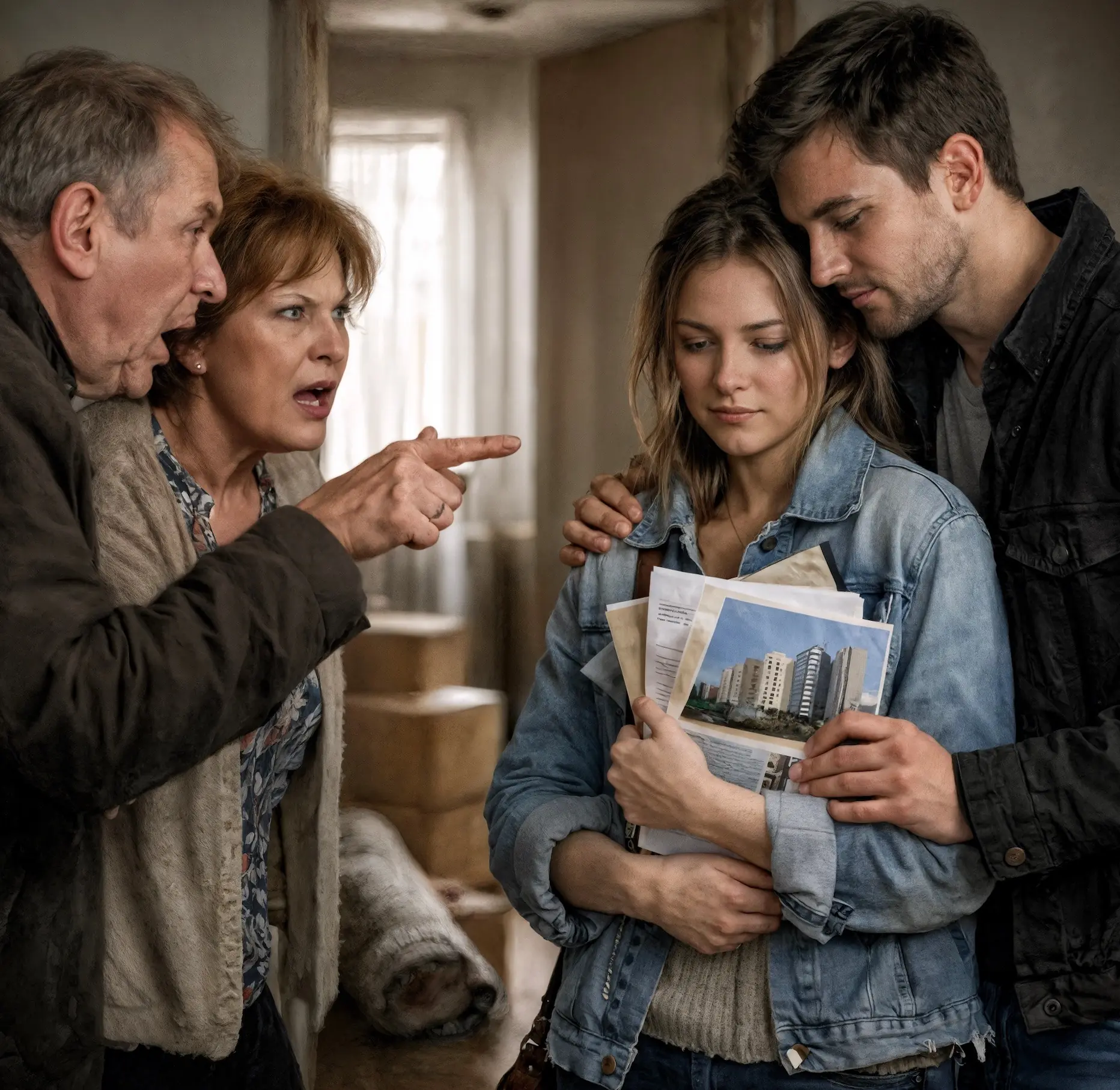
“How are you buying an apartment? After everything we’ve done for you! Traitors!” his parents-in-law raged


Don’t Panic: If a Snake Enters Your House, These Natural Repellents May Help
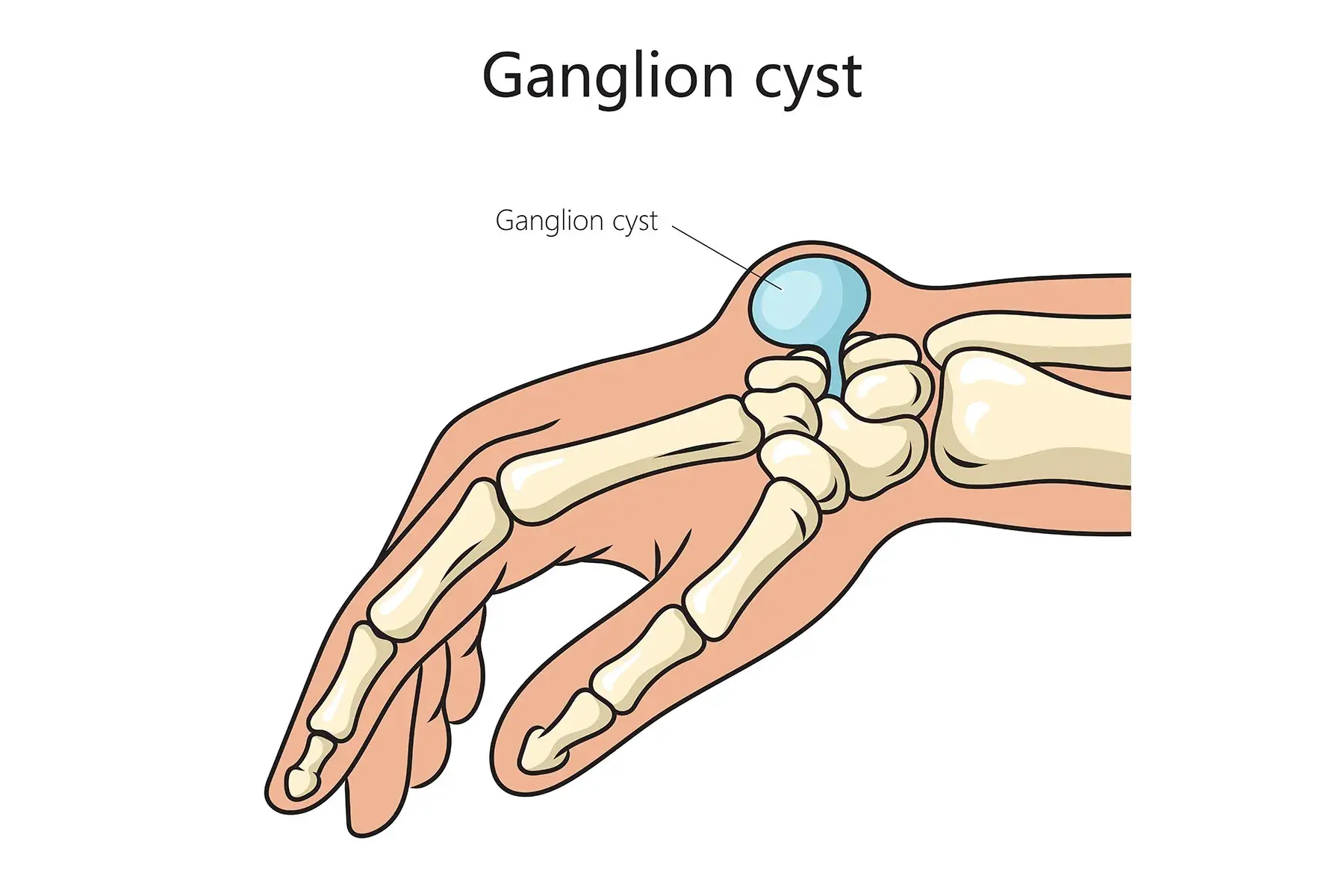
An Unusual Lump on the Wrist? Don’t Ignore It — It Could Signal a Serious Condition
I finally understood my family when i stopped expecting them to change
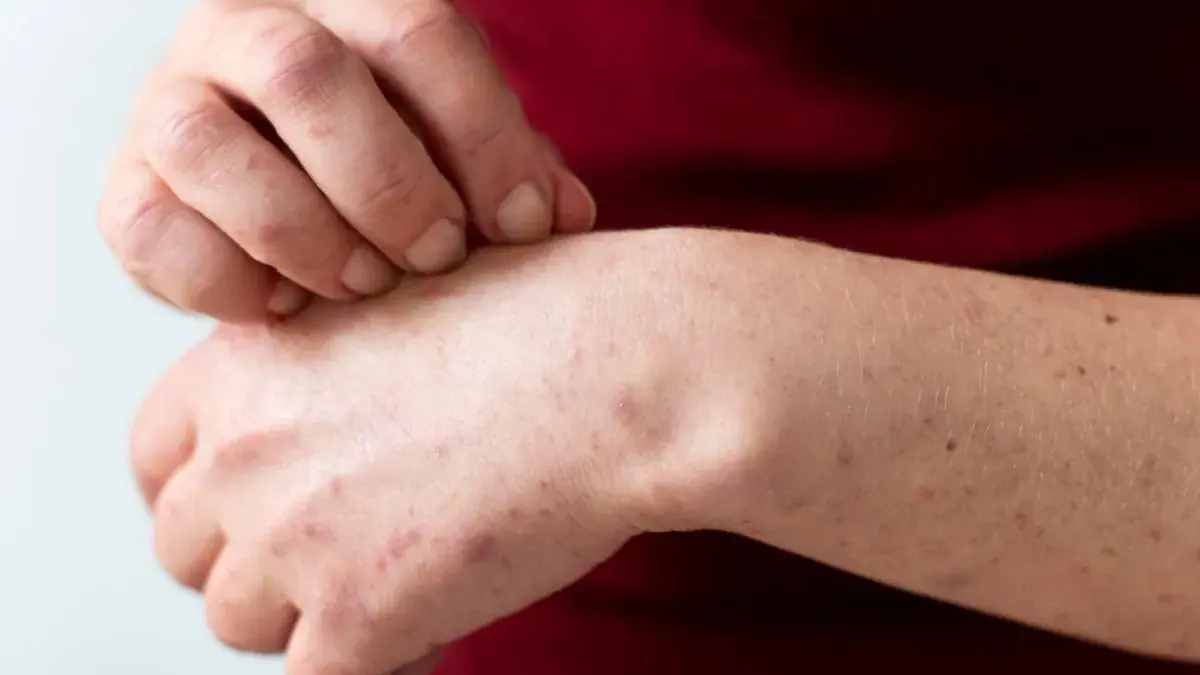
Itching in 9 areas of the body: When it could be a warning sign of serious illness

5 Common Foods That Can Harm Your Liver
One family gathering forced me to see everyone including myself differently
The oldest child and the weight of being strong
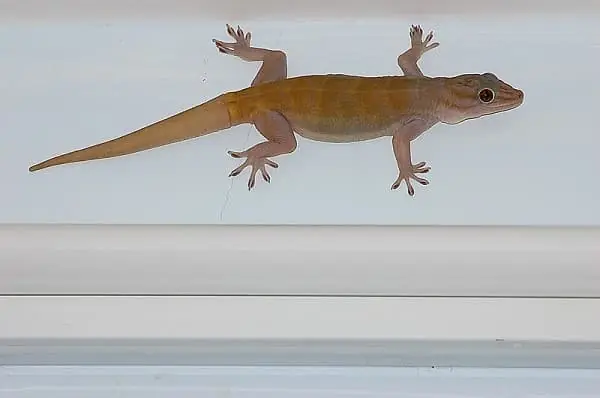
When a Lizard Appears in Your Home, It May Be Trying to Tell You Something…
I always tried to keep the peace in my family until i couldn’t anymore
I didn’t realize my childhood still shaped my marriage until one night
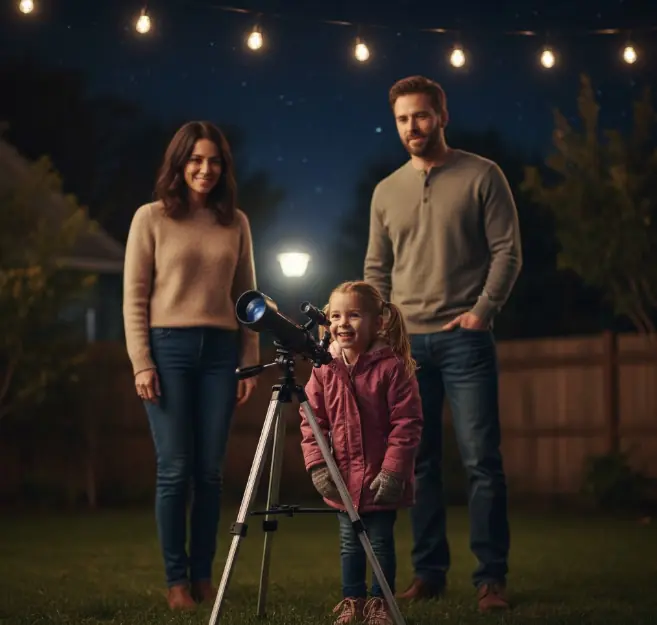
After the divorce i had to learn how to be a family in a new way

BE CAREFUL If You Get These Bruis:es On Your Body. Here's What It Means
I loved my family deeply but i didn’t know how tired i had become
I never thought living with my in-laws would slowly change who i was

Crispy cauliflower proves plant-based food can be bold and addictive.
I’m entitled to property,” Georgy declared. “What property? Are you out of your mind or something?” Polina didn’t understand.
My Husband Made a List of Our Property—So I Took Out My Mother’s Will, and He Went Pale
— “Igor, you promised me your parents wouldn’t set foot in our home again after the last scandal! So why are they coming here again?!”