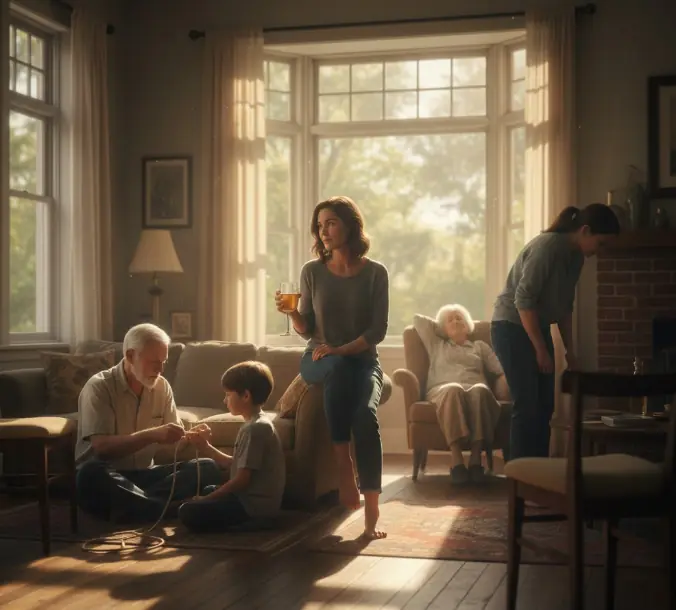
One family gathering forced me to see everyone including myself differently
One family gathering forced me to see everyone including myself differently
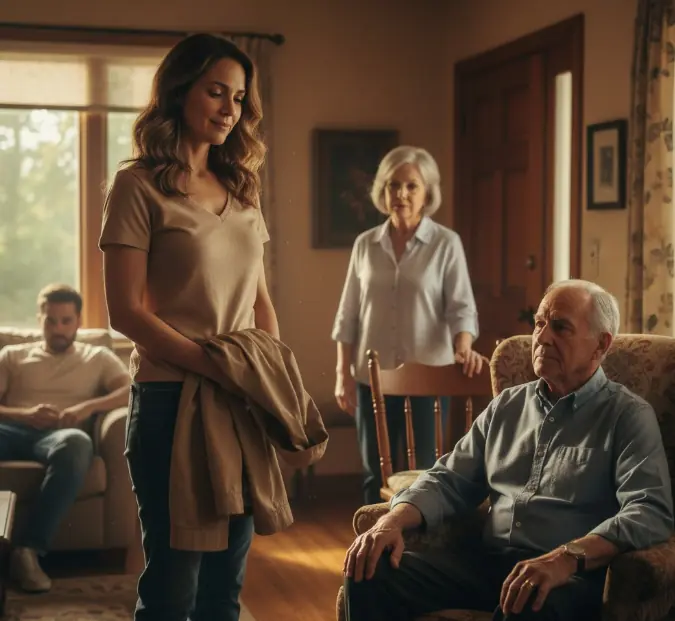
I finally understood my family when i stopped expecting them to change
The drive to my parents’ house always followed the same winding backroads, past the same weathered barns and skeletal oak trees that had stood there since I was a child. For years, this drive had been a psychological gauntlet. I would grip the steering wheel, mentally rehearsing the conversations I wanted us to have. I would prepare my arguments for why my father should be more communicative, why my mother should stop hovering, and why my brother should finally take his future seriously. I entered their driveway every time with a blueprint for their renovation, convinced that if I just found the right words, I could fix the structural flaws in our relationship.
But this Thanksgiving was different. Not because they had changed, but because I had finally run out of the energy required to try and change them.
The front door opened, and the familiar sensory assault of the family home rushed out to greet me: the scent of cinnamon and roasting turkey, the loud, overlapping voices of the local news and my brother’s video games, and the immediate, frantic energy of my mother.
"You’re late, Elena! I was sure you’d hit traffic on the bridge," she said, already reaching for my coat before I’d even stepped inside. "And you look tired. Are you eating enough? I made those specific potatoes you liked back in high school."
In years past, this would have been the first spark. I would have felt the urge to defend my schedule, to explain that I was a grown woman who knew how to nourish herself, and to remind her that I hadn't liked those potatoes in over a decade. I would have viewed her hovering as an insult to my independence.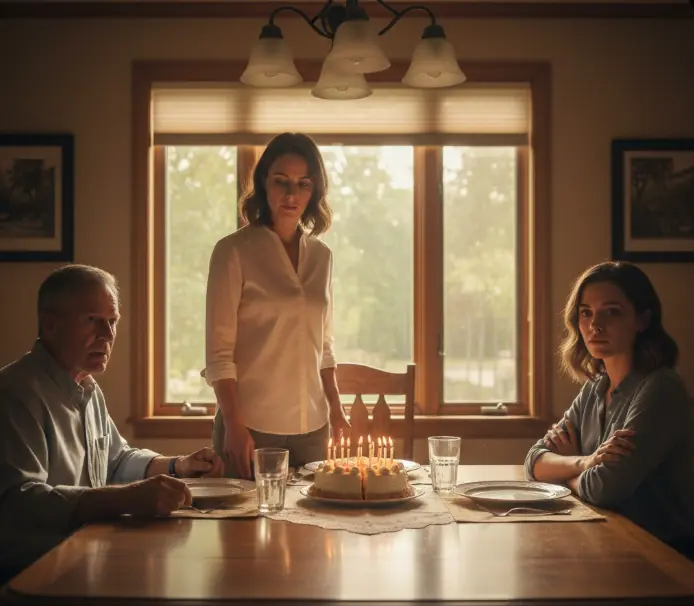
But today, I just looked at her. I saw the flour on her apron and the genuine, anxious love in her eyes. I realized that her hovering wasn't a critique of my life; it was the only language she knew for "I missed you."
"Thanks, Mom," I said, leaning in to hug her. "The potatoes sound great."
She looked startled for a second, then beamed, her shoulders dropping an inch. The friction I usually brought into the room—the friction of my expectations—was absent, and the air between us suddenly felt lighter.
In the living room, my father was in his usual armchair, his gaze fixed on a documentary about the Civil War. When I sat down next to him, he didn't ask about my career or my life in the city. He didn't offer a grand welcome. He just nodded toward the screen.
"Did you know they used hot air balloons for reconnaissance back then?" he asked, his voice gravelly and distant.
Old Elena would have felt a sting of rejection. I would have interpreted his lack of inquiry as a lack of interest. I would have sat there in a simmering silence, waiting for him to be the father I saw in movies—the one who offers profound advice and asks deep, soul-searching questions.
But as I sat there, I realized that my father was a man who had spent forty years working in a factory where the noise was so deafening that he had learned to value silence above all else. His way of connecting wasn't through interrogation; it was through shared observation. By expecting him to be a conversationalist, I was asking a cat to bark. I was judging him for failing a test he never knew he was taking.
"I didn't know that, Dad," I replied. "That’s actually pretty incredible."
He leaned back, a small, satisfied grunt escaping him. We sat together for twenty minutes, not talking, just watching history unfold on the screen. It was the most connected I had felt to him in years, simply because I had stopped demanding he connect on my terms.
The afternoon wore on, and I watched the old patterns play out. My brother made a mess of the kitchen, my mother complained about the heat, and my father fell asleep in his chair. Usually, these things felt like obstacles to the "perfect" family experience I craved. But viewed through the lens of acceptance, they became something else: they became the baseline. This was the family. This was the reality of these three humans who shared my DNA.
I realized that my long-standing frustration was actually a form of grief. I was grieving for the family I thought I should have, and in doing so, I was missing out on the family I actually had. My expectations had been a wall, preventing me from seeing the quiet ways they were actually trying to love me.
Acceptance isn't about liking everything; it’s about acknowledging the truth of what is. It’s about realizing that my mother’s worry is her way of feeling useful, that my father’s silence is his way of feeling safe, and that my brother’s chaos is his way of feeling free. When I stopped trying to "fix" them, I found that I was no longer the family’s auditor. I was just a daughter and a sister.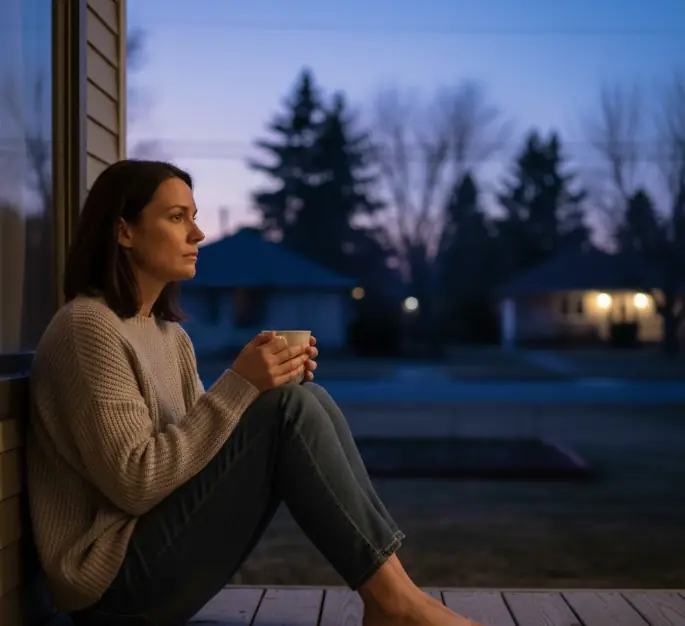
The dinner conversation was still a bit loud, and we still disagreed on trivial things. But for the first time, I didn't leave the table feeling drained or misunderstood. I left feeling a profound sense of peace. I understood that the only person I had the power to change in that house was myself—specifically, my perspective.
By letting go of the "ideal" family, I finally found room for the real one. As I drove home that night, the backroads felt shorter, and the darkness felt less heavy. I wasn't carrying the weight of their potential improvements anymore. I was just carrying the memory of a quiet afternoon, a shared documentary, and a plate of potatoes I didn't actually like, but ate anyway, because they were served with a love I finally knew how to receive.
One family gathering forced me to see everyone including myself differently
The oldest child and the weight of being strong

When my parents got older our relationship quietly changed forever
I always tried to keep the peace in my family until i couldn’t anymore
I didn’t realize my childhood still shaped my marriage until one night

After the divorce i had to learn how to be a family in a new way
I loved my family deeply but i didn’t know how tired i had become

I never thought living with my in-laws would slowly change who i was

I’m entitled to property,” Georgy declared. “What property? Are you out of your mind or something?” Polina didn’t understand.
My Husband Made a List of Our Property—So I Took Out My Mother’s Will, and He Went Pale
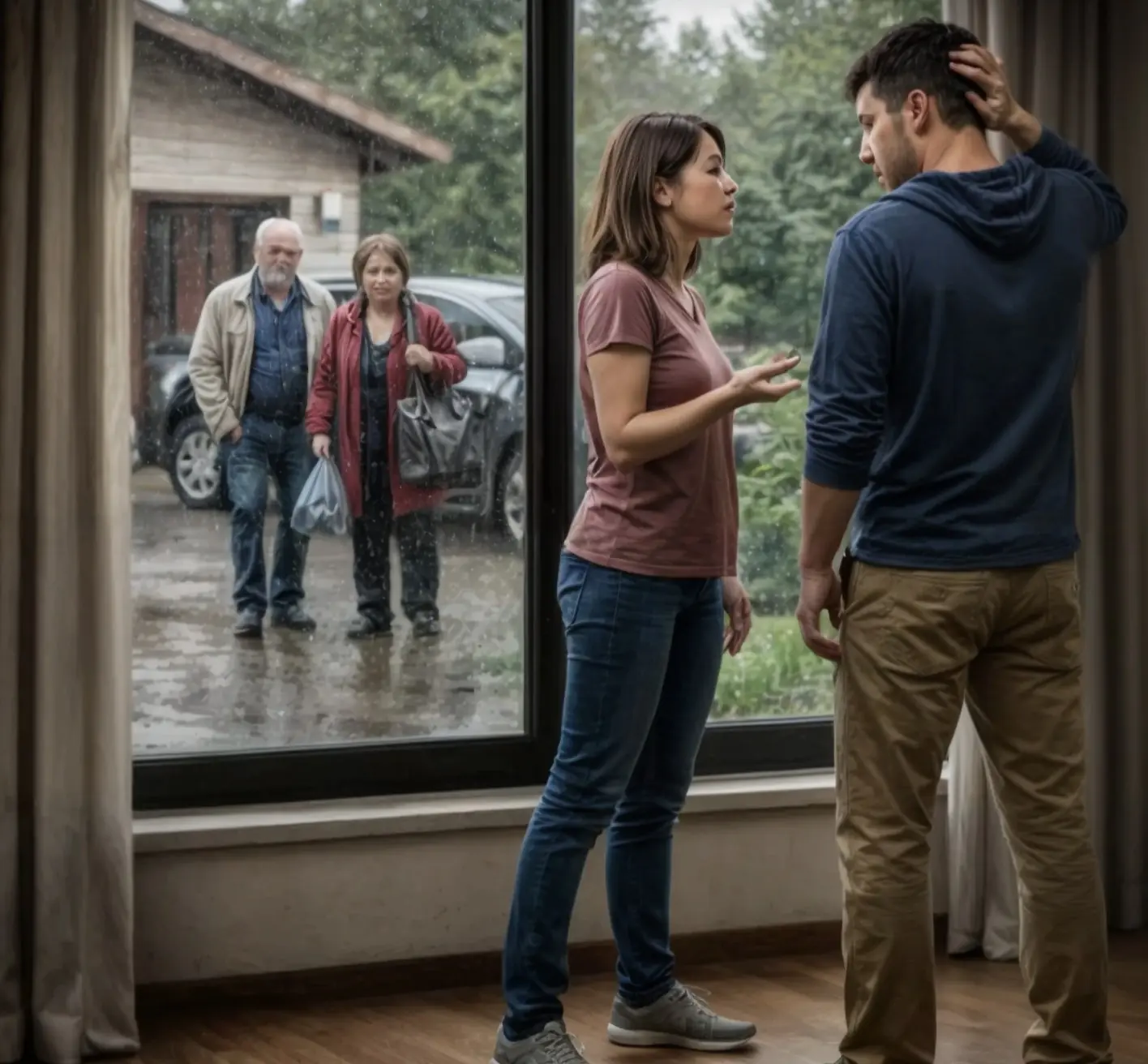
— “Igor, you promised me your parents wouldn’t set foot in our home again after the last scandal! So why are they coming here again?!”

— “Let your mother look over the documents first before she opens her mouth,” Nadezhda said. “The apartment is registered in my name.”
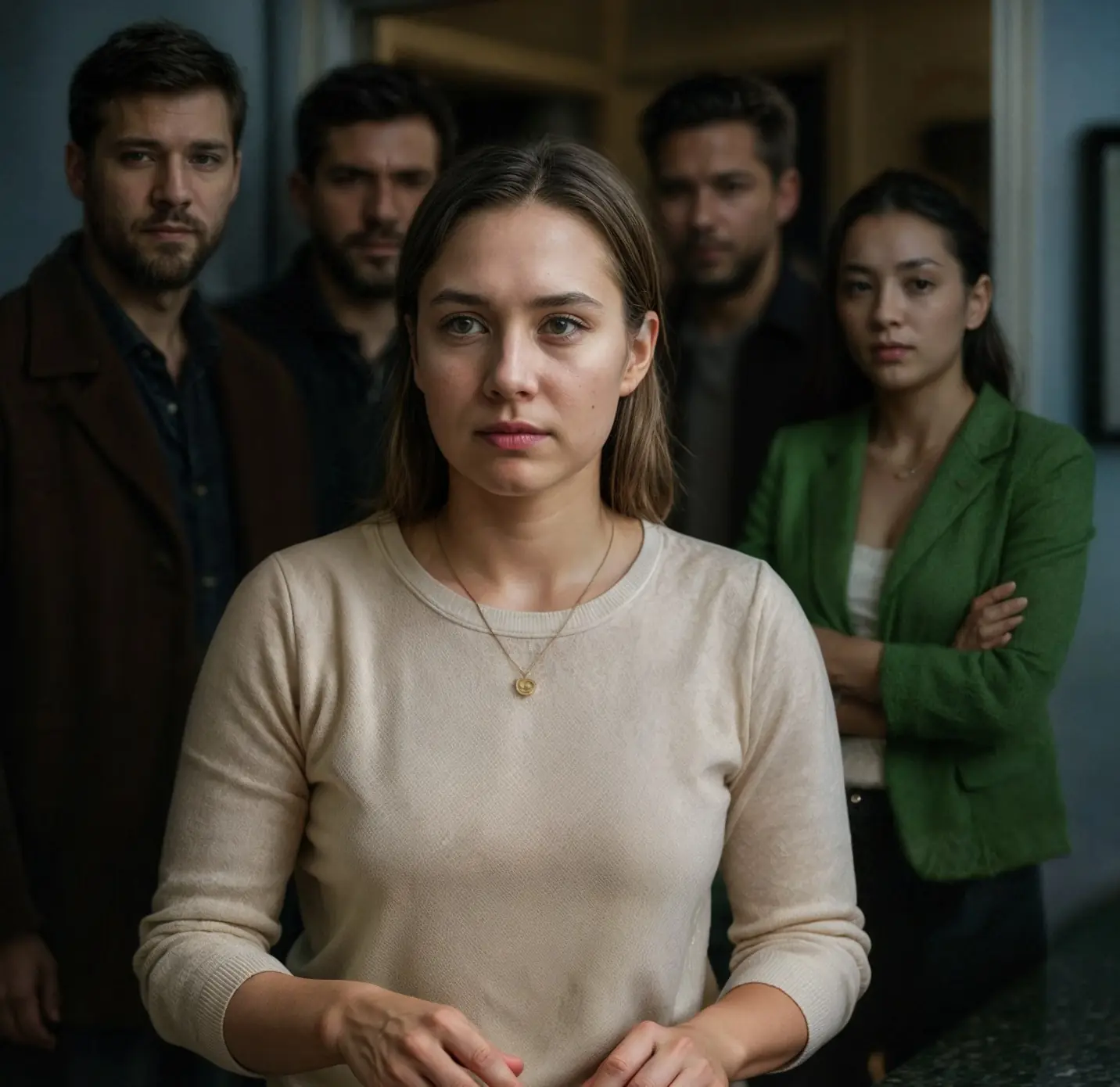
No, I’m not going to cook for you. If you want, I can pour you some water,” I calmly told my husband’s relatives, who had shown up without warning.
The sheet of paper lay on the kitchen oilcloth—white and alien among the familiar mugs and bread crumbs
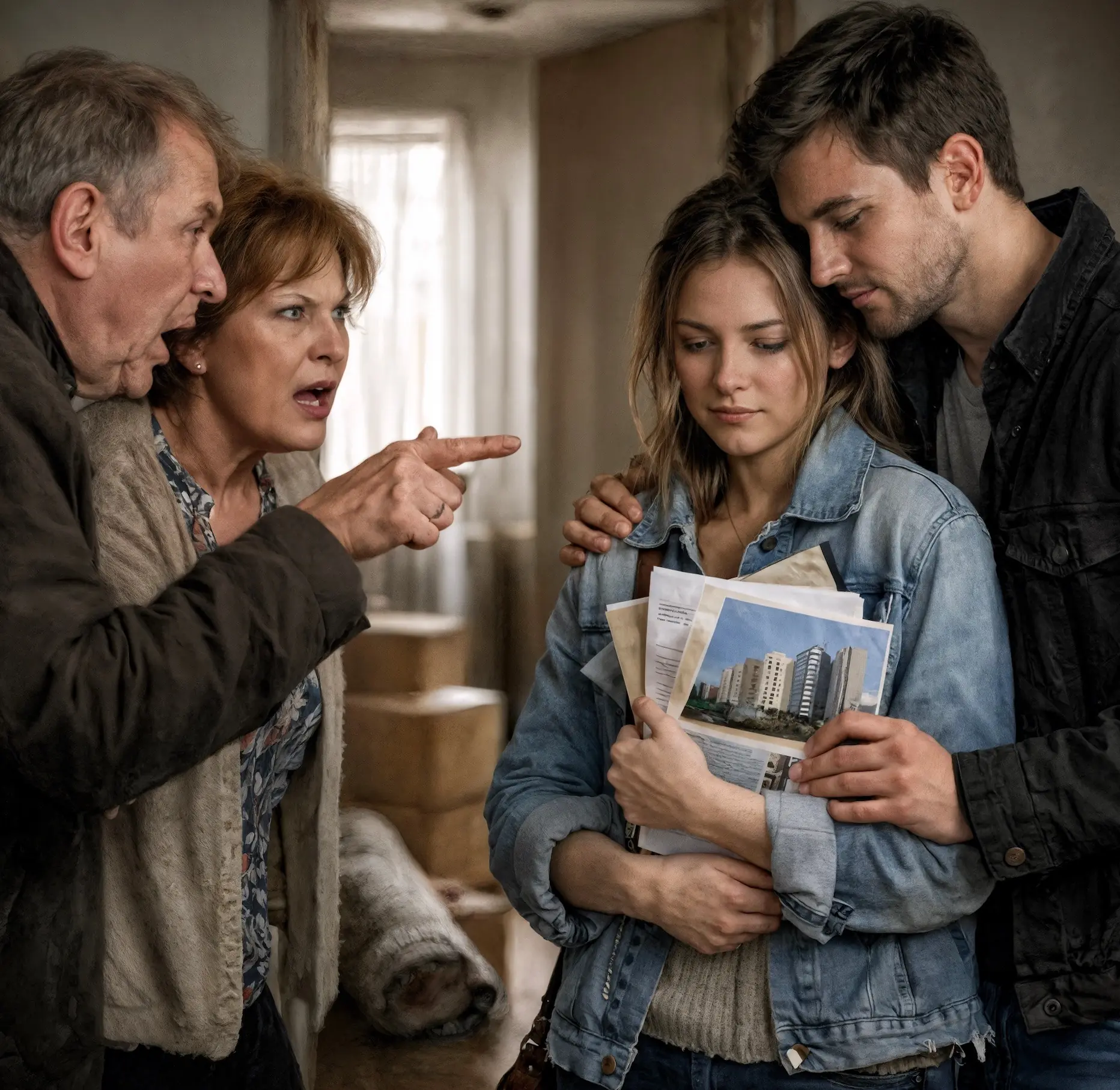
“How are you buying an apartment? After everything we’ve done for you! Traitors!” his parents-in-law raged



Papaya leaves: Unexpected health benefits explained

Don’t Panic: If a Snake Enters Your House, These Natural Repellents May Help
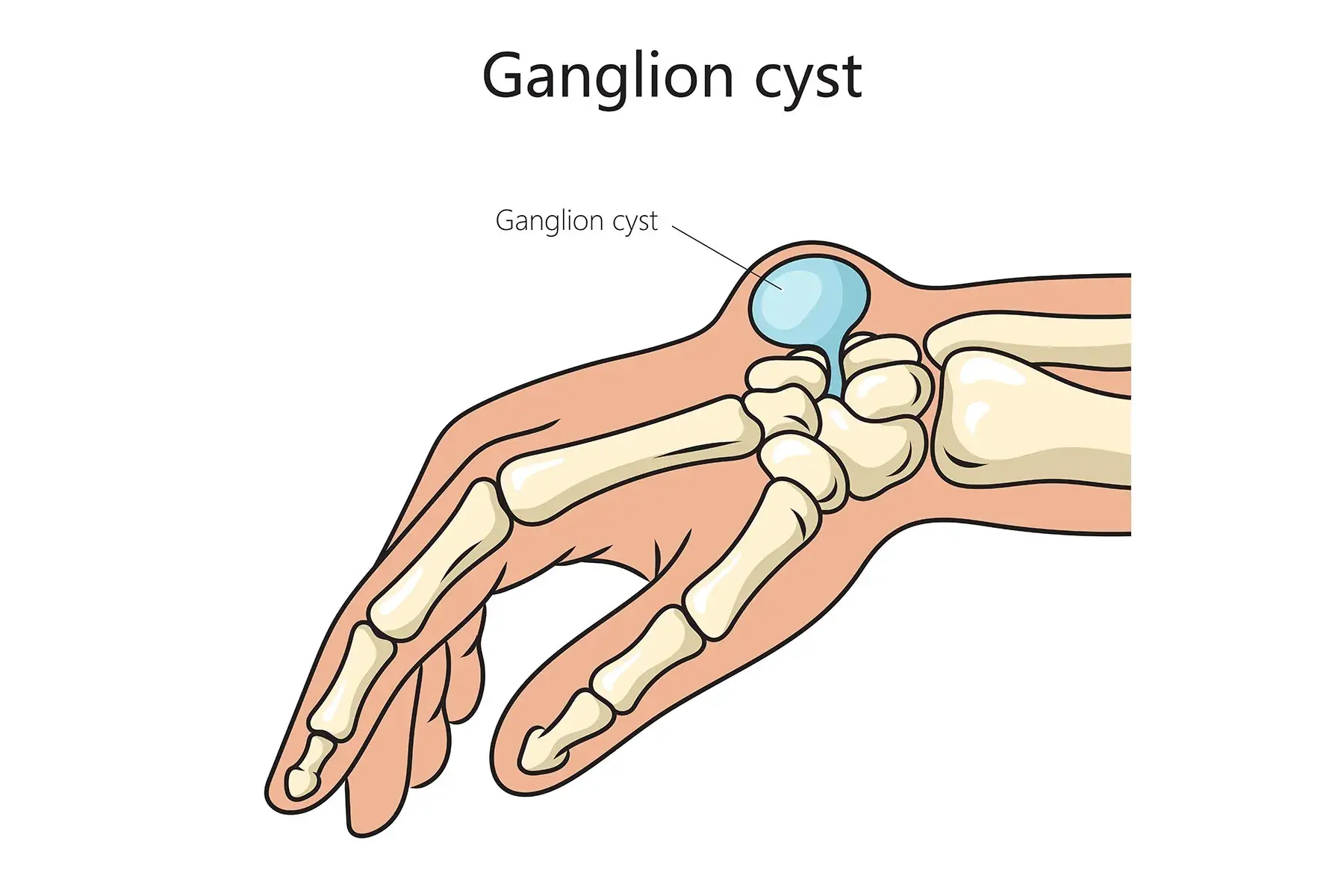
An Unusual Lump on the Wrist? Don’t Ignore It — It Could Signal a Serious Condition

Itching in 9 areas of the body: When it could be a warning sign of serious illness

5 Common Foods That Can Harm Your Liver
One family gathering forced me to see everyone including myself differently
The oldest child and the weight of being strong

When a Lizard Appears in Your Home, It May Be Trying to Tell You Something…
When my parents got older our relationship quietly changed forever
I always tried to keep the peace in my family until i couldn’t anymore
I didn’t realize my childhood still shaped my marriage until one night
After the divorce i had to learn how to be a family in a new way

BE CAREFUL If You Get These Bruis:es On Your Body. Here's What It Means
I loved my family deeply but i didn’t know how tired i had become
I never thought living with my in-laws would slowly change who i was

Crispy cauliflower proves plant-based food can be bold and addictive.
I’m entitled to property,” Georgy declared. “What property? Are you out of your mind or something?” Polina didn’t understand.
My Husband Made a List of Our Property—So I Took Out My Mother’s Will, and He Went Pale