
I finally understood my family when i stopped expecting them to change
I finally understood my family when i stopped expecting them to change
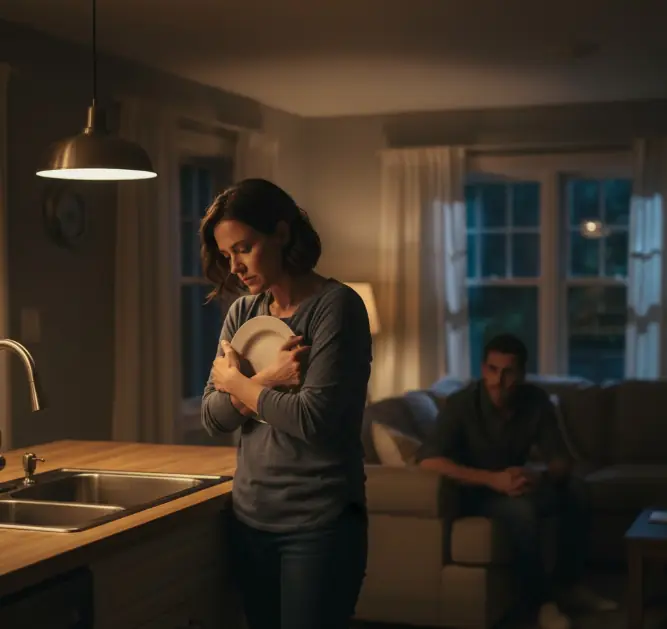
I didn’t realize my childhood still shaped my marriage until one night
The clock on the microwave glowed 11:42 PM, a neon green anchor in the otherwise dark kitchen. I was standing by the sink, a half-rinsed dinner plate in my hand, staring at the droplets of water as they slid down the porcelain. In the other room, I could hear the rhythmic, heavy silence of my husband, Leo, waiting for me to finish my "cool-down" period. We hadn’t shouted. We never shouted. But the tension between us was a physical weight, a thick fog that had rolled in over something as trivial as a misplaced set of keys.
"I’m not angry, Sarah," Leo had said earlier, his voice weary but gentle. "I’m just confused why you always go into 'emergency mode' over small things. It’s just keys. We’ll find them in the morning."
I had snapped back with a sharp, clinical list of why being prepared was essential, why losing things was a sign of chaos, and why his relaxed attitude felt like a betrayal of our domestic order. Then, I had retreated to the dishes, my hands moving with a frantic, desperate energy.
As I stood there in the dark, the scent of lemon soap stinging my nostrils, a memory surfaced—not as a thought, but as a sensation. It was the feeling of being six years old, sitting on the top step of a staircase in a house two states away. I remembered the sound of my father’s car pulling into the driveway and the immediate, instinctive way my mother would start straightening the cushions on the sofa.
"Quick, Sarah," she would whisper, her eyes scanning the room for any sign of disorder. "Let’s make sure everything is in its place. We don't want to give him a reason to be stressed."
In my childhood home, peace wasn't something you felt; it was something you manufactured. It was a performance of perfection designed to keep the "storm" at bay. If the house was spotless, if the grades were high, if the children were quiet, then the environment would remain stable. Stability was a prize you earned through hyper-vigilance.
I looked down at the plate in my hand and realized I was holding it so tightly my knuckles were white.
For ten years of marriage, I had been treating Leo not as a partner, but as an unpredictable weather system that I needed to manage. When he was late, I didn't just feel annoyed; I felt unsafe. When he was relaxed about a bill or a messy kitchen, I didn't see a man enjoying his life; I saw a crack in the armor I had spent thirty years building. My "emergency mode" wasn't about the keys. It was a generational echo.
I was repeating a script I had learned before I knew how to read. I was the keeper of the peace, the manager of the mood, the girl on the stairs waiting for the car door to slam.
I set the plate down in the rack, the clink of ceramic against metal sounding like a bell in the quiet house. I walked slowly into the living room. Leo was sitting on the sofa, his head resting against the back, eyes closed. He looked so human, so separate from the projections I had placed upon him.
"Leo?" I said softly.
He opened his eyes. There was no anger there, only a quiet, patient inquiry. "Hey. You okay?"
I sat on the edge of the armchair, my hands tucked under my thighs. "I just realized something. About the keys. And about why I get so… intense."
I told him about the stairs. I told him about the sofa cushions and the way my mother’s breath would hitch if a toy was left on the rug. I told him that in my head, a misplaced key wasn't a minor inconvenience; it was the first pebble in an avalanche. I explained that I grew up believing that if I stopped being perfect for even a second, the whole world would fall apart.
Leo listened in silence. He didn't try to "fix" it. He didn't offer a platitude about how his parents were different. He just let the words sit in the space between us.
"I thought I left all that behind when I moved out," I whispered, my voice trembling. "I thought I was a completely different person than my mother. But I’m using her tools. I’m building the same walls."
"It’s a lot of work," Leo said eventually. "To be the one who holds up the sky every day."
"I’m exhausted," I admitted. The confession felt like a physical relief, a slow exhaling of a breath I had been holding since 1995.
We stayed there for a long time, the house settling around us. I realized that self-awareness doesn't work like a light switch. I didn't suddenly become a relaxed, carefree person who didn't care about lost keys. The old habits were still there, wired into my nervous system like old copper pipes. The urge to straighten the cushions was still humming in the back of my mind.
But the difference was that now, I could see the wire.
I understood now that when Leo was relaxed, he wasn't being "careless"—he was being free. And his freedom wasn't a threat to my safety. It was an invitation. My childhood had taught me that love was conditional on my performance, but my marriage was showing me that love could be a steady, quiet place where I was allowed to be imperfect.
The next morning, the keys were still missing. Usually, I would have woken up with a racing heart, already mentally drafting a plan for how to reorganize the entire entryway. Instead, I stayed in bed for an extra five minutes, listening to the sound of the birds outside.
When I went into the kitchen, Leo was already making coffee. He pointed to a small bowl on the counter. "I found them. They were in the pocket of your rain jacket."
"Oh," I said, a small laugh escaping me. "Right. The jacket."
I felt the old impulse to apologize profusely, to explain away my "failure" of memory, to ensure him that it wouldn't happen again. I felt the ghost of my six-year-old self reaching for the sofa cushions.
I stopped. I took a breath.
"Thanks for finding them," I said simply.
It wasn't a grand resolution. The patterns of a lifetime don't disappear because of one late-night conversation. I knew that next week, or next month, I would likely find myself back at the sink, gripping a plate too hard, waiting for a storm that wasn't coming. I knew that generational habits are like old footpaths—the mind naturally returns to them when it's tired or afraid.
But as I sat down to have breakfast with my husband, I felt a new sense of space. I wasn't just a daughter repeating a cycle; I was a woman learning a new language. I was a work in progress, standing in a house where the cushions didn't have to be perfect for the love to be real. And for now, that understanding was enough.
I finally understood my family when i stopped expecting them to change
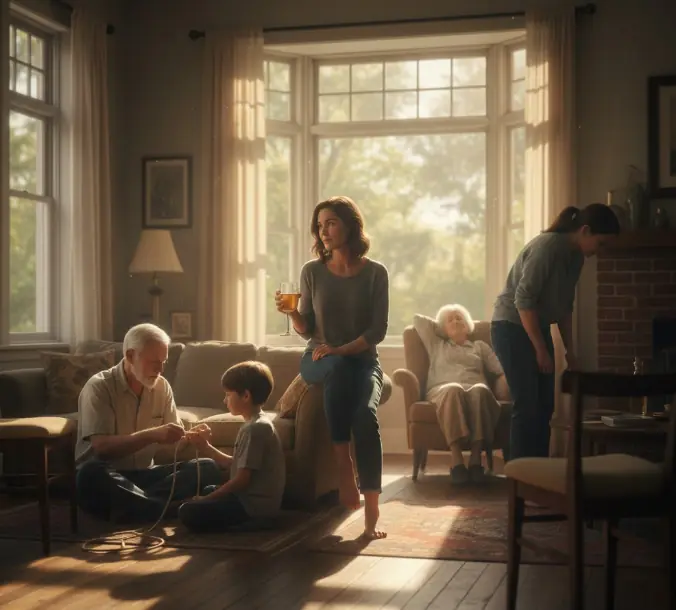
One family gathering forced me to see everyone including myself differently
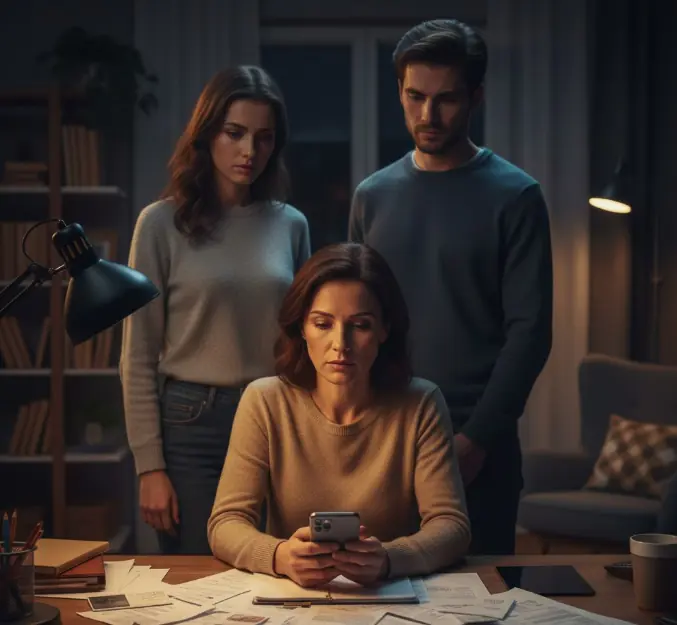
The oldest child and the weight of being strong

When my parents got older our relationship quietly changed forever
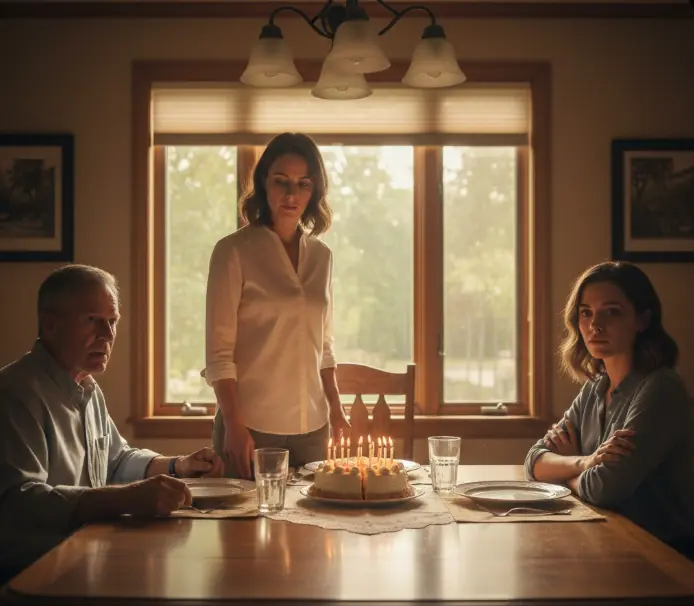
I always tried to keep the peace in my family until i couldn’t anymore

After the divorce i had to learn how to be a family in a new way
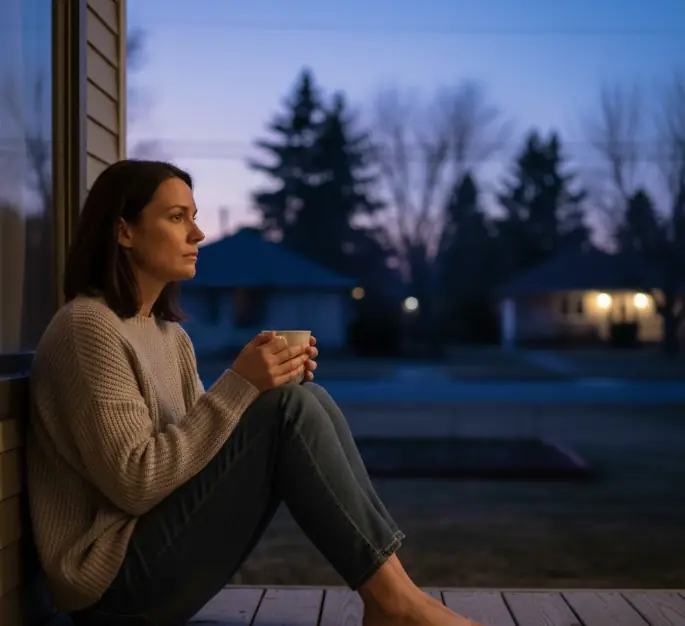
I loved my family deeply but i didn’t know how tired i had become

I never thought living with my in-laws would slowly change who i was

I’m entitled to property,” Georgy declared. “What property? Are you out of your mind or something?” Polina didn’t understand.

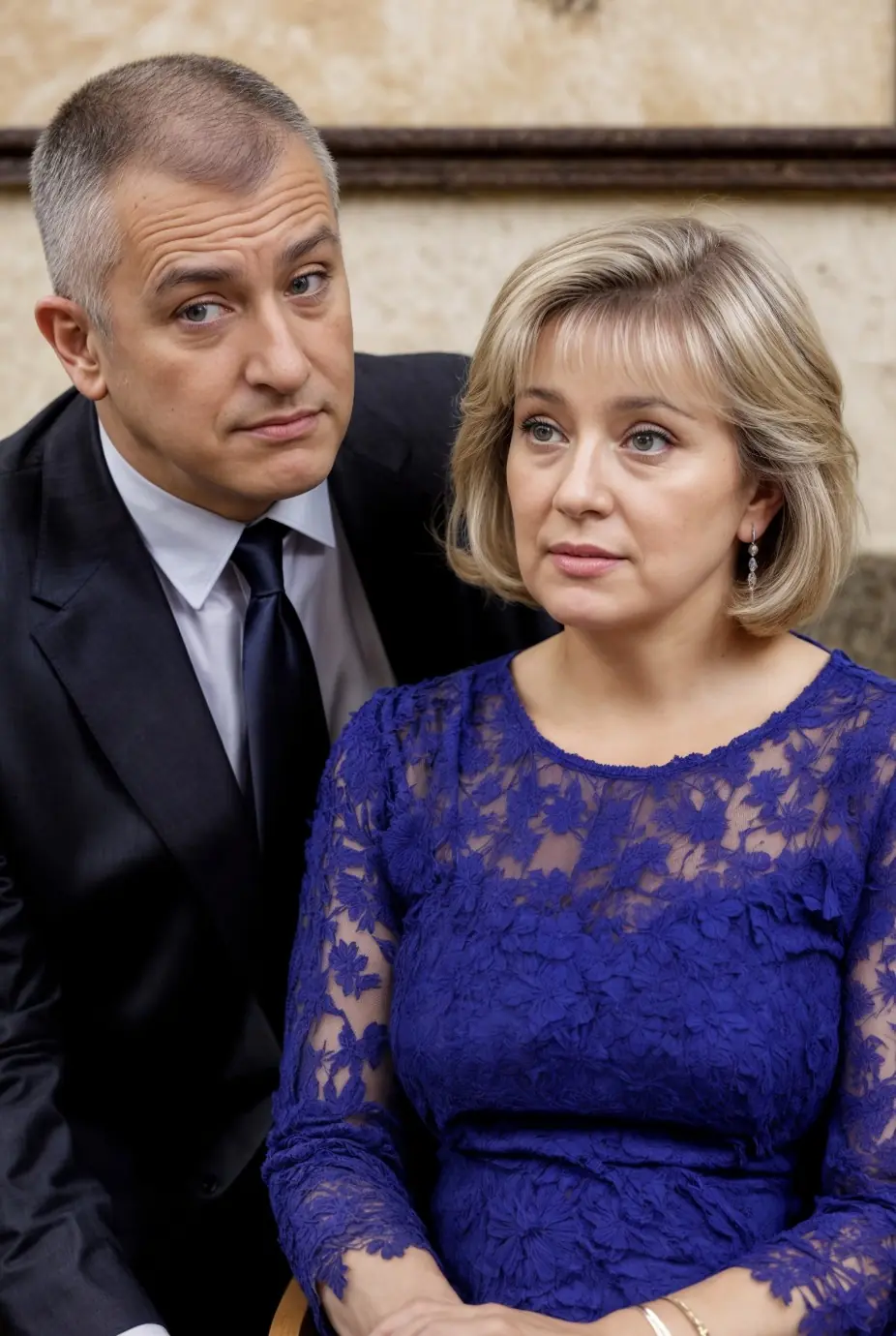
My Husband Made a List of Our Property—So I Took Out My Mother’s Will, and He Went Pale

— “Igor, you promised me your parents wouldn’t set foot in our home again after the last scandal! So why are they coming here again?!”

— “Let your mother look over the documents first before she opens her mouth,” Nadezhda said. “The apartment is registered in my name.”

No, I’m not going to cook for you. If you want, I can pour you some water,” I calmly told my husband’s relatives, who had shown up without warning.
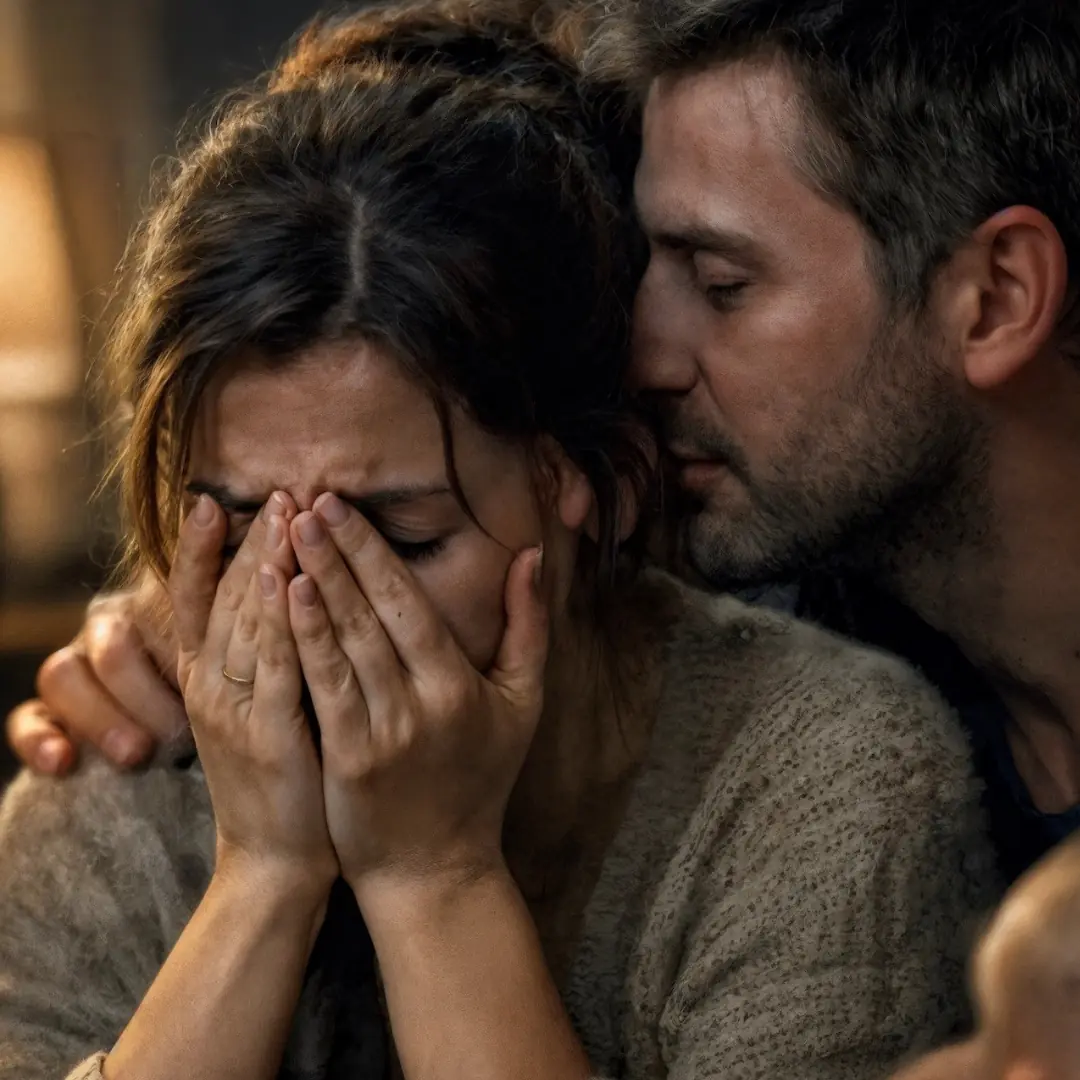
The sheet of paper lay on the kitchen oilcloth—white and alien among the familiar mugs and bread crumbs
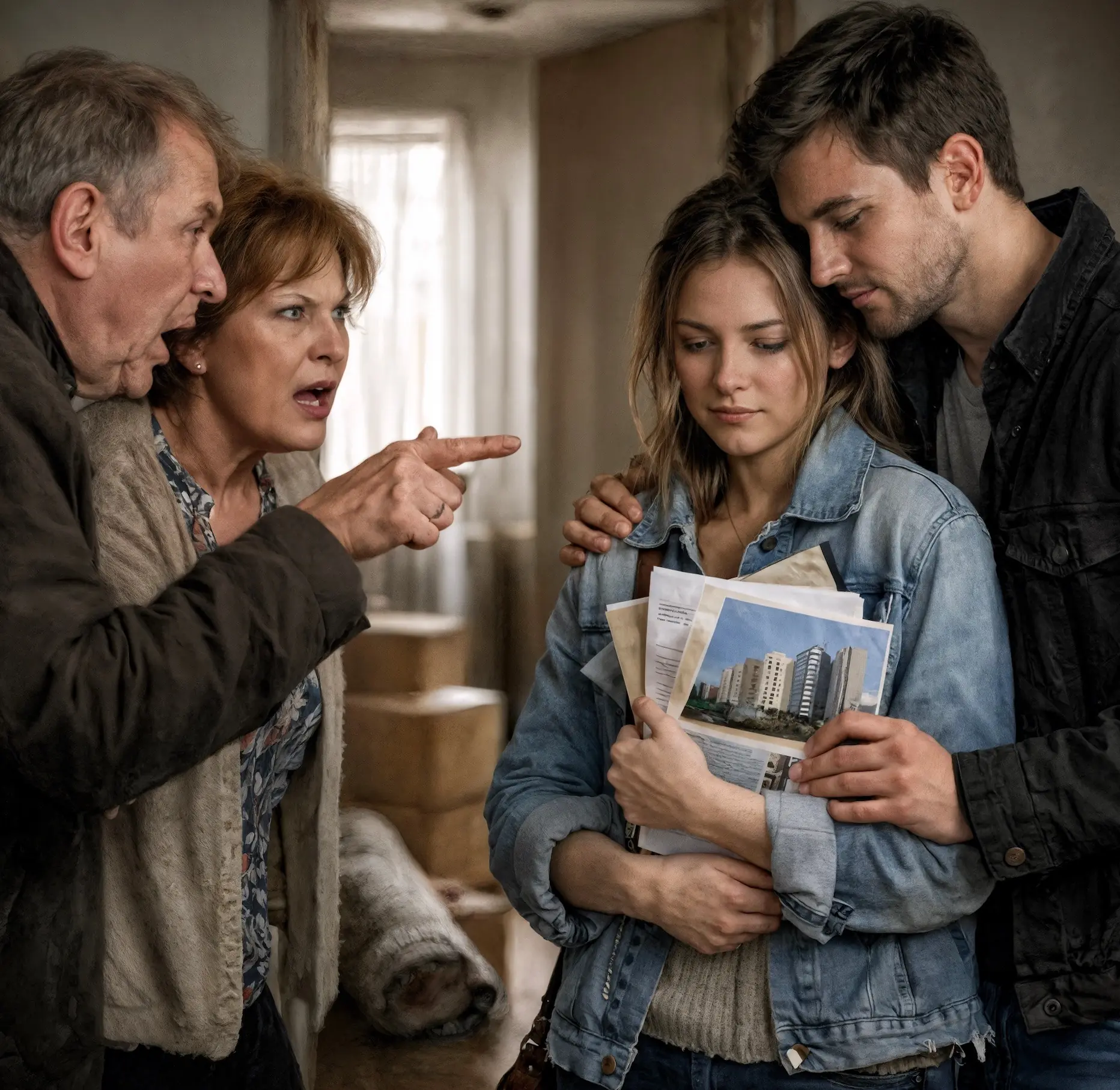
“How are you buying an apartment? After everything we’ve done for you! Traitors!” his parents-in-law raged


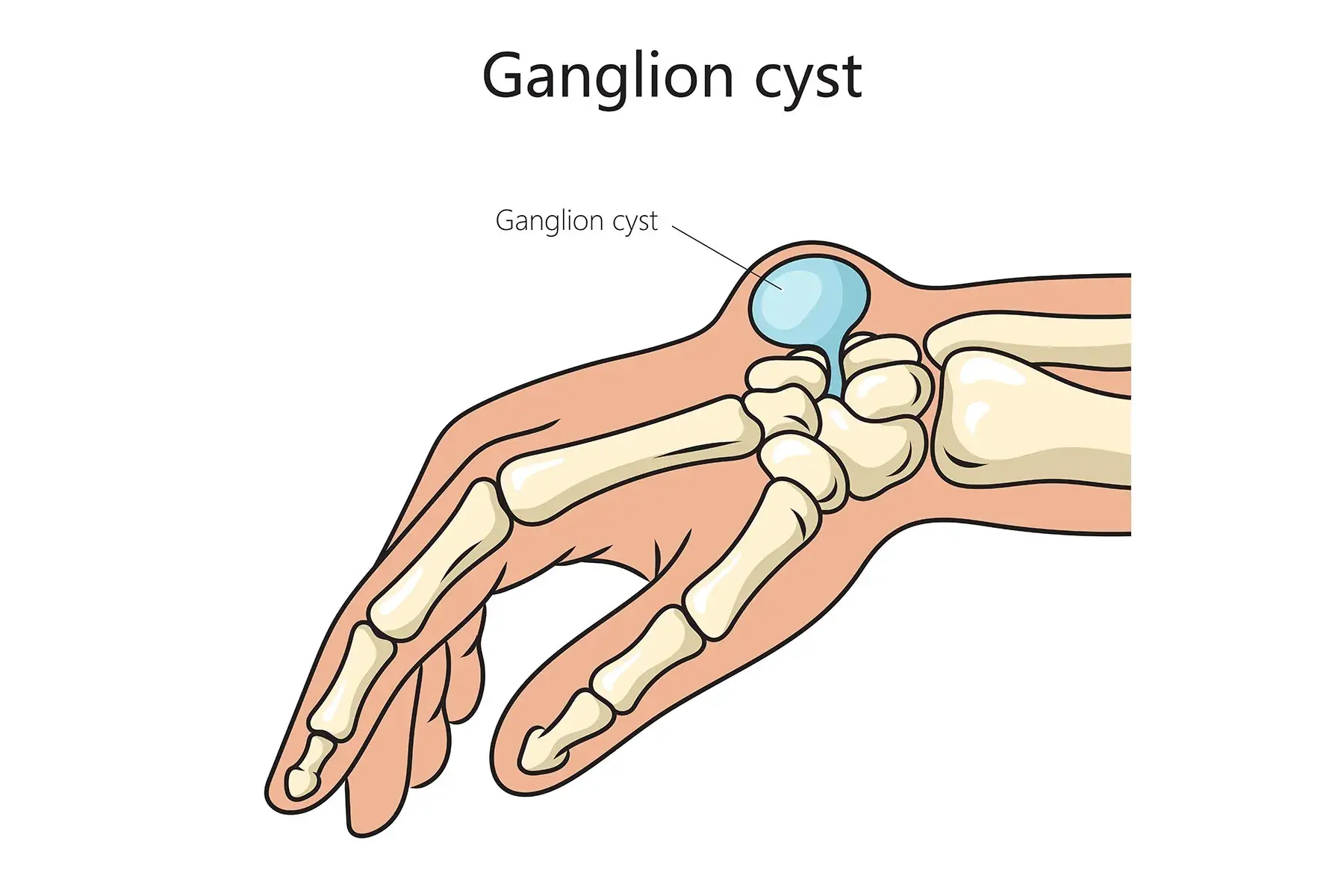
An Unusual Lump on the Wrist? Don’t Ignore It — It Could Signal a Serious Condition
I finally understood my family when i stopped expecting them to change
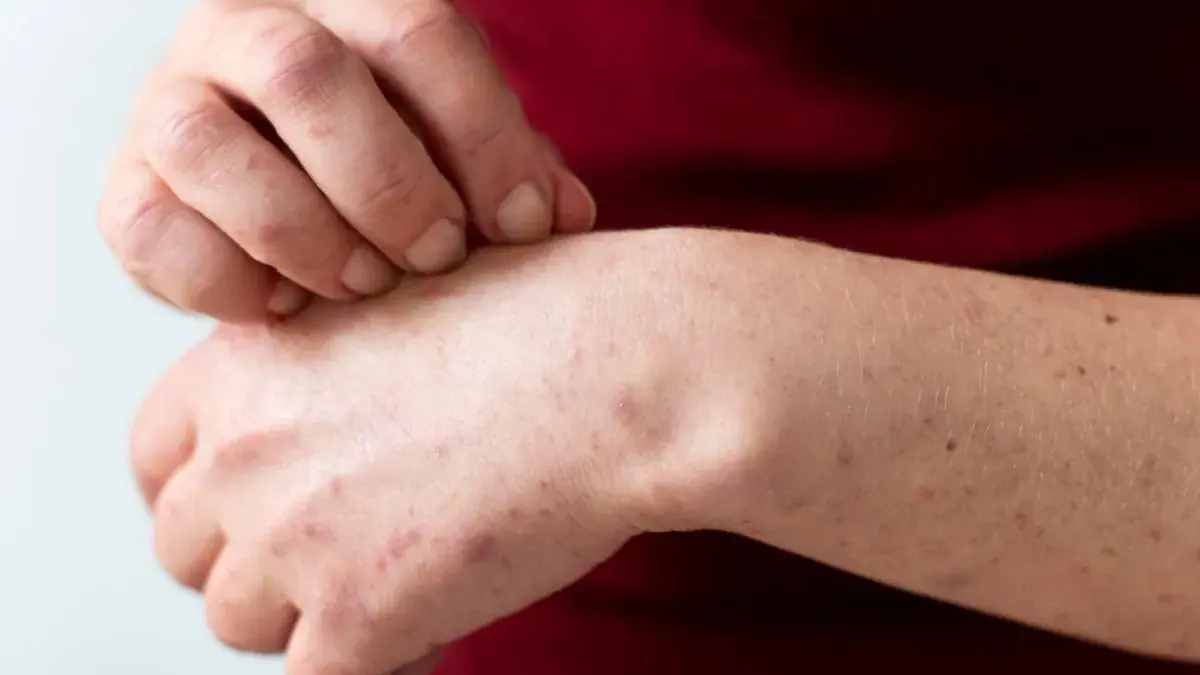
Itching in 9 areas of the body: When it could be a warning sign of serious illness

5 Common Foods That Can Harm Your Liver
One family gathering forced me to see everyone including myself differently
The oldest child and the weight of being strong

When a Lizard Appears in Your Home, It May Be Trying to Tell You Something…
When my parents got older our relationship quietly changed forever
I always tried to keep the peace in my family until i couldn’t anymore
After the divorce i had to learn how to be a family in a new way

BE CAREFUL If You Get These Bruis:es On Your Body. Here's What It Means
I loved my family deeply but i didn’t know how tired i had become
I never thought living with my in-laws would slowly change who i was

Crispy cauliflower proves plant-based food can be bold and addictive.
I’m entitled to property,” Georgy declared. “What property? Are you out of your mind or something?” Polina didn’t understand.
My Husband Made a List of Our Property—So I Took Out My Mother’s Will, and He Went Pale
— “Igor, you promised me your parents wouldn’t set foot in our home again after the last scandal! So why are they coming here again?!”
— “Let your mother look over the documents first before she opens her mouth,” Nadezhda said. “The apartment is registered in my name.”