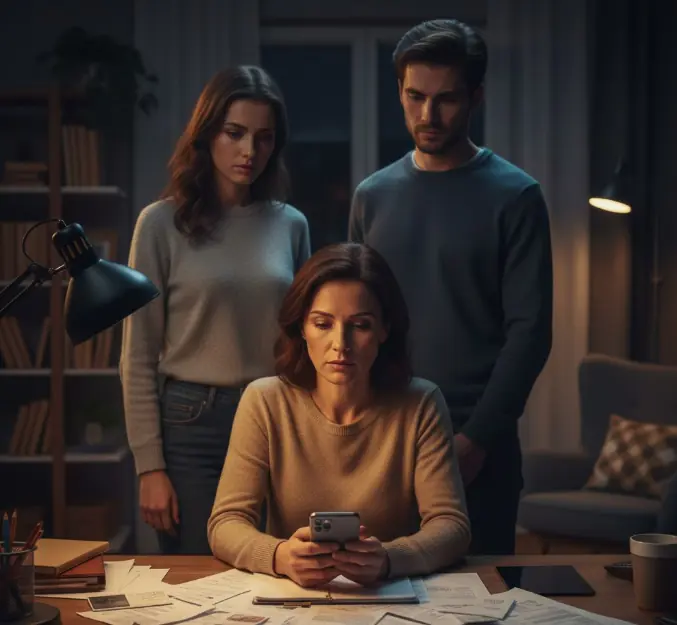
The oldest child and the weight of being strong
The oldest child and the weight of being strong
One family gathering forced me to see everyone including myself differently
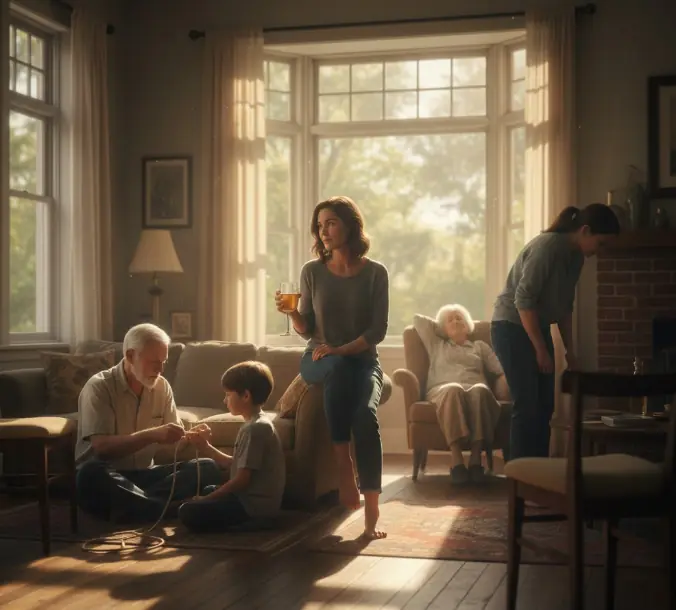
The late afternoon sun was pouring through the large bay window of my aunt’s house in Virginia, casting long, golden rectangles across the mismatched chairs we had gathered from every corner of the home. It was the first time in nearly four years that the entire family had managed to be in the same zip code, let alone the same room. The air was thick with the scent of pine-scented candles and the savory, heavy aroma of slow-cooked brisket.
Usually, these gatherings felt like a performance—a carefully choreographed dance of "how have you been" and "you look so much like your father." But this time, something felt different. Perhaps it was the way the light caught the dust motes dancing in the air, or perhaps it was just that I had reached an age where I was finally willing to look past the surface.
I sat on the arm of the sofa, a lukewarm glass of cider in my hand, and watched my family. For years, I had held onto very specific, static versions of them in my mind. My Uncle Robert was the "grumpy one" who always complained about the weather. My cousin Elena was the "successful one" whose life was a series of curated high-achieving moments. My mother was the "worry-wart" who couldn't sit still if a single coaster was out of place.
But as I watched Robert, I noticed he wasn't complaining today. He was sitting quietly in the corner, showing my youngest nephew how to tie a specific kind of nautical knot. His hands, though trembling slightly with age, were incredibly patient. When the boy messed up the loop for the third time, Robert didn't huff; he simply smiled, a genuine, soft expression I realized I hadn't seen in a decade. I saw then that his "grumpiness" had often been a shield for a man who just didn't know how to fit into the loud, boisterous energy of the rest of the group. He wasn't angry; he was just shy.
Then there was Elena. She was standing near the fireplace, but she wasn't talking about her recent promotion or her new apartment. She was listening—really listening—to our grandmother talk about a garden she had planted back in the sixties. Elena wasn't checking her watch or her phone. I saw a flicker of exhaustion in the corners of her eyes, a weariness that suggested her "perfect" life was a heavy burden she was tired of carrying. I realized I had been so busy being envious of her success that I had never considered the loneliness of the pedestal she felt forced to stand on.
As I shifted my gaze, I saw myself in the reflection of the hallway mirror. For so long, I had walked into these rooms feeling like the "outsider," the one who was different, the one who was observing but never truly belonging. I had built a narrative that I was more observant, perhaps more sensitive, than the rest of them. I had used that narrative as a wall to keep myself safe from the vulnerability of actually being known.
The insight hit me with the quiet force of a falling leaf. My family wasn't a collection of archetypes I had assigned to them. They were people—complex, evolving, and fragile people—who were all doing their best to navigate the passage of time. And I wasn't an outsider; I was an architect of my own isolation. By deciding who they were before they even spoke, I had denied them the chance to be anything else to me.
I watched my mother finally sit down. She didn't adjust a coaster. She just leaned her head back and closed her eyes for a moment, letting the noise of the grandchildren wash over her. I saw her not as a "worry-wart," but as a woman who had spent forty years being the glue for everyone else, finally letting herself be a part of the collage instead of the adhesive.
I walked over to the corner and sat on the floor near Uncle Robert and the boy. I didn't say anything at first. I just watched the knot take shape.
"That's a tricky one," I said softly, after a moment.
Robert looked up, his eyes meeting mine. "It is. But it’s the strongest one. Once it’s set, it doesn't slip."
We didn't have a grand, emotional reconciliation. We didn't solve any old family mysteries or have a dramatic clearing of the air. We just stayed there in the golden light, three generations of people connected by a simple piece of rope and a shared afternoon.
The gathering didn't change the world. Tomorrow, Robert might be grumpy again, and Elena might go back to her polished social media life. My mother will almost certainly move a coaster or two. But as I drove home that evening, the road stretched out ahead of me under a vast, starlit sky, and I felt a profound sense of lightness.
I saw them differently now, which meant I could see myself differently, too. I didn't need to be the "outsider" anymore. I could just be another person in the room, messy and imperfect, standing in the light with the rest of them. The realization was small, but it felt like a door had been left unlocked, allowing a fresh breeze to finally move through a room that had been closed for far too long. I was part of the knot, and for the first time, I didn't want to slip.
The oldest child and the weight of being strong
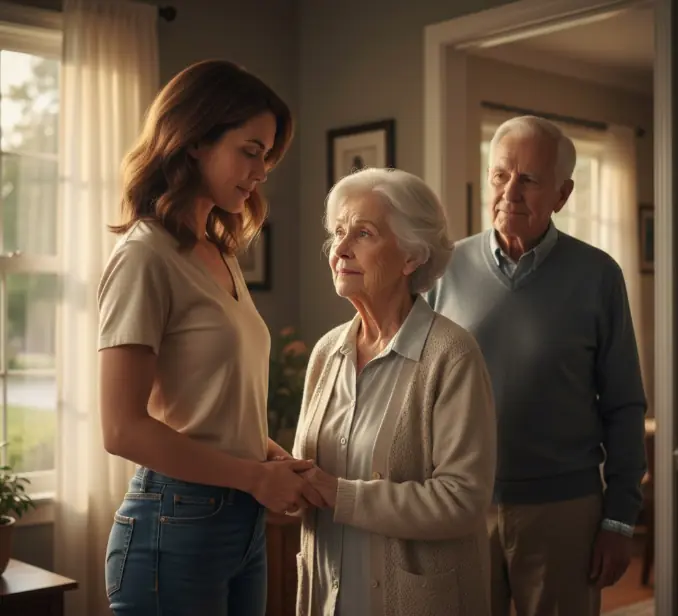
When my parents got older our relationship quietly changed forever
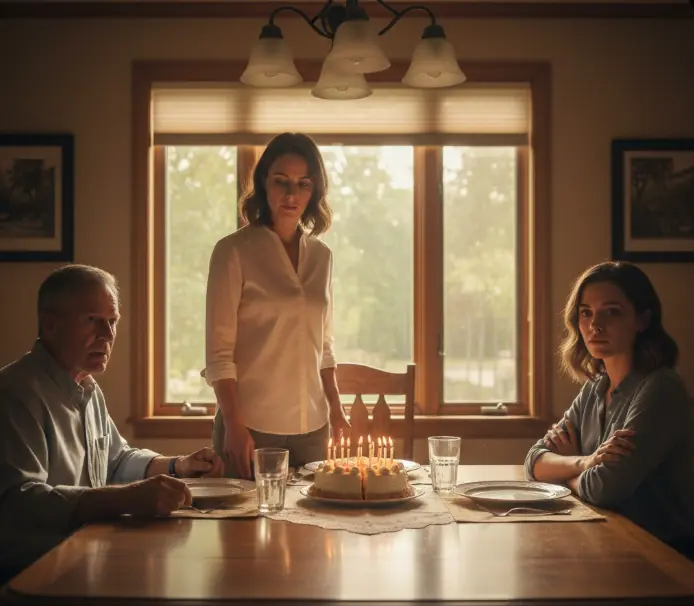
I always tried to keep the peace in my family until i couldn’t anymore
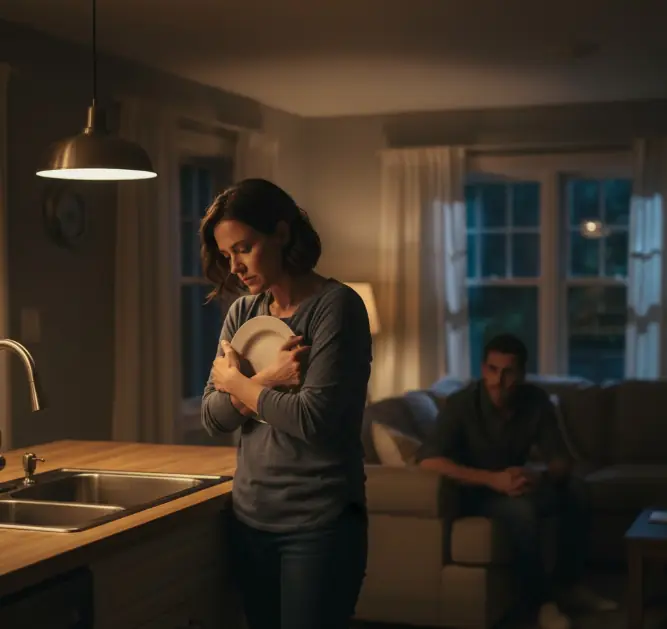
I didn’t realize my childhood still shaped my marriage until one night

After the divorce i had to learn how to be a family in a new way
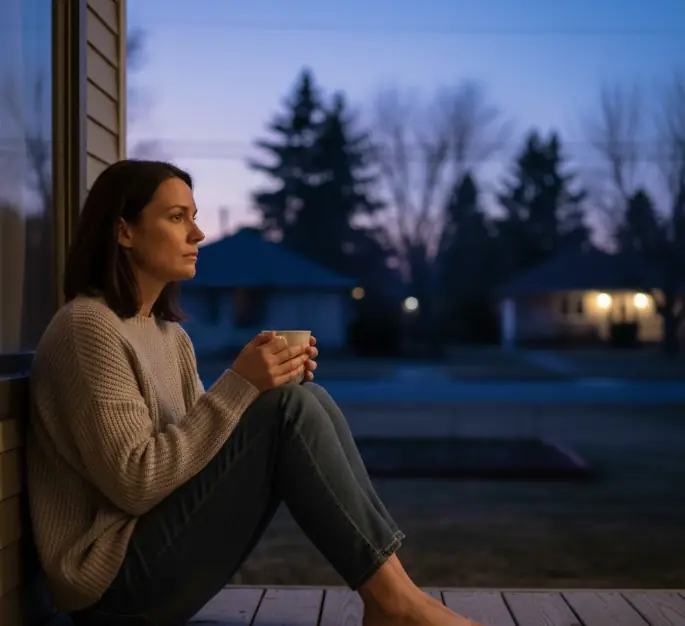
I loved my family deeply but i didn’t know how tired i had become
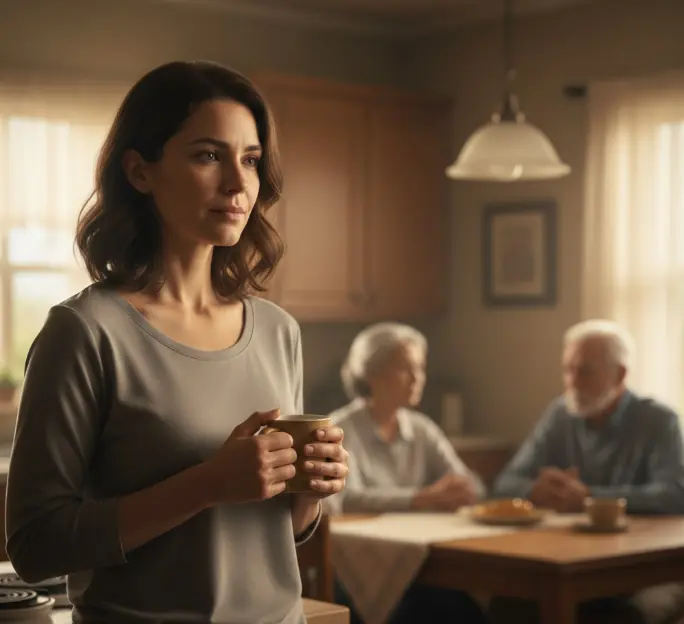
I never thought living with my in-laws would slowly change who i was
I’m entitled to property,” Georgy declared. “What property? Are you out of your mind or something?” Polina didn’t understand.

My Husband Made a List of Our Property—So I Took Out My Mother’s Will, and He Went Pale
— “Igor, you promised me your parents wouldn’t set foot in our home again after the last scandal! So why are they coming here again?!”
— “Let your mother look over the documents first before she opens her mouth,” Nadezhda said. “The apartment is registered in my name.”
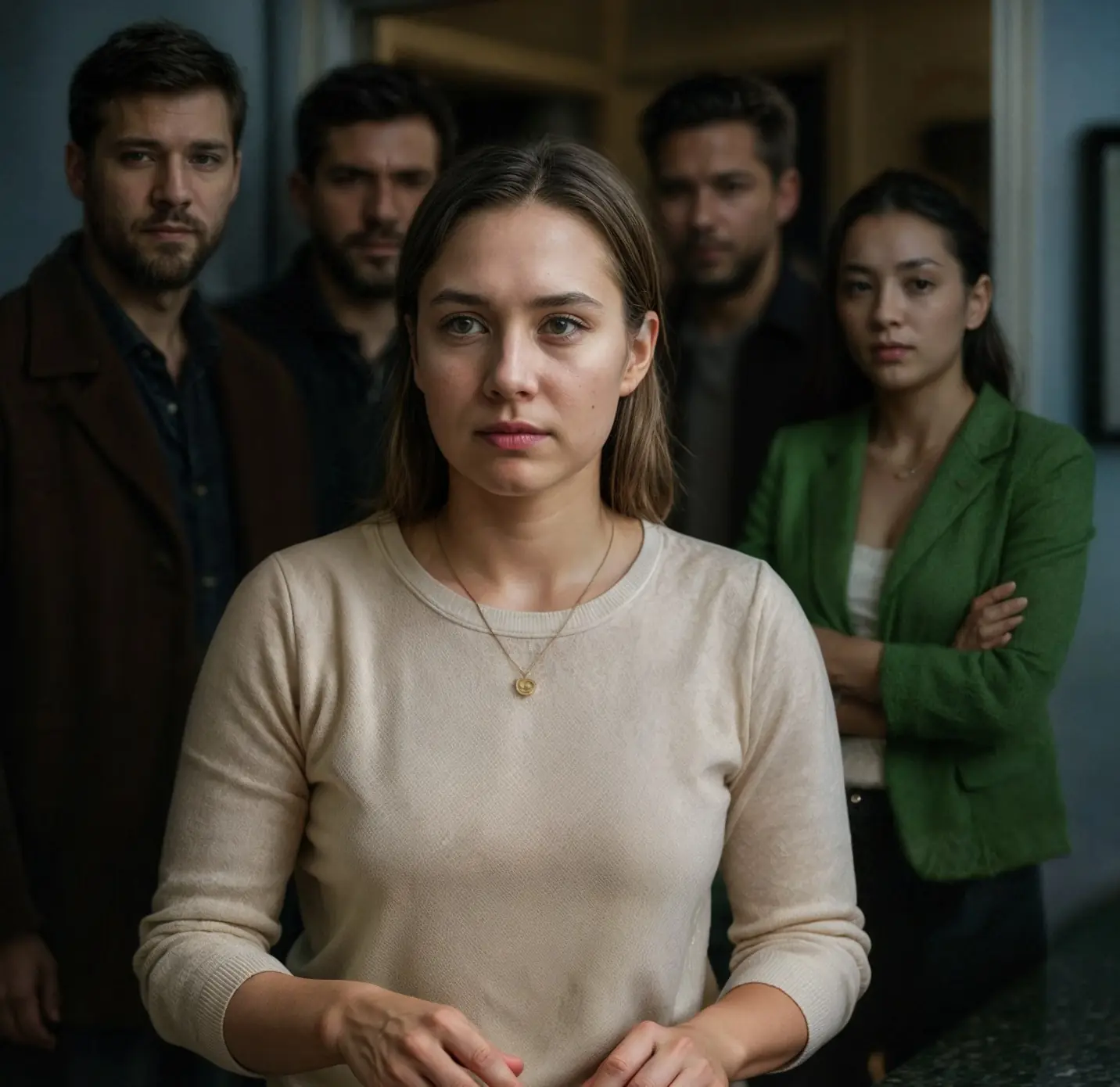
No, I’m not going to cook for you. If you want, I can pour you some water,” I calmly told my husband’s relatives, who had shown up without warning.
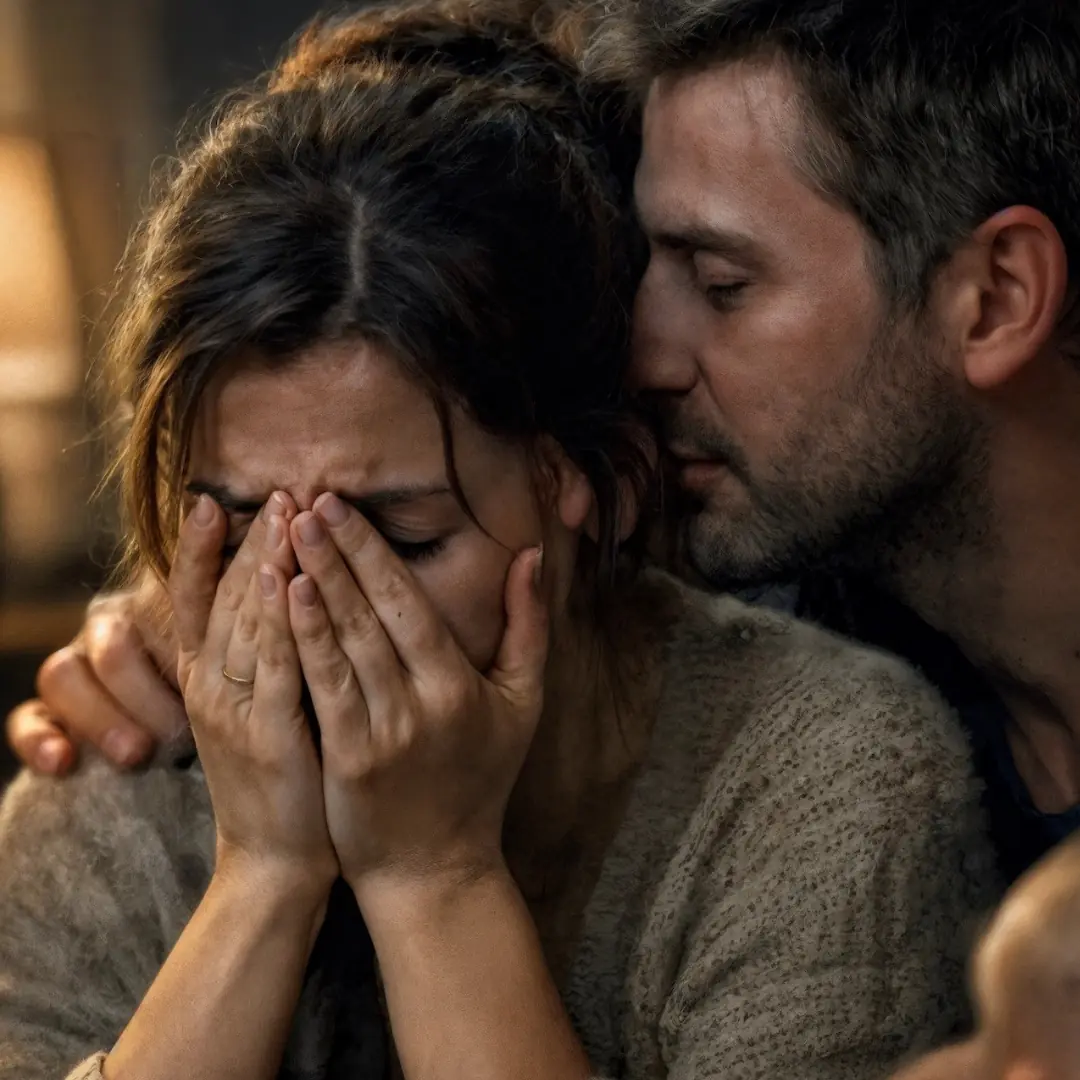
The sheet of paper lay on the kitchen oilcloth—white and alien among the familiar mugs and bread crumbs
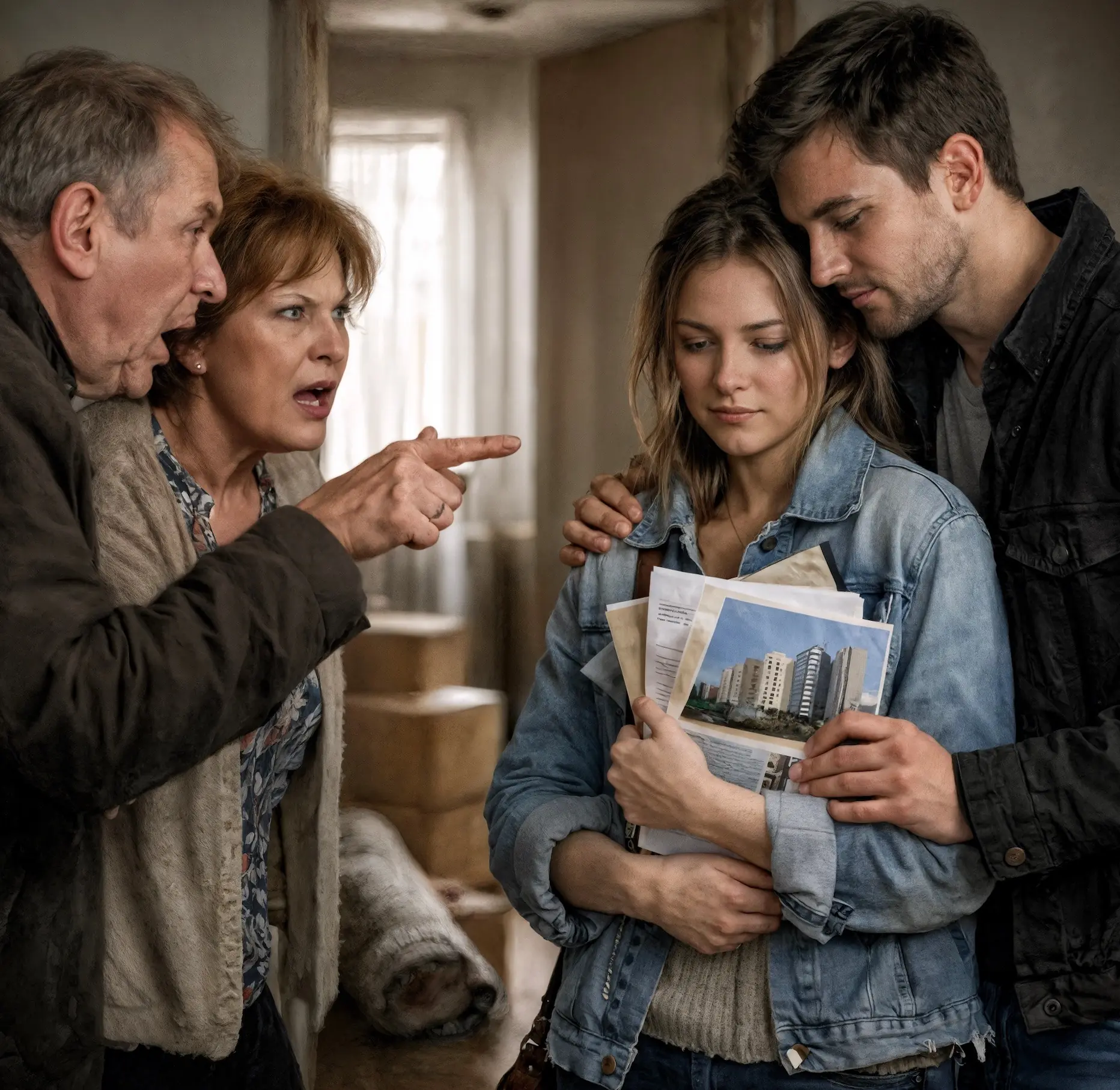
“How are you buying an apartment? After everything we’ve done for you! Traitors!” his parents-in-law raged

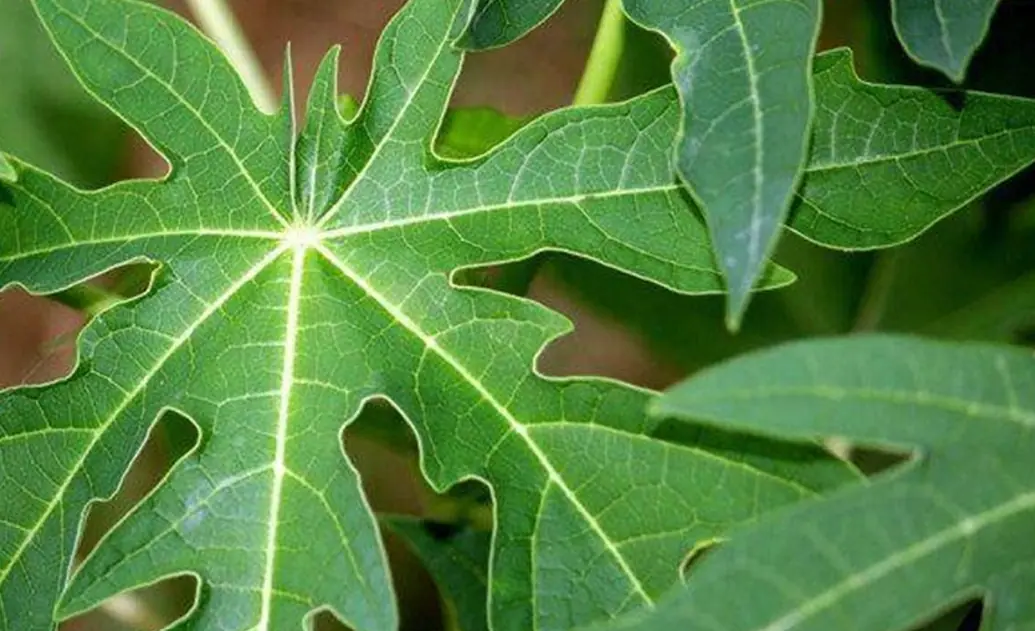
Papaya leaves: Unexpected health benefits explained

Don’t Panic: If a Snake Enters Your House, These Natural Repellents May Help
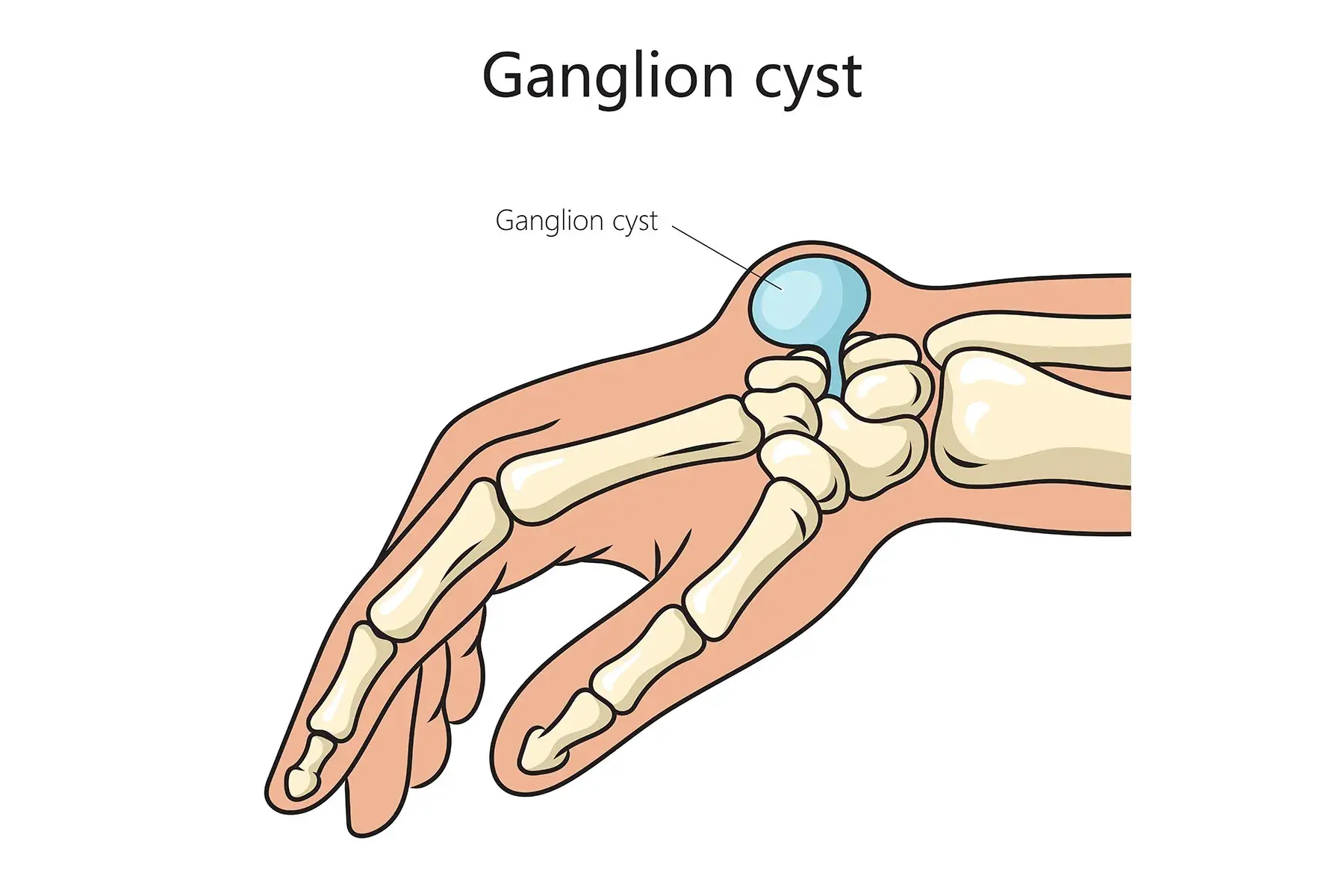
An Unusual Lump on the Wrist? Don’t Ignore It — It Could Signal a Serious Condition
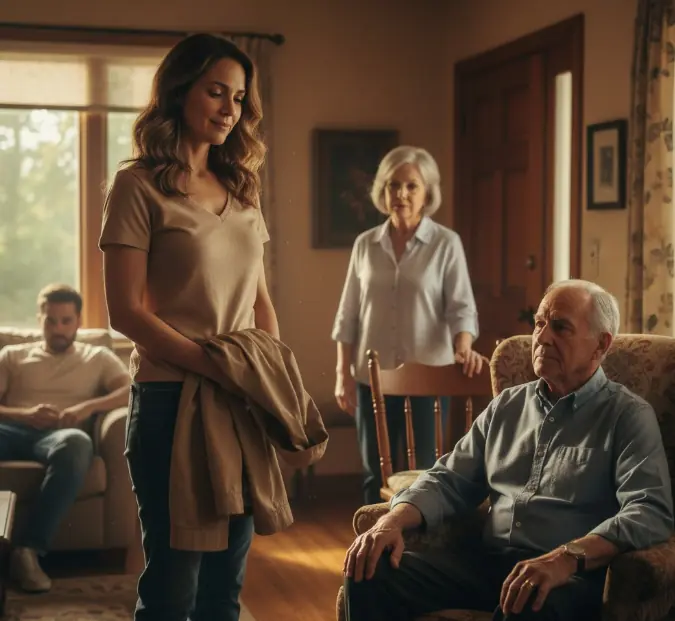
I finally understood my family when i stopped expecting them to change
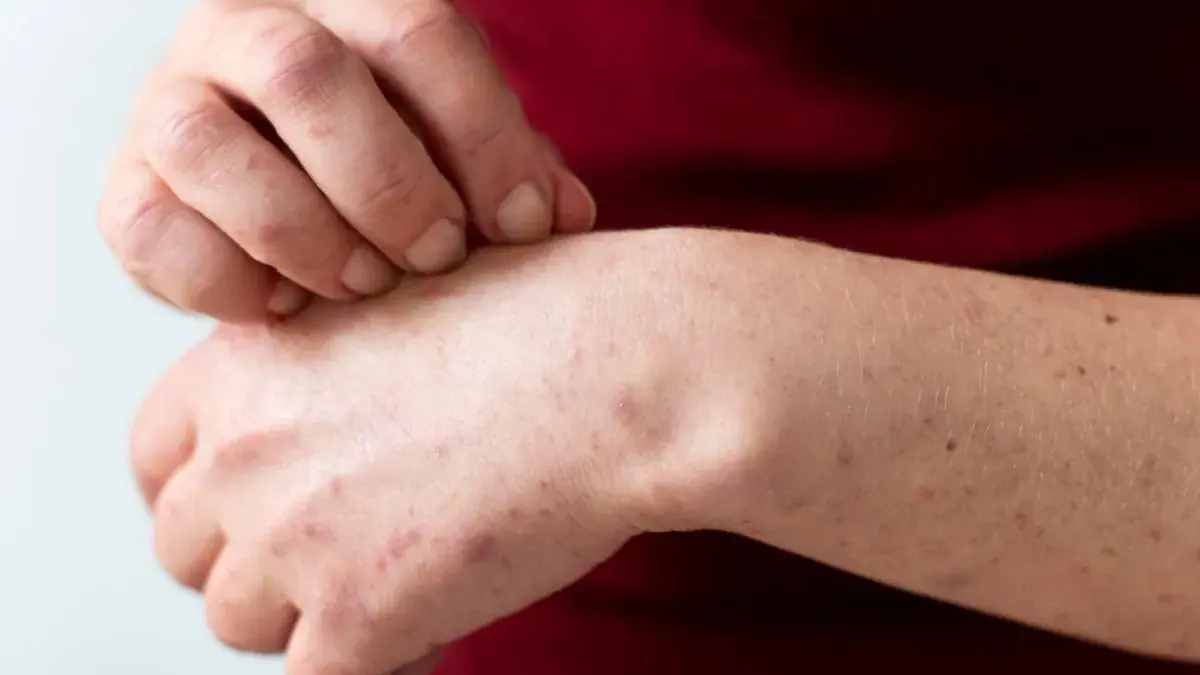
Itching in 9 areas of the body: When it could be a warning sign of serious illness

5 Common Foods That Can Harm Your Liver
The oldest child and the weight of being strong

When a Lizard Appears in Your Home, It May Be Trying to Tell You Something…
When my parents got older our relationship quietly changed forever
I always tried to keep the peace in my family until i couldn’t anymore
I didn’t realize my childhood still shaped my marriage until one night
After the divorce i had to learn how to be a family in a new way

BE CAREFUL If You Get These Bruis:es On Your Body. Here's What It Means
I loved my family deeply but i didn’t know how tired i had become
I never thought living with my in-laws would slowly change who i was

Crispy cauliflower proves plant-based food can be bold and addictive.
I’m entitled to property,” Georgy declared. “What property? Are you out of your mind or something?” Polina didn’t understand.
My Husband Made a List of Our Property—So I Took Out My Mother’s Will, and He Went Pale