
I finally understood my family when i stopped expecting them to change
I finally understood my family when i stopped expecting them to change

The boxes were stacked in the hallway of my in-laws’ suburban ranch house, representing a temporary plan. My husband, Mark, and I had decided to move in with his parents, Eleanor and Arthur, for eighteen months. The goal was practical: save for a down payment and help Arthur recover from his hip surgery. In the beginning, it felt like a grand adventure in familial solidarity. I told my friends, "It’s just a house; we’re lucky to have the support."
But a house is more than four walls; it is a delicate ecosystem of habits, and I was an invasive species.
The change didn't happen with a roar; it happened with a thousand whispers. It began in the kitchen. In my own apartment, I loved the quiet of a 6:00 AM coffee, staring out the window in total stillness. Here, Eleanor was always already there, the local news humming in the background.
"Oh, you’re using that mug, dear?" she would ask, her voice perfectly sweet. "That’s Arthur’s favorite for his Earl Grey. But it’s fine, really. I’ll just find him another one."
It was a small comment—gentle, even—but it meant that my first conscious act of the day was an accidental transgression. Slowly, I found myself checking the cupboard for "approved" mugs. I started walking on the balls of my feet to avoid the creaky floorboard near their bedroom. I began to edit my laughter, my opinions, and even my grocery list.
By the six-month mark, I realized I was becoming a ghost in my own life. I felt a constant, low-grade pressure to be the "perfect" guest, which meant being perpetually grateful and invisible. When Eleanor suggested a different way to fold the laundry, or Arthur made a subtle remark about how late Mark and I stayed out on a Friday night, I swallowed my defense. To speak up felt ungrateful; to stay silent felt like erasing myself.
I remember sitting in our bedroom—the only space that felt truly ours—and realizing I couldn't remember the last time I had made a decision without wondering how it would be perceived by the hallway. I was losing my edge, my spontaneity, and my sense of agency. The emotional weight wasn't from conflict, but from the lack of it—the constant effort to keep the surface of the water perfectly still.
The turning point came on a Tuesday evening over a dinner of pot roast. The conversation was pleasant, yet I felt a familiar tightening in my chest.
"I was thinking," Eleanor said, "that we should rearrange the pantry this weekend. It would make it so much easier for everyone to find things."
In that moment, I saw the next year of my life: a series of small, well-meaning rearrangements until there was nothing left of my own rhythm. I looked at Mark, who was contentedly eating, and then at Eleanor, who truly believed she was being helpful.
I didn't start a fight. I didn't raise my voice. Instead, I felt a sudden, cool clarity.
"That’s a great idea for the pantry, Eleanor," I said, my voice steady. "But I think I’m going to take this weekend to head out to the city for a few hours. I need some time to just wander and be in my own head for a bit."
The silence that followed was brief, but significant. Eleanor blinked, a small flicker of surprise crossing her face. "Oh? But we were going to have that big family brunch."
"I know," I replied, offering a sincere smile. "And I’d love to join for the next one. But for me to be a good part of this house, I need to make sure I’m still taking care of my own space, too. Even if that space is just a Saturday afternoon by myself."
It was a boundary, drawn in soft pencil rather than ink, but it was there.
That night, I talked to Mark. We discussed the importance of "us" time versus "family" time. We talked about how gratitude doesn't require the sacrifice of one's identity. It was an uncomfortable conversation, but a necessary one. We realized that by trying to avoid all friction, we were actually creating a much deeper resentment.
The remaining months weren't perfect, but they were different. I started reclaimed my morning coffee, even if it meant sitting in the garden in the cold to get my silence. I started saying, "I prefer to do it this way," with a smile that carried no malice.
I learned that boundaries aren't walls built to keep people out; they are the gates that allow us to interact without losing ourselves. I moved in to save money, but I ended up learning something far more valuable: that peace isn't found in being invisible or always being "agreeable." True peace is found when you respect yourself enough to take up space, even in someone else’s home.
When we finally moved into our own place, I didn't leave with bitterness. I left with a deeper love for Eleanor and Arthur because I had stopped being a guest and started being a person. I had found my voice in the quietest house I’d ever lived in, and that was a transformation I never saw coming.
I finally understood my family when i stopped expecting them to change
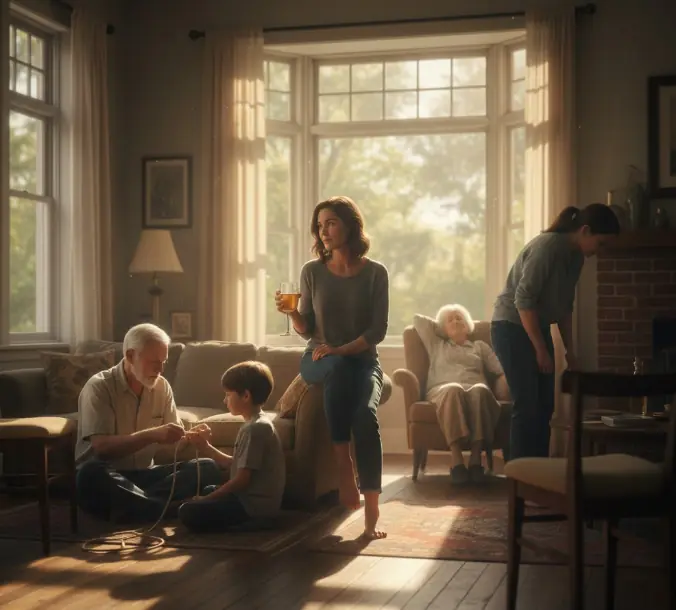
One family gathering forced me to see everyone including myself differently

The oldest child and the weight of being strong

When my parents got older our relationship quietly changed forever

I always tried to keep the peace in my family until i couldn’t anymore

I didn’t realize my childhood still shaped my marriage until one night

After the divorce i had to learn how to be a family in a new way
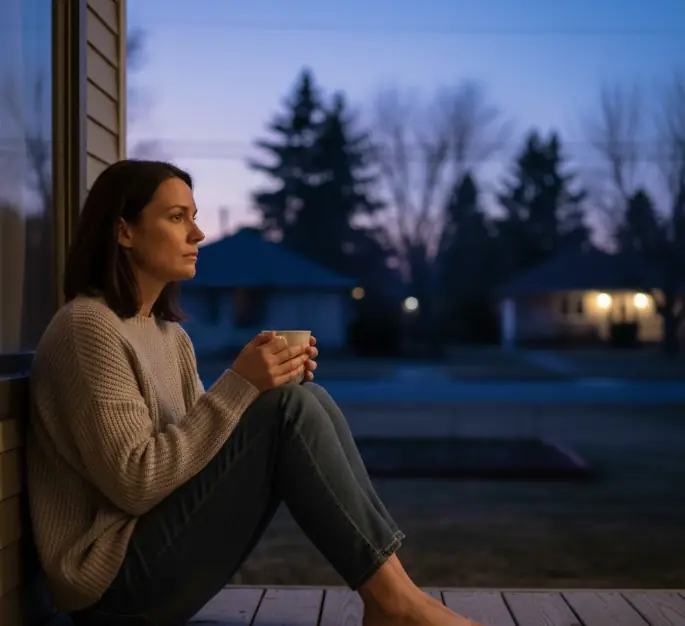
I loved my family deeply but i didn’t know how tired i had become

I’m entitled to property,” Georgy declared. “What property? Are you out of your mind or something?” Polina didn’t understand.


My Husband Made a List of Our Property—So I Took Out My Mother’s Will, and He Went Pale

— “Igor, you promised me your parents wouldn’t set foot in our home again after the last scandal! So why are they coming here again?!”

— “Let your mother look over the documents first before she opens her mouth,” Nadezhda said. “The apartment is registered in my name.”

No, I’m not going to cook for you. If you want, I can pour you some water,” I calmly told my husband’s relatives, who had shown up without warning.

The sheet of paper lay on the kitchen oilcloth—white and alien among the familiar mugs and bread crumbs

“How are you buying an apartment? After everything we’ve done for you! Traitors!” his parents-in-law raged


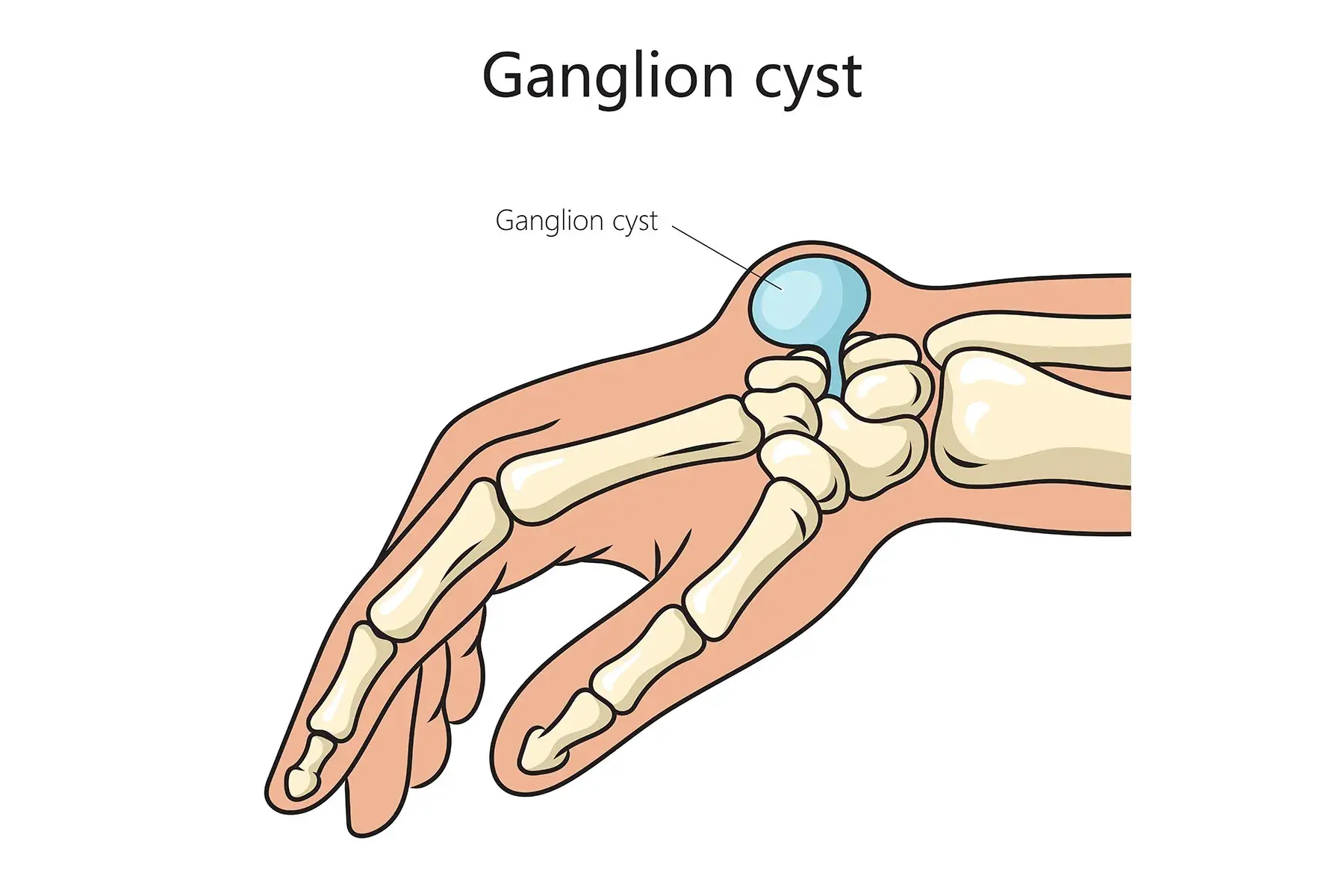
An Unusual Lump on the Wrist? Don’t Ignore It — It Could Signal a Serious Condition
I finally understood my family when i stopped expecting them to change

Itching in 9 areas of the body: When it could be a warning sign of serious illness

5 Common Foods That Can Harm Your Liver
One family gathering forced me to see everyone including myself differently
The oldest child and the weight of being strong

When a Lizard Appears in Your Home, It May Be Trying to Tell You Something…
When my parents got older our relationship quietly changed forever
I always tried to keep the peace in my family until i couldn’t anymore
I didn’t realize my childhood still shaped my marriage until one night
After the divorce i had to learn how to be a family in a new way

BE CAREFUL If You Get These Bruis:es On Your Body. Here's What It Means
I loved my family deeply but i didn’t know how tired i had become

Crispy cauliflower proves plant-based food can be bold and addictive.
I’m entitled to property,” Georgy declared. “What property? Are you out of your mind or something?” Polina didn’t understand.
My Husband Made a List of Our Property—So I Took Out My Mother’s Will, and He Went Pale
— “Igor, you promised me your parents wouldn’t set foot in our home again after the last scandal! So why are they coming here again?!”
— “Let your mother look over the documents first before she opens her mouth,” Nadezhda said. “The apartment is registered in my name.”