
I finally understood my family when i stopped expecting them to change
I finally understood my family when i stopped expecting them to change

The oldest child and the weight of being strong
The silence of my home office at 9:00 PM was usually my sanctuary, but tonight it felt like an interrogation room. I sat at my desk, staring at a stack of mail that wasn't mine—it was my parents' insurance paperwork—and a long thread of text messages from my younger siblings asking for advice on everything from car repairs to career shifts.
I am the oldest child. In my family, that title was never just a birth order; it was a job description. It was an unspoken contract I signed before I even knew how to write my own name.
Growing up, my identity was built on the pillars of being "the reliable one," "the second parent," and "the trailblazer." While my siblings were allowed the grace of mistakes and the freedom of spontaneity, I was the one who held the map. I remember being ten years old and feeling a profound sense of duty to ensure my younger brother had his lunch packed and his homework finished before I even thought about my own. I wasn't told to do these things, exactly—it was just the air I breathed. My parents were hardworking and loving, but they were often overwhelmed, and I instinctively stepped into the gaps they left behind.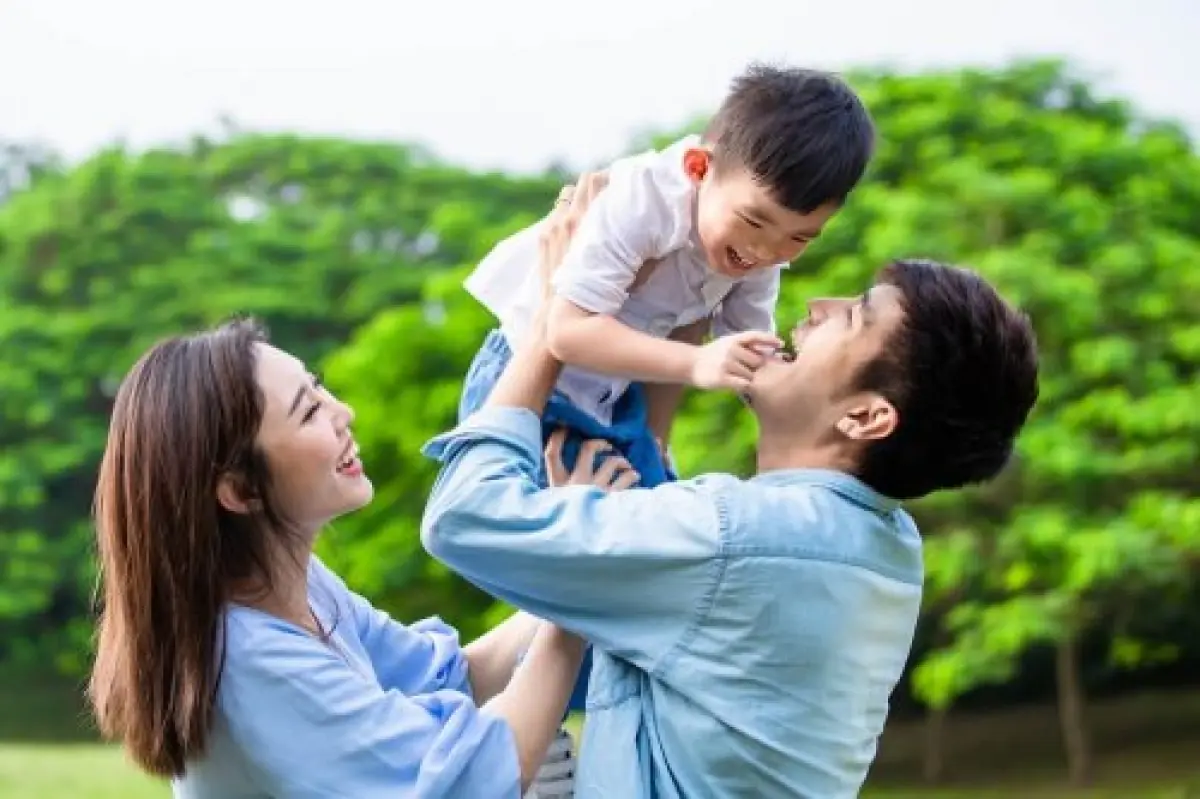
I carried that strength into my adult life like a badge of honor, building a career and a life where I was the person everyone turned to in a crisis. I was the one who organized the family reunions, the one who navigated the complexities of our aging parents' care, and the one who always had the answer.
But there is a hidden cost to being the person who never breaks.
The weight began to settle in a way I didn't recognize at first. It started as a persistent tension in my shoulders, a feeling of being constantly "on call" for the world. I found myself unable to relax, even on vacation, because my mind was busy auditing the needs of everyone else. I had become so practiced at anticipating other people’s problems that I had completely lost touch with my own.
The breaking point didn't come from a tragedy. It came from a Tuesday afternoon when the grocery store was out of the specific brand of coffee my mother liked.
I stood in the aisle, staring at the empty shelf, and I felt a sudden, terrifying urge to cry. It wasn't about the coffee, of course. It was about the fact that I had added "get Mom’s coffee" to a list of sixty other things I was doing for sixty other people, and the one small failure felt like the collapse of my entire worth. If I couldn't even get the coffee right, who was I?
I realized then that I wasn't "strong." I was just tired. I was an emotional marathon runner who had forgotten where the finish line was.
That night, I didn't answer the phone when it rang. It was my sister, likely wanting to vent about her boss. For the first time in my life, I let it go to voicemail. My heart hammered in my chest, a chorus of old "oldest child" guilt shouting that I was being selfish, that I was failing my post.
I sat in the quiet and asked myself a question I hadn't dared to voice in decades: What do I need right now?
The answer was so simple it was painful: I need to not be responsible for anyone else for an hour.
The transition from "the fixer" to a human being is a slow, uncomfortable process. I had to start drawing boundaries that felt like betrayals. I had to learn how to say, "I can’t help with that right now," and "I don't have the answer for you."
The hardest part was letting my siblings—and my parents—see me as vulnerable. I was terrified that if I stopped being the pillar, the roof would fall in on everyone I loved. But as I began to step back, a beautiful, unexpected thing happened: my siblings stepped up.
When I stopped jumping in to solve every problem, my brother found his own way to help our parents. When I admitted I was overwhelmed, my sister didn't judge me; she brought over dinner and told me to go take a nap. They didn't need me to be a superhero; they just needed me to be their sister.
I am still the oldest child. I still have that instinct to lead and to protect, and I still care deeply about my family’s well-being. But the "strength" I have now is different. It’s not the strength of a weight-bearer who refuses to bend; it’s the strength of someone who knows their own limits.
I’ve learned that being the oldest doesn't mean you have to be the only one. Identity isn't found in how much you can do for others, but in how truthfully you can live with yourself. I’m learning to ask for support, to share the map, and to let someone else pack the lunch for once. The sky hasn't fallen, the family is still whole, and for the first time in a very long time, I feel like I can finally breathe.
I finally understood my family when i stopped expecting them to change
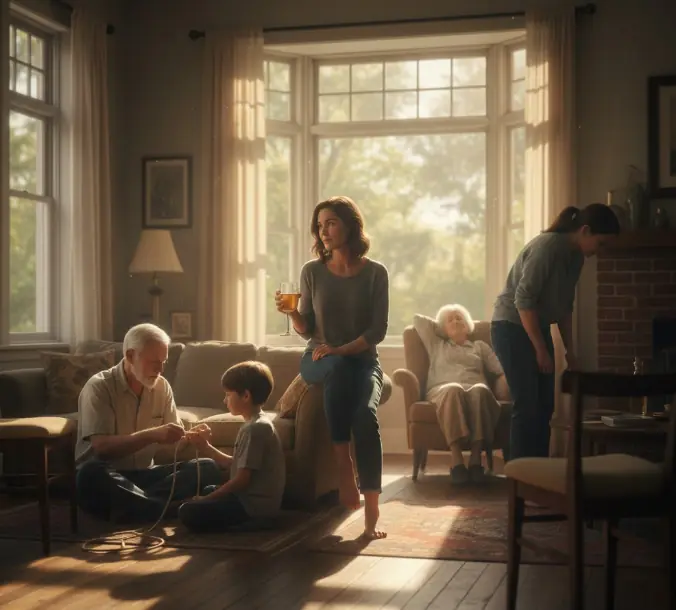
One family gathering forced me to see everyone including myself differently

When my parents got older our relationship quietly changed forever
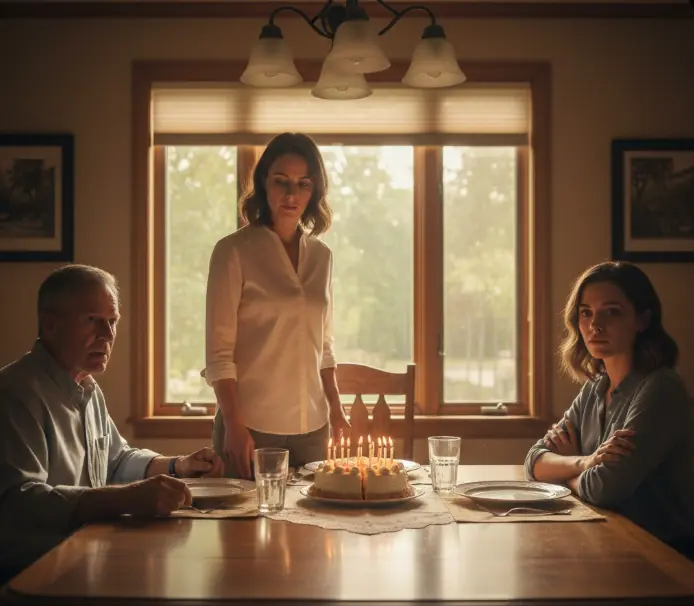
I always tried to keep the peace in my family until i couldn’t anymore
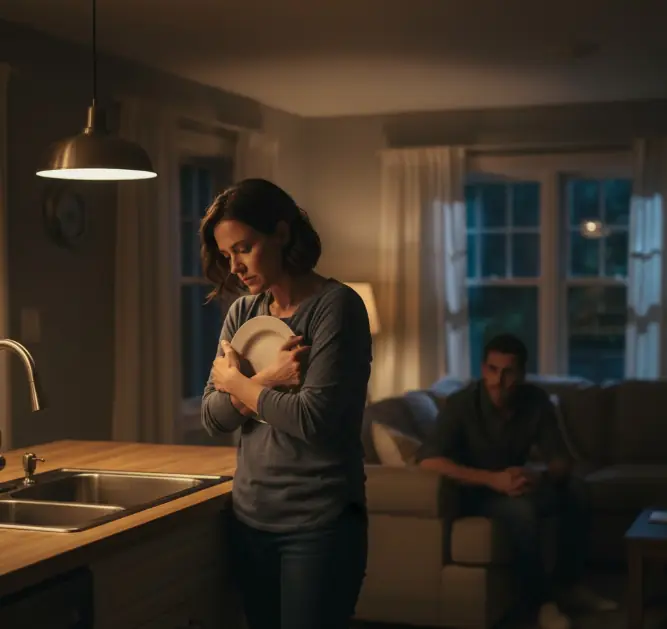
I didn’t realize my childhood still shaped my marriage until one night

After the divorce i had to learn how to be a family in a new way
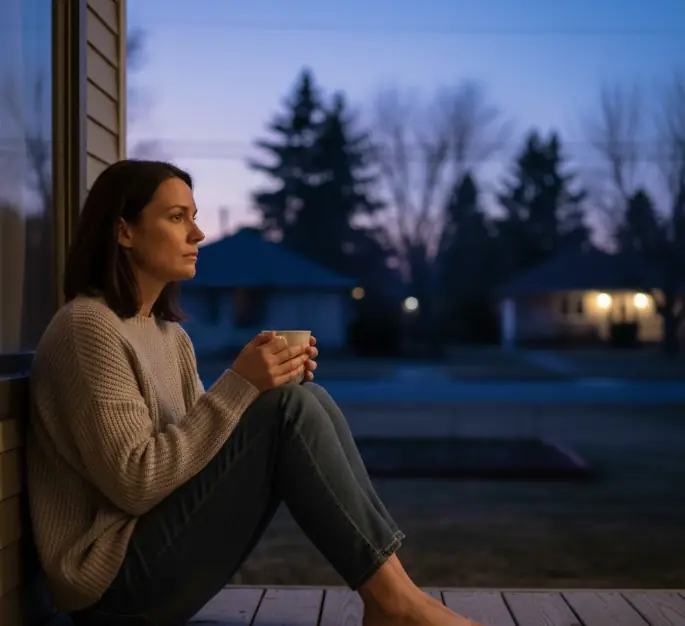
I loved my family deeply but i didn’t know how tired i had become
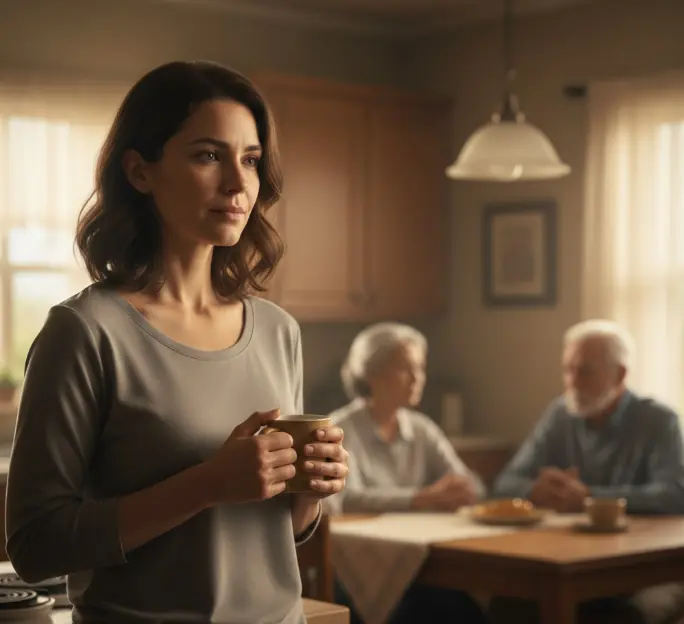
I never thought living with my in-laws would slowly change who i was

I’m entitled to property,” Georgy declared. “What property? Are you out of your mind or something?” Polina didn’t understand.

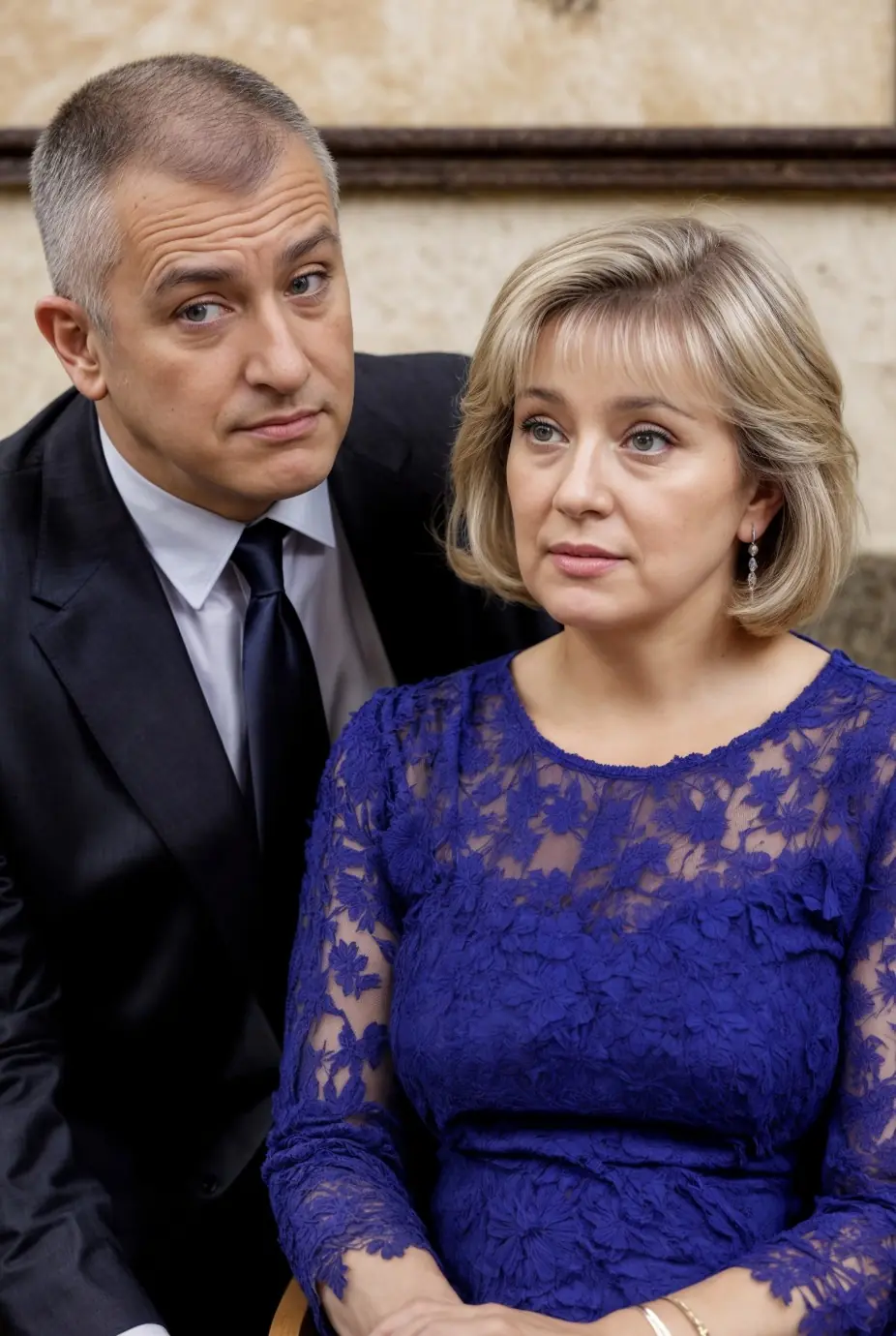
My Husband Made a List of Our Property—So I Took Out My Mother’s Will, and He Went Pale
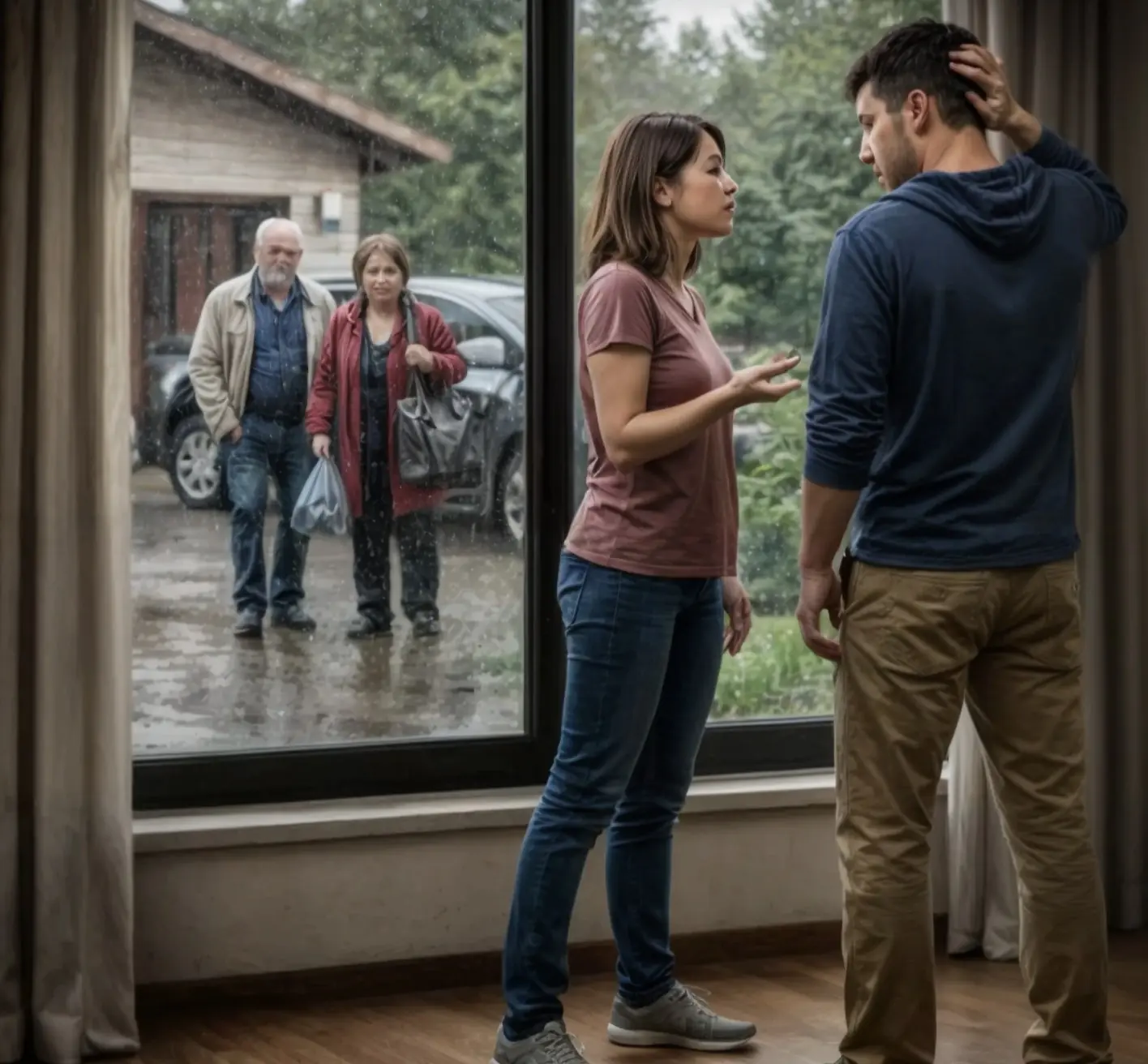
— “Igor, you promised me your parents wouldn’t set foot in our home again after the last scandal! So why are they coming here again?!”
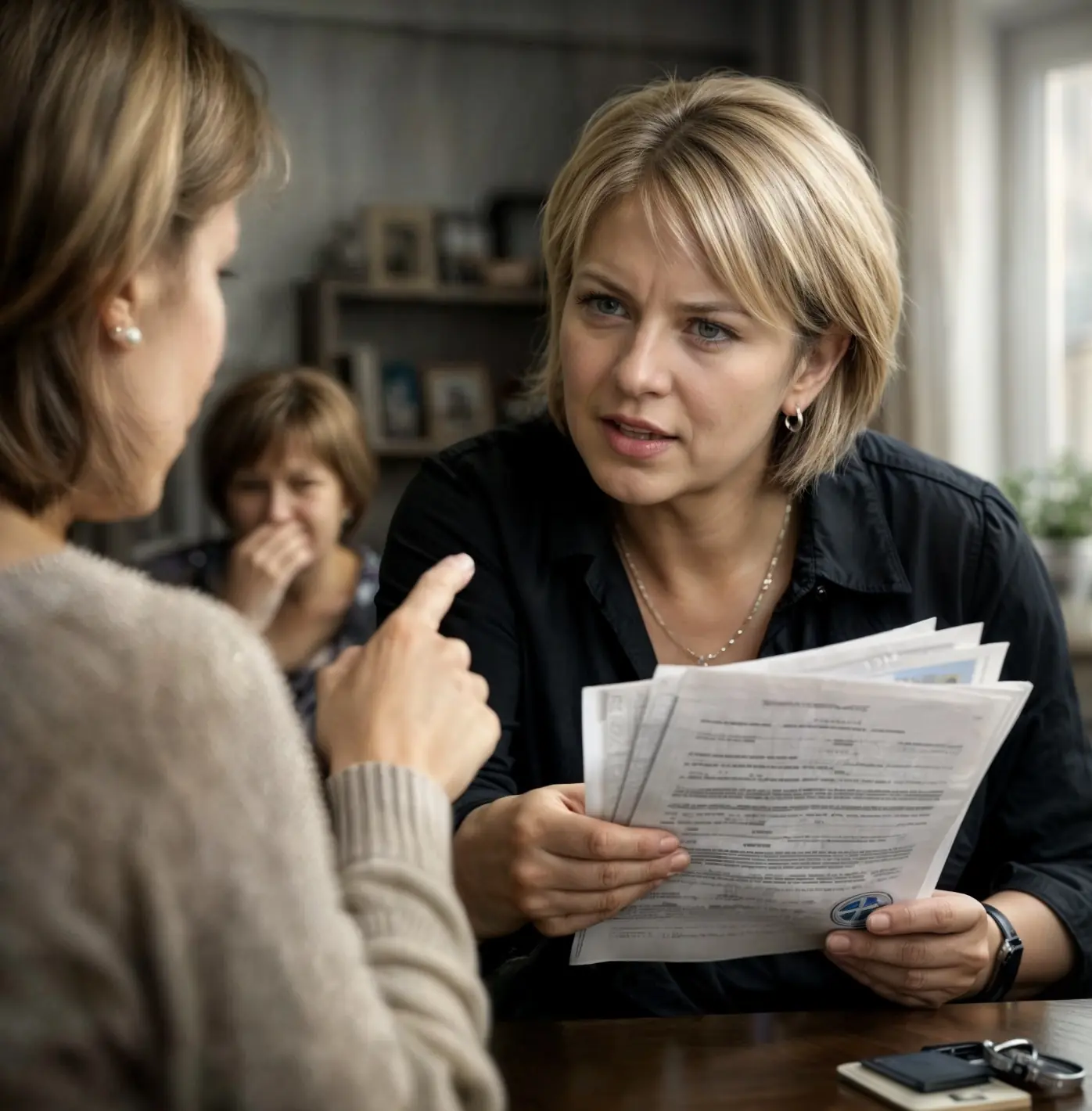
— “Let your mother look over the documents first before she opens her mouth,” Nadezhda said. “The apartment is registered in my name.”
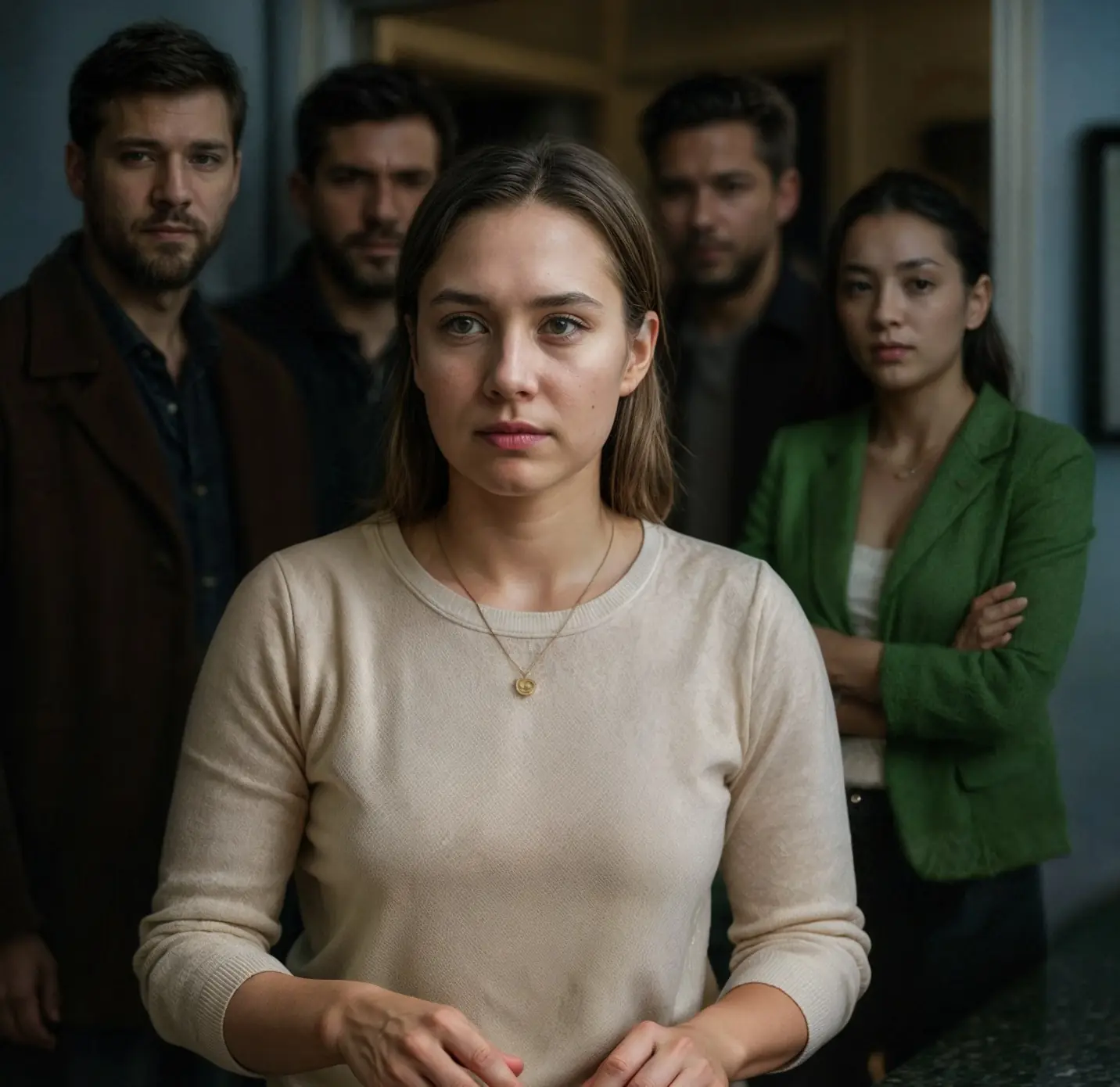
No, I’m not going to cook for you. If you want, I can pour you some water,” I calmly told my husband’s relatives, who had shown up without warning.
The sheet of paper lay on the kitchen oilcloth—white and alien among the familiar mugs and bread crumbs
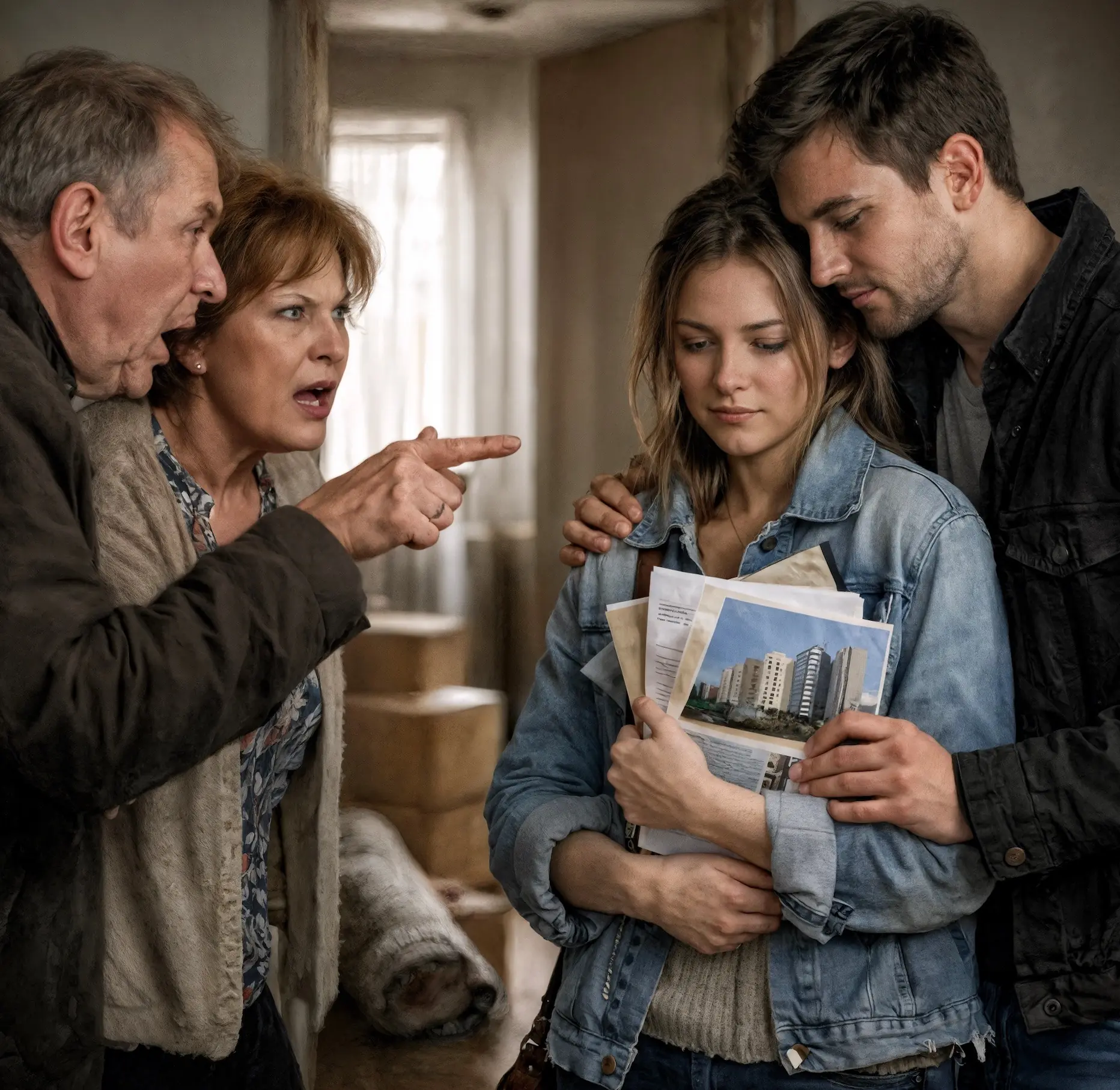
“How are you buying an apartment? After everything we’ve done for you! Traitors!” his parents-in-law raged



Don’t Panic: If a Snake Enters Your House, These Natural Repellents May Help
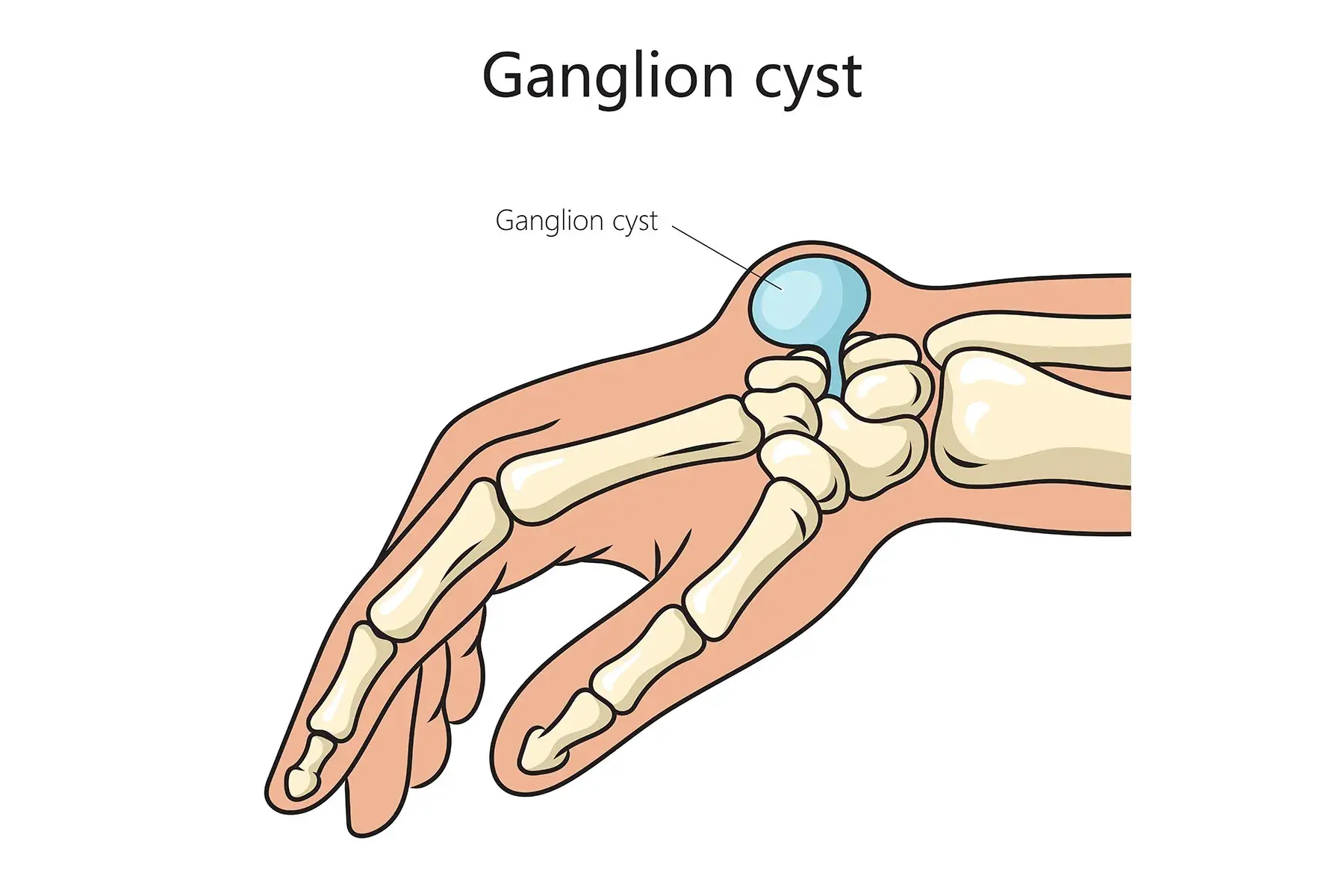
An Unusual Lump on the Wrist? Don’t Ignore It — It Could Signal a Serious Condition
I finally understood my family when i stopped expecting them to change
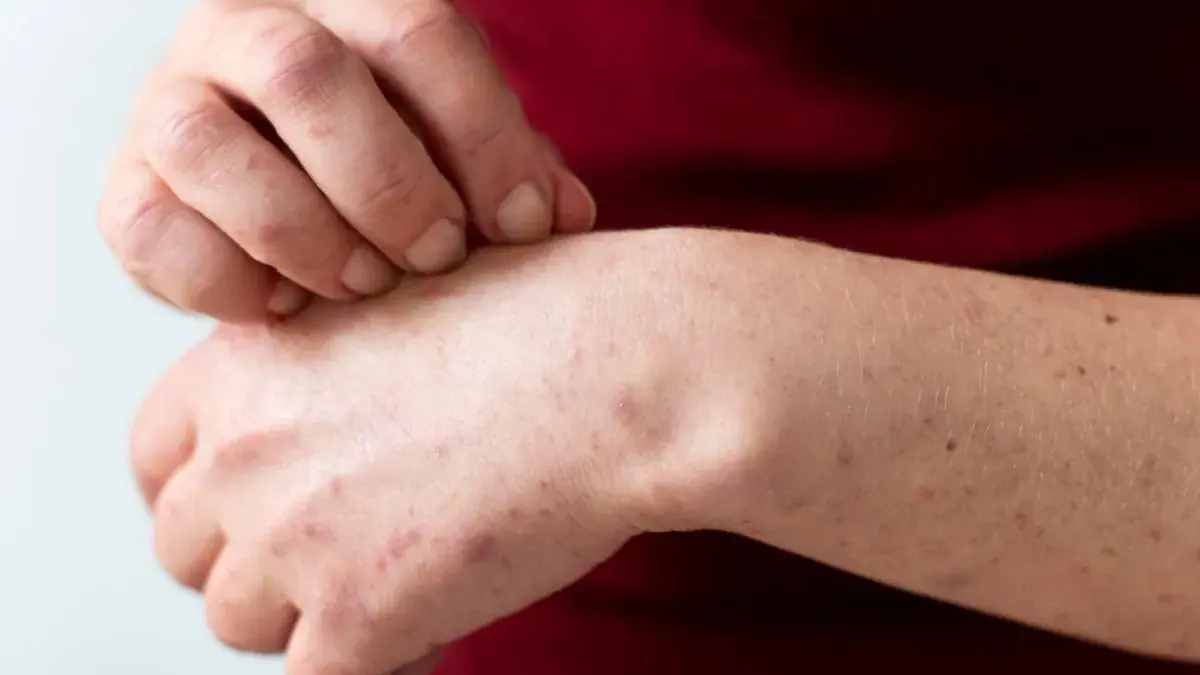
Itching in 9 areas of the body: When it could be a warning sign of serious illness

5 Common Foods That Can Harm Your Liver
One family gathering forced me to see everyone including myself differently

When a Lizard Appears in Your Home, It May Be Trying to Tell You Something…
When my parents got older our relationship quietly changed forever
I always tried to keep the peace in my family until i couldn’t anymore
I didn’t realize my childhood still shaped my marriage until one night
After the divorce i had to learn how to be a family in a new way

BE CAREFUL If You Get These Bruis:es On Your Body. Here's What It Means
I loved my family deeply but i didn’t know how tired i had become
I never thought living with my in-laws would slowly change who i was

Crispy cauliflower proves plant-based food can be bold and addictive.
I’m entitled to property,” Georgy declared. “What property? Are you out of your mind or something?” Polina didn’t understand.
My Husband Made a List of Our Property—So I Took Out My Mother’s Will, and He Went Pale
— “Igor, you promised me your parents wouldn’t set foot in our home again after the last scandal! So why are they coming here again?!”