Stomach pain is one of those symptoms people tend to ignore - until it refuses to be ignored. A dull ache, sharp stab, burning sensation, or
constant pressure in the abdomen can mean very different things depending on where the pain shows up. Doctors often start diagnosis by
asking one simple question: Where exactly does it hurt?
The abdomen is commonly divided into regions, and pain in each area can point toward specific organs and health issues. Below are six key
stomach pain locations and what they may reveal about your health.
1. Upper Middle Abdomen (Epigastric Area)
Where it is:
Right below the breastbone, above the belly button.
Common sensations:
Burning, gnawing pain, pressure, fullness, or discomfort after eating.
What it may indicate:
-
Acid reflux or gastritis
-
Stomach ulcers
-
Indigestion
-
Pancreatic irritation (in more serious cases)
Pain in this area is often related to digestion. If it worsens after meals, spicy food, alcohol, or stress, the stomach lining may be irritated.
Persistent or severe pain here should not be ignored, especially if it comes with nausea, vomiting, or unexplained weight loss.
2. Upper Right Abdomen
Where it is:
Below the right rib cage.
Common sensations:
Sharp or cramping pain, sometimes radiating to the back or right shoulder.
What it may indicate:
-
Gallbladder problems (gallstones or inflammation)
-
Liver issues
-
Bile duct obstruction
Pain in this region often appears after eating fatty or heavy meals. If the pain is intense, lasts for hours, or comes with fever, nausea, or
yellowing of the skin or eyes, medical attention is essential.
3. Upper Left Abdomen
Where it is:
Below the left rib cage.
Common sensations:
Sharp pain, fullness, or aching.
What it may indicate:
-
Stomach-related issues
-
Spleen problems
-
Trapped gas or bloating
-
In rare cases, heart-related pain (especially if combined with chest discomfort)
This area can be tricky because gas pain and serious conditions may feel similar. If pain here is sudden, severe, or paired with dizziness or
shortness of breath, it should be checked promptly.
4. Around the Belly Button (Periumbilical Area)
Where it is:
Centered around the navel.
Common sensations:
Cramping, dull pain, or pressure.
What it may indicate:
-
Early appendicitis
-
Intestinal infections
-
Food poisoning
-
Digestive upset
Pain around the belly button that later shifts to the lower right abdomen is a classic sign of appendicitis. Temporary pain here is often
harmless, but worsening or migrating pain is a red flag.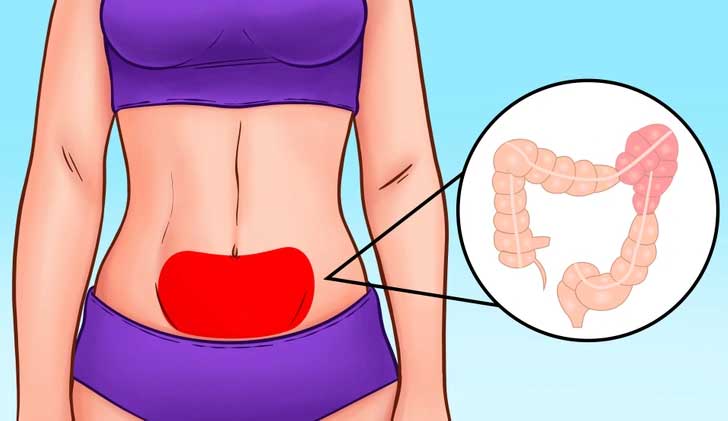
5. Lower Right Abdomen
Where it is:
Below the belly button on the right side.
Common sensations:
Sharp, stabbing pain that worsens with movement or pressure.
What it may indicate:
-
Appendicitis
-
Intestinal inflammation
-
Ovarian issues (in females)
This is one of the most critical pain locations. Sudden, severe pain here - especially with fever, nausea, or loss of appetite requires immediate
medical evaluation.
6. Lower Left Abdomen
Where it is:
Below the belly button on the left side.
Common sensations:
Constant ache, cramping, or tenderness.
What it may indicate:
-
Colon-related conditions
-
Constipation
-
Intestinal inflammation
-
Reproductive organ issues (in females)
Pain in this area is often linked to bowel function. If accompanied by changes in bowel habits, blood in stool, or persistent discomfort, it
should be investigated.

Why Pain Location Matters (But Isn’t Everything)
While pain location offers strong clues, it is not a diagnosis on its own. Factors such as:
-
Pain intensity
-
Duration
-
Timing (before or after meals)
-
Associated symptoms (fever, nausea, vomiting, bloating, weight loss)
all play a crucial role in understanding what’s really going on.
For example, mild stomach pain that disappears in a few hours is usually harmless. But pain that is severe, persistent, worsening, or
accompanied by alarming symptoms should always be checked by a healthcare professional.
When to Seek Medical Help Immediately
Do not wait if stomach pain is:
-
Sudden and severe
-
Accompanied by fever or vomiting
-
Paired with chest pain or shortness of breath
-
Associated with blood in stool or vomit
-
Persistent for several days without improvement
Final Thoughts
Your body communicates through pain, and where it hurts is often the first clue. Learning to recognize these six stomach pain locations
helps you respond earlier, ask better questions, and seek help when needed.
Stomach pain may be common - but ignoring its signals can be costly. Listening carefully could make all the difference.