People with Healthy Kidneys Will Not Have These 3 Skin Signs — What Your Body May Be Telling You
The kidneys play a critical role in keeping the body balanced. They filter waste, regulate fluids, control blood pressure, and help maintain healthy skin by removing toxins from the bloodstream. When kidney function begins to decline, the effects are not limited to the urinary system — they often appear on the skin.
Skin changes do not automatically mean kidney disease. Many harmless conditions can cause similar symptoms. However, certain persistent skin signs may indicate that the kidneys are under strain and not working as efficiently as they should. Recognizing these early signals can encourage timely medical evaluation and better outcomes.
Here are three skin-related signs that doctors often associate with impaired kidney function.
1. Persistent Dry, Itchy Skin
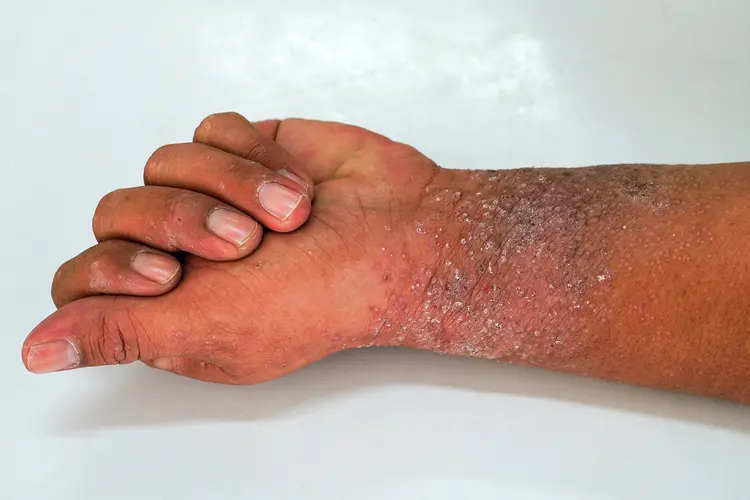
Dry skin is common, especially in cold weather. But ongoing dryness and itching that doesn’t improve with moisturizers can be a warning sign of kidney-related imbalance.
Healthy kidneys help maintain the right balance of minerals and nutrients in the blood. When this balance is disrupted, the skin may lose moisture and elasticity. In more advanced cases, waste products can accumulate in the bloodstream, irritating nerve endings in the skin and causing persistent itching.
This itching often:
-
Occurs without a visible rash
-
Feels deep and uncomfortable
-
Worsens at night
-
Does not respond well to topical creams
While dry skin alone is not a diagnosis, chronic itching combined with fatigue or swelling deserves attention.


2. Unusual Changes in Skin Color
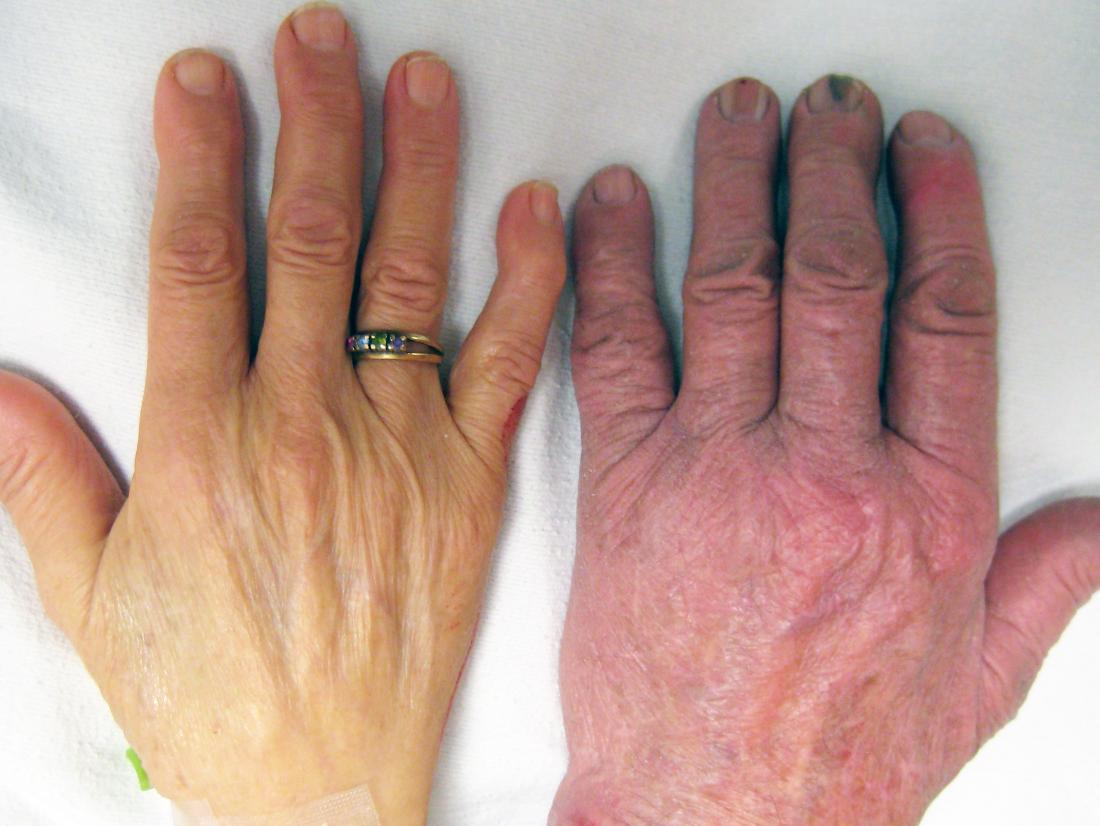
Changes in skin tone can also reflect kidney stress. People with kidney dysfunction may notice skin that appears pale, grayish, or yellowish over time. This happens because the kidneys help regulate red blood cell production and remove waste from the body.
When kidney function declines:
-
Fewer red blood cells may be produced, leading to paleness
-
Waste buildup can give the skin a dull or yellow tint
-
Poor circulation may make the skin look lifeless or uneven
These changes often develop gradually and may be mistaken for aging or fatigue. However, persistent color changes without a clear cause should not be ignored, especially when paired with other symptoms.


3. Puffiness or Swelling Under the Eyes and Extremities
One of the most recognizable signs linked to kidney issues is swelling, particularly around the eyes, face, hands, or ankles. This occurs when the kidneys cannot properly remove excess fluid and sodium from the body.
Swelling related to kidney function:
-
Is often worse in the morning (especially under the eyes)
-
May leave an indentation when pressed
-
Can affect both sides of the body
-
Tends to persist rather than fluctuate
While swelling can result from many benign causes, persistent puffiness without explanation should be evaluated, especially if it is accompanied by changes in urination or fatigue.


Why the Skin Reflects Kidney Health
The skin is one of the body’s largest organs and often mirrors internal imbalances. When the kidneys fail to effectively filter blood, toxins and excess fluids can affect skin hydration, color, and texture.
These signs usually don’t appear suddenly. They develop gradually, which makes them easy to dismiss. Paying attention to long-lasting or unusual changes is key to early detection.
What These Signs Do Not Mean
It’s important to avoid panic. These skin changes:
-
Do not confirm kidney disease on their own
-
Can be caused by allergies, dehydration, aging, or lifestyle factors
-
Require medical tests for accurate diagnosis
Online information is useful for awareness, but only blood and urine tests can assess kidney function accurately.
When to See a Doctor
You should consider medical evaluation if skin changes are accompanied by:
-
Fatigue or weakness
-
Changes in urination frequency or color
-
Persistent swelling
-
High blood pressure
-
Unexplained nausea or loss of appetite
Early testing can detect kidney issues before serious damage occurs.
Final Thoughts
Healthy kidneys quietly support nearly every system in the body — including the skin. When they struggle, the skin may be one of the first places to show subtle signs. These changes are not meant to scare, but to inform.
Listening to your body early doesn’t create problems. It creates opportunities for prevention, treatment, and long-term health.
Your skin may be telling a story — learning how to read it matters.