3 Signs of Fatty Liver That Appear on the Hands and Arms
Fatty liver disease is often called a “silent condition” because it can progress for years without obvious symptoms. Many people assume that liver problems only cause internal issues, but in reality, the liver’s health is often reflected on the skin—especially on the hands and arms. These visible signs may appear early, long before serious liver damage is diagnosed.
Recognizing these warning signals can help prompt timely medical evaluation and lifestyle changes that may prevent disease progression.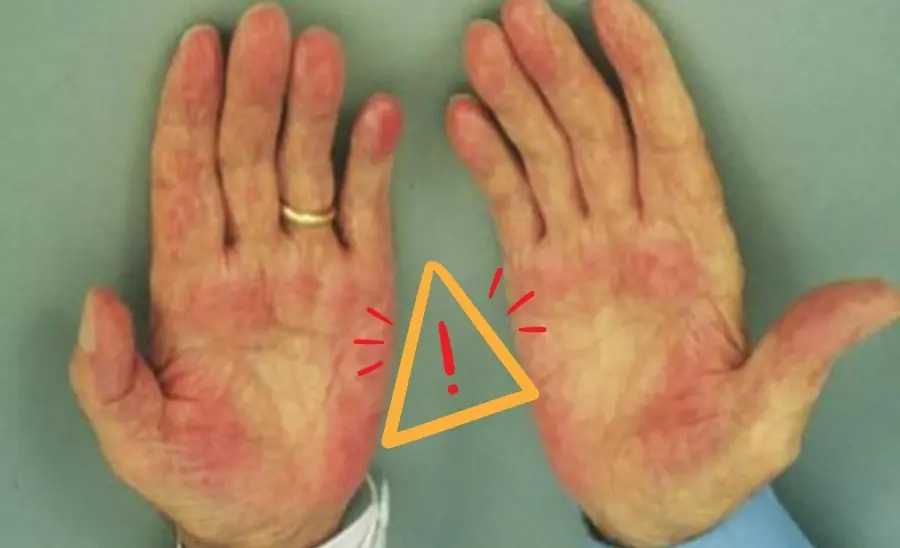
Why the Liver Affects the Skin
The liver plays a central role in:
-
Detoxifying harmful substances
-
Regulating hormones
-
Processing fats and sugars
-
Producing proteins essential for blood circulation
When fat accumulates in liver cells, these functions become impaired. As toxins and metabolic byproducts build up in the bloodstream, the skin—particularly areas with rich blood supply like the hands and arms—may begin to show visible changes.
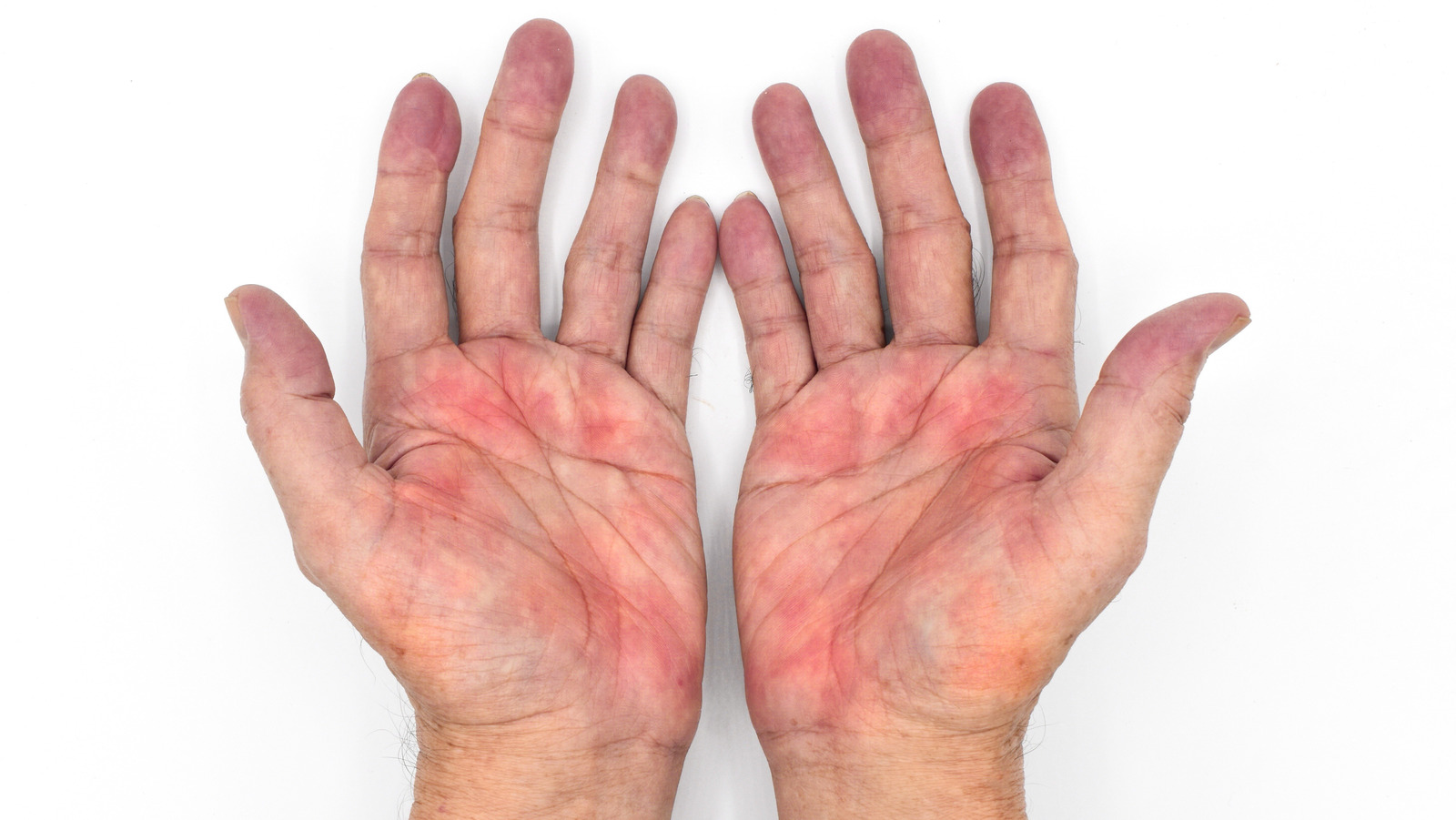
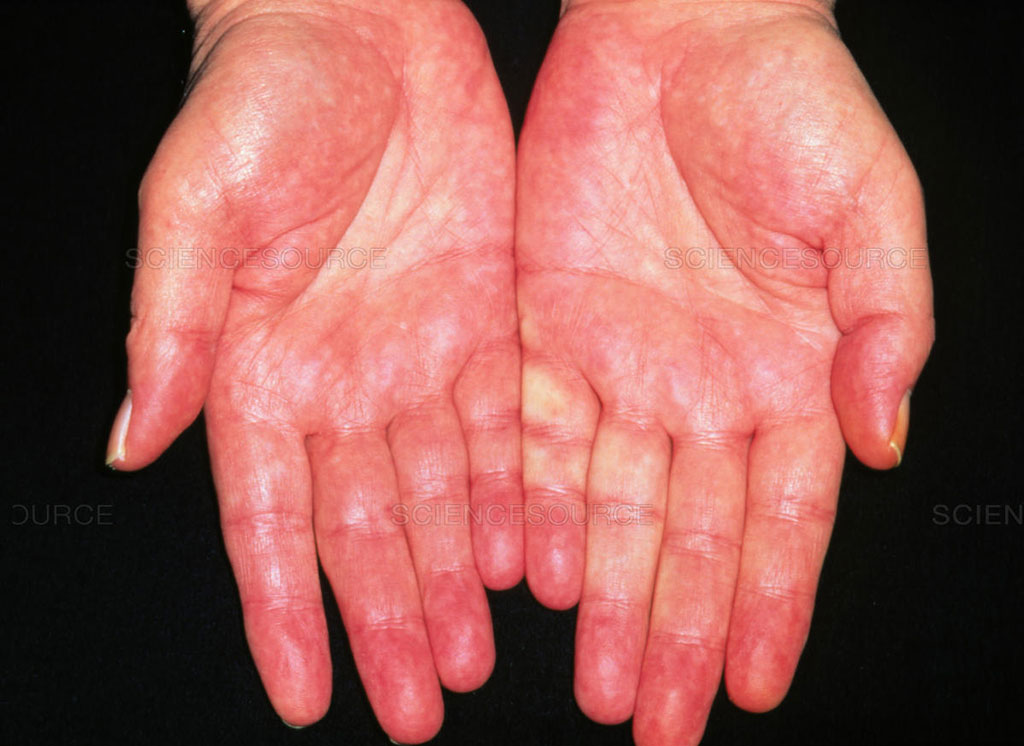
1. Red Palms (Palmar Erythema)
One of the most well-known skin signs associated with fatty liver disease is palmar erythema, a condition where the palms appear unusually red or flushed.
This redness is typically:
-
Symmetrical on both hands
-
Most noticeable on the base of the thumb and little finger
-
Not itchy or painful
Why it happens:
Fatty liver can disrupt hormone metabolism, especially estrogen. Elevated estrogen levels cause dilation of small blood vessels, leading to persistent redness in the palms.
While palmar erythema can occur in other conditions, its presence alongside fatigue, weight gain, or abnormal liver tests should not be ignored.
2. Itchy, Dry, or Thickened Skin on Arms
Unexplained itching or dryness on the arms may be an early external sign of liver stress. Many people mistakenly attribute this to allergies or aging skin, delaying proper evaluation.
In fatty liver disease:
-
Bile flow may become impaired
-
Toxins that should be filtered by the liver accumulate
-
Skin nerves become irritated
This can result in:
-
Persistent itching without rash
-
Dry, flaky patches on forearms
-
Thickened or rough skin texture
Scratching often worsens the condition, leading to secondary skin damage. When itching persists without a clear dermatological cause, liver function should be considered as a possible underlying factor.
3. Spider Veins and Visible Blood Vessels
Spider angiomas—small, spider-like clusters of blood vessels—can appear on the arms and hands in people with fatty liver disease, especially as it progresses.
These vessels:
-
Have a central red dot with radiating lines
-
Become more visible when pressed
-
Often fade temporarily under pressure
The underlying mechanism:
Liver dysfunction interferes with normal hormone breakdown, leading to vascular changes. Increased estrogen causes abnormal dilation of surface blood vessels, making them visible through the skin.
While a few spider veins can be harmless, multiple or rapidly appearing lesions warrant further medical assessment.
Why These Signs Matter
Fatty liver disease exists on a spectrum. It may begin as simple fat accumulation but can progress to:
-
Inflammation
-
Fibrosis
-
Cirrhosis
-
Liver failure
Skin signs are often early warning indicators, appearing before severe liver damage occurs. Ignoring them may allow the disease to advance silently.
What to Do If You Notice These Symptoms
If changes on the hands or arms persist, the next steps should include:
-
Blood tests to evaluate liver enzymes
-
Imaging studies such as ultrasound
-
Review of diet, alcohol intake, and medications
Early-stage fatty liver disease is often reversible with lifestyle changes, including:
-
Weight management
-
Reduced sugar and saturated fat intake
-
Regular physical activity
-
Avoidance of alcohol
Prevention and Long-Term Care
Protecting liver health requires consistency rather than extreme measures. Key strategies include:
-
Balanced nutrition
-
Adequate hydration
-
Managing blood sugar and cholesterol
-
Routine health screenings
The hands and arms can serve as visible messengers of internal health. Paying attention to subtle changes may provide an opportunity for early intervention.
Final Thought
Fatty liver disease does not always announce itself with pain or dramatic symptoms. Sometimes, the body speaks quietly—through the skin. Red palms, persistent itching, or unusual blood vessels should not be dismissed as cosmetic issues.
Listening to these signs and acting early can protect liver function and prevent long-term complications.
If you want this rewritten in a more viral headline style, Facebook health post, or medical explainer tone, just tell the format.