A Woman Became Paralyzed on One Side After Turning Over in Bed to Reach Her Phone at Midnight: Do Not Ignore These Warning Signs
It sounds like a moment so ordinary that most people would never think twice about it. Reaching for a phone in the middle of the night. Rolling over in bed. A small movement, barely worth remembering. Yet for one woman, that single moment marked the beginning of a life-altering medical emergency. By the time help arrived, one side of her body was no longer responding.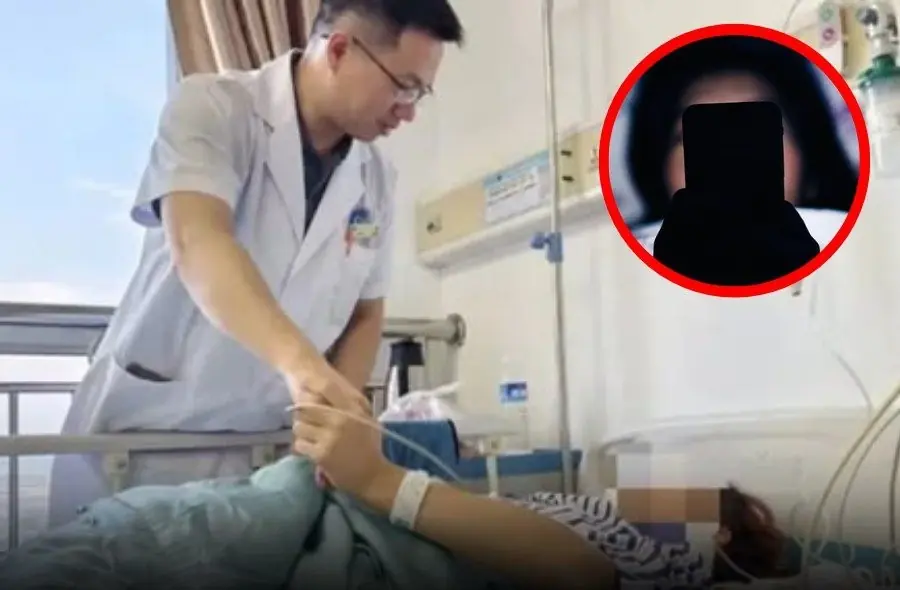
Stories like this are shocking not because they are dramatic, but because they are familiar. Medical emergencies do not always begin with pain, collapse, or loud alarms. Sometimes, they begin quietly, disguised as fatigue, dizziness, or an awkward movement. That is what makes them so dangerous.
In this case, the woman experienced sudden weakness on one side of her body after turning over in bed. What she did not realize at the time was that she was likely experiencing a neurological event, such as a stroke or a temporary disruption of blood flow to the brain. These events can happen without warning and often strike when the body is at rest.
A stroke occurs when blood flow to part of the brain is interrupted, either by a blockage or a ruptured vessel. Brain cells are extremely sensitive to oxygen loss. Within minutes, damage can begin, affecting movement, speech, vision, or consciousness. The faster treatment begins, the greater the chance of recovery.
One of the most frightening aspects of strokes is how subtle the early signs can be. Not all strokes cause sudden collapse. Some begin with numbness, tingling, or weakness on one side of the body. Others start with slurred speech, facial drooping, or confusion. In many cases, people hesitate, hoping symptoms will pass.
Turning over in bed did not cause the paralysis. Rather, it revealed a problem that was already developing. During sleep, blood pressure, heart rate, and circulation patterns change. For individuals with underlying risk factors, this can sometimes trigger or expose a serious event. The movement was not the cause, but the moment of realization.
There are several warning signs that should never be ignored, especially when they appear suddenly:
Sudden weakness or numbness on one side of the body, including the face, arm, or leg, is one of the most classic red flags. If one arm feels heavy or refuses to move normally, it is not something to “sleep off.”
Difficulty speaking or understanding speech is another major sign. Slurred words, confusion, or the inability to find simple words can indicate that the brain’s language centers are affected.
Facial drooping, especially on one side, is often visible when smiling. One side of the face may appear uneven or unresponsive.
Sudden dizziness, loss of balance, or coordination problems can signal that areas of the brain controlling movement are involved. This is often mistaken for low blood pressure or fatigue.
Vision problems, such as blurred vision, double vision, or sudden loss of sight in one eye, should also raise immediate concern.
What makes these symptoms especially dangerous is that they are often painless. The absence of pain does not mean the absence of danger. The brain can be injured without sending strong pain signals, allowing damage to progress silently.
In many cases, people delay seeking help because symptoms seem mild or confusing. Some wait for morning. Others blame stress, poor sleep, or phone use. Time lost is brain lost. Every minute without treatment increases the risk of permanent damage.
Certain factors increase the risk of stroke, including high blood pressure, smoking, diabetes, heart disease, high cholesterol, and chronic stress. However, strokes can also occur in people who consider themselves relatively healthy. No one is completely immune.
Recovery after paralysis depends heavily on how quickly treatment begins. Early intervention can restore blood flow, limit damage, and improve long-term outcomes. Delayed treatment often results in prolonged disability, rehabilitation, or permanent loss of function.
This story is not meant to create fear, but awareness. The body gives warnings before catastrophe, but only if we are willing to notice them. Sudden changes should never be ignored, especially when they involve movement, speech, or sensation.
Reaching for a phone at midnight should be harmless. But if that movement reveals weakness, numbness, or confusion, it is not exhaustion or inconvenience. It is a medical emergency.
Listening to the body, acting quickly, and seeking help without delay can mean the difference between recovery and lifelong consequences. When the brain asks for help, it does not ask twice.