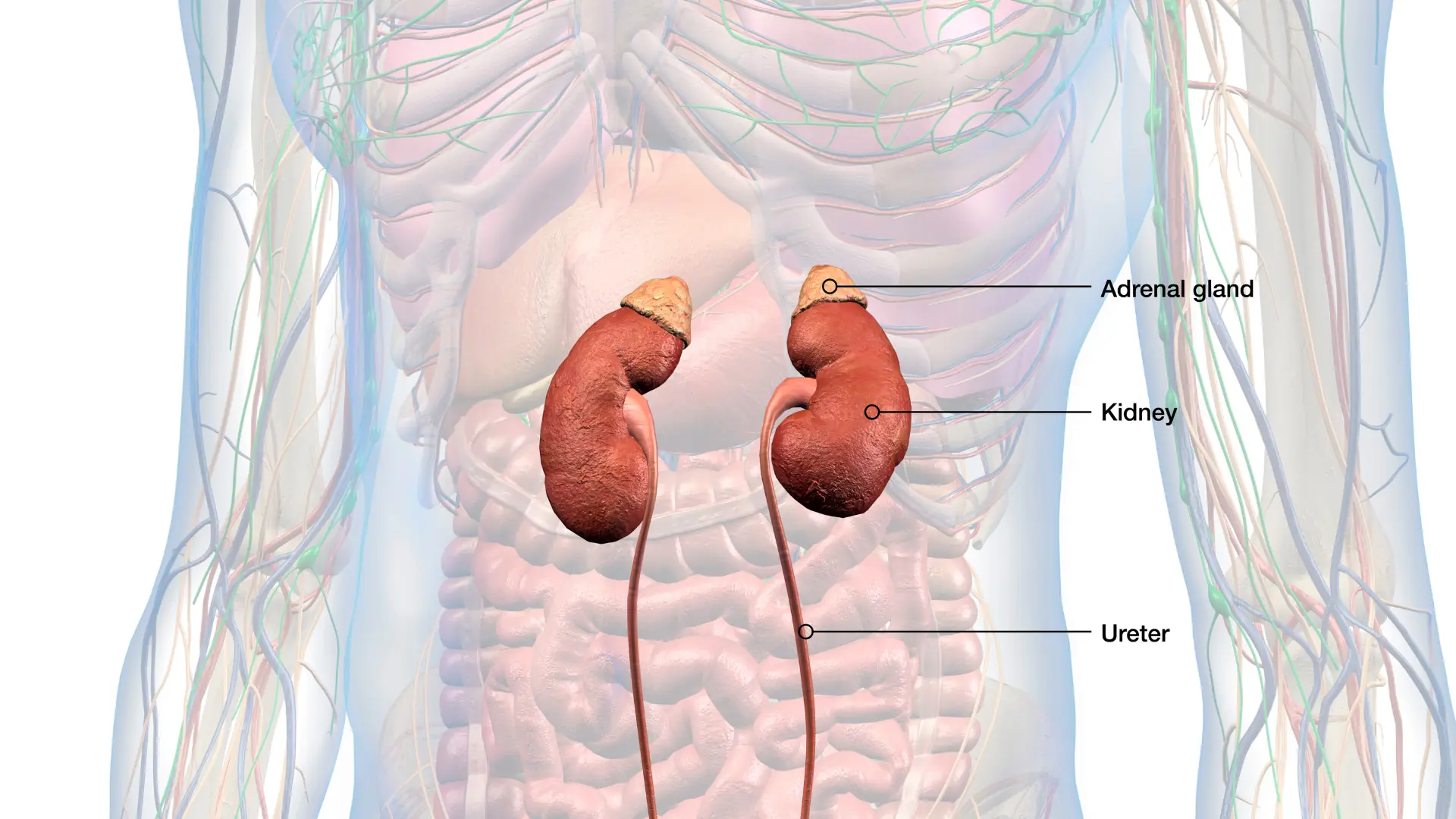
Maintaining a healthy body weight is not only about appearance - it also plays an important role in long-term health. One particular type of fat that has gained attention in recent years is visceral fat, which is stored deep inside the abdomen and surrounds vital organs such as the liver, pancreas, and intestines.
Unlike subcutaneous fat, which lies just beneath the skin, visceral fat is associated with higher risks of metabolic issues, including heart disease, type 2 diabetes, and inflammation. Fortunately, dietary choices can influence both gut health and fat metabolism, making nutrition a powerful tool in maintaining balance within the body.
Certain foods contain fiber, probiotics, antioxidants, and healthy fats that support digestion while also helping regulate metabolism and fat storage. Below are five nutritious foods that may promote a healthier gut and help reduce visceral fat when included as part of a balanced lifestyle.
1. Yogurt and Fermented Dairy Products
Yogurt is widely known for its probiotic content, which contains beneficial bacteria that support the digestive system. A healthy gut microbiome plays an important role in digestion, nutrient absorption, and even metabolism.
Probiotics found in yogurt help maintain a balance between beneficial and harmful bacteria in the gut. This balance may influence how the body processes food and stores fat.
Benefits for Gut Health
-
Supports beneficial gut bacteria
-
Helps maintain healthy digestion
-
May reduce digestive discomfort
Potential Role in Visceral Fat Management
Some research suggests that balanced gut bacteria may influence how the body regulates fat storage and inflammation, both of which are linked to visceral fat accumulation.
When choosing yogurt, options with live active cultures and minimal added sugar are often the best choice.

2. Oats and Whole Grains
Oats are a rich source of soluble fiber, particularly a type known as beta-glucan. Soluble fiber absorbs water in the digestive tract and forms a gel-like substance that slows digestion.
This process can help stabilize blood sugar levels and promote a longer feeling of fullness, which may reduce overeating.
Benefits for Gut Health
-
Feeds beneficial gut bacteria
-
Promotes regular digestion
-
Supports healthy intestinal function
Potential Role in Reducing Visceral Fat
By stabilizing blood sugar and improving satiety, whole grains like oats may help regulate calorie intake and reduce fat accumulation in the abdominal area.
Whole grains also provide additional nutrients such as magnesium, iron, and B vitamins.

3. Avocados
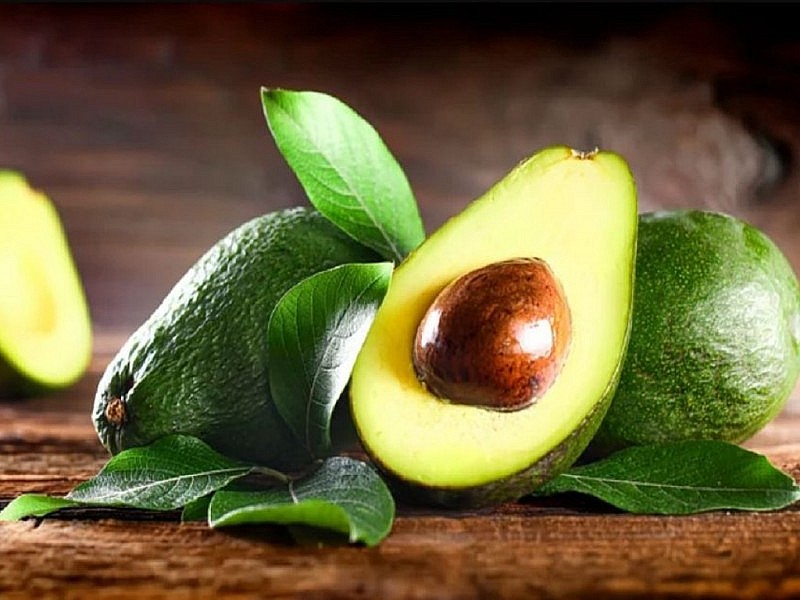
Avocados are well known for their healthy monounsaturated fats, which support heart health and metabolic balance. They are also a good source of dietary fiber, making them beneficial for digestion.
A single avocado contains both soluble and insoluble fiber, helping promote a healthy digestive environment.
Benefits for Gut Health
-
Provides fiber that supports digestion
-
Encourages beneficial gut bacteria
-
Helps maintain digestive balance
Potential Role in Managing Visceral Fat
Healthy fats can help regulate appetite hormones and reduce cravings. Some studies suggest that diets rich in monounsaturated fats may help reduce abdominal fat when combined with healthy eating habits.
Avocados also provide potassium and antioxidants that support overall health.
4. Berries
Berries such as blueberries, strawberries, raspberries, and blackberries are rich in fiber and antioxidants. These compounds support both gut health and metabolic function.
The fiber in berries helps feed beneficial gut bacteria, while antioxidants help protect cells from oxidative stress.
Benefits for Gut Health
-
Promotes healthy gut bacteria
-
Supports digestive balance
-
Provides natural anti-inflammatory compounds
Potential Role in Reducing Visceral Fat
Antioxidants found in berries may help reduce inflammation, which is often associated with excess visceral fat. Additionally, the natural sweetness of berries makes them a healthier alternative to high-sugar desserts.
Including berries in breakfast, smoothies, or snacks can be a simple way to boost nutrient intake.
5. Leafy Green Vegetables
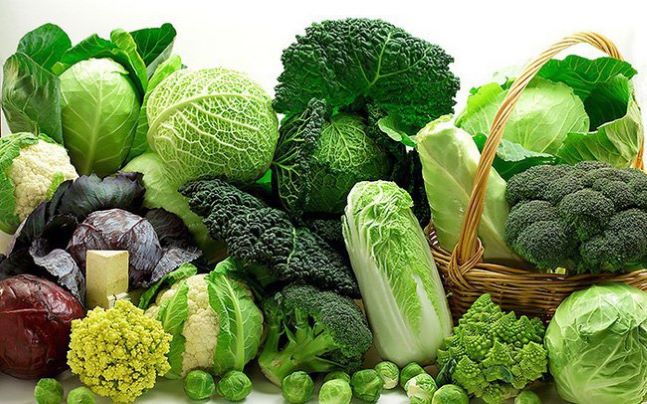
Leafy greens such as spinach, kale, and Swiss chard are nutrient-dense foods that support overall health and digestion.
These vegetables are rich in fiber, vitamins, and plant compounds that promote healthy metabolism.
Benefits for Gut Health
-
Provides fiber that supports digestion
-
Encourages beneficial gut bacteria
-
Helps maintain regular bowel function
Potential Role in Visceral Fat Reduction
Leafy greens are low in calories but rich in nutrients, making them an excellent food for maintaining a balanced diet and managing body weight.
They also contain compounds that may support blood sugar regulation and metabolic health.
The Connection Between Gut Health and Visceral Fat
Recent research has highlighted the strong connection between gut microbiota and fat storage.
The gut microbiome—the community of microorganisms living in the digestive tract—plays a key role in:
-
Nutrient absorption
-
Metabolism
-
Inflammation regulation
-
Energy balance
An unhealthy gut microbiome may contribute to metabolic imbalances that promote fat storage, particularly in the abdominal region.
By consuming foods that support beneficial gut bacteria, individuals may help promote healthier metabolic function.
Lifestyle Habits That Support Both Gut Health and Fat Balance
While diet is an important factor, other lifestyle habits also influence visceral fat levels and digestive health.
Helpful habits include:
Regular Physical Activity
Exercise helps burn calories and supports metabolic balance.
Adequate Sleep
Sleep plays a role in hormone regulation and appetite control.
Stress Management
Chronic stress can influence digestion and fat storage.
Balanced Nutrition
A diet rich in whole foods, fiber, and healthy fats supports overall wellness.
Combining these habits with gut-friendly foods creates a stronger foundation for long-term health.

Final Thoughts
Visceral fat is closely connected to metabolic health, and maintaining a healthy digestive system may help support better weight balance and overall well-being. Foods such as yogurt, oats, avocados, berries, and leafy greens provide valuable nutrients that support gut health while contributing to balanced metabolism.
Although no single food can eliminate visceral fat on its own, consistent healthy eating habits and an active lifestyle can play an important role in maintaining a healthier body.
By choosing nutrient-rich foods that support both digestion and metabolism, individuals can take meaningful steps toward improving their long-term health.