Cracked heels are a common foot problem experienced by people of all ages. Many assume that the issue is simply the result of dry skin, especially during colder months or in dry climates. While dryness is indeed one of the most frequent causes, it is not the only factor that can lead to cracked heels.
In some cases, cracks in the heels may develop due to pressure, lifestyle habits, skin conditions, or underlying health issues. Understanding the potential causes can help individuals take the right steps to improve foot health and prevent complications.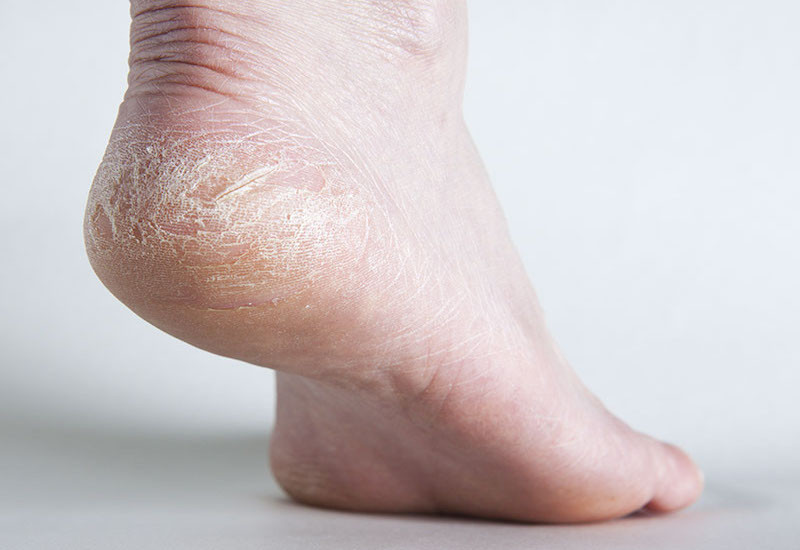
What Are Cracked Heels?
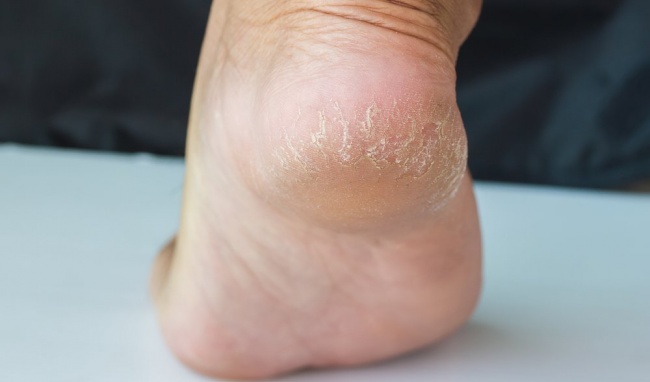
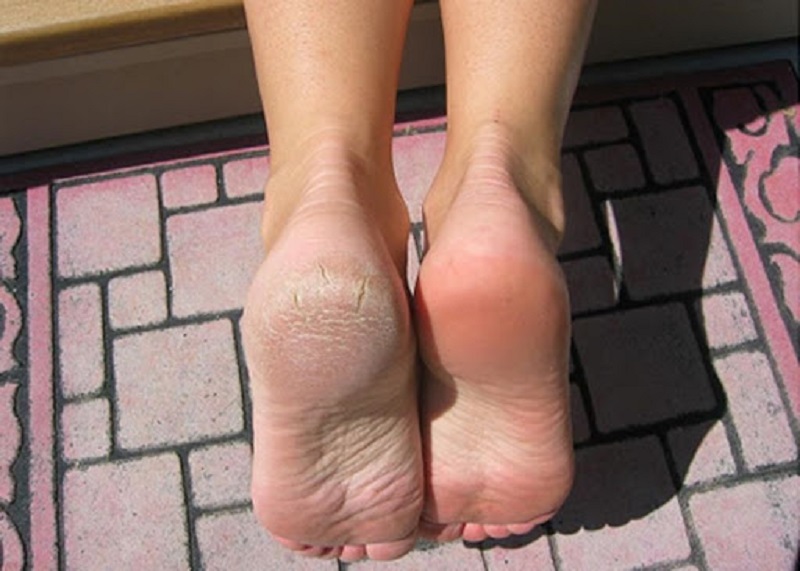
Cracked heels, also known as heel fissures, occur when the skin on the heel becomes thick, dry, and loses elasticity. When pressure is applied while standing or walking, the skin may split, creating visible cracks.
Symptoms can include:
-
Dry, rough skin around the heel
-
Thickened or hardened skin
-
Visible cracks in the heel area
-
Discomfort or pain while walking
-
In more severe cases, bleeding or deeper fissures
While mild cases are often cosmetic, more serious cracks can become painful and may require medical attention.
1. Excessive Pressure on the Feet
One of the most overlooked causes of cracked heels is constant pressure on the heel area.
When people spend long periods standing or walking, the fat pad under the heel expands sideways. If the skin around the heel lacks elasticity, it may split under pressure.
Factors that increase heel pressure include:
-
Standing for long hours
-
Walking barefoot frequently
-
Wearing shoes without proper heel support
-
Carrying excess body weight
Reducing pressure through supportive footwear can help prevent heel fissures from worsening.
2. Skin Conditions
Certain dermatological conditions may cause cracked heels even when dryness is not severe.
Some common skin conditions that affect the feet include:
Eczema
Eczema can cause inflammation, itching, and dryness in various parts of the body, including the heels.
Psoriasis
Psoriasis may lead to thick, scaly patches of skin that are prone to cracking.
Athlete’s Foot
A fungal infection affecting the feet can cause peeling, itching, and cracking of the skin, particularly around the heel area.
When cracked heels are linked to skin conditions, treatment often involves addressing the underlying skin disorder.
3. Improper Footwear
Shoes play an important role in protecting the feet. Wearing open-back shoes, sandals, or poorly fitting footwear can increase the risk of cracked heels.
When the heel lacks support, the skin may expand outward with each step. Over time, this repeated stress may cause the skin to break.
Footwear that can contribute to heel cracks includes:
-
Flip-flops
-
Worn-out shoes
-
Hard or thin soles
-
Shoes that do not support the heel
Supportive footwear with cushioned soles can help reduce strain on the heel area.
4. Nutritional Deficiencies
In some cases, cracked heels may be linked to nutritional imbalances.
Certain vitamins and minerals are important for maintaining healthy skin. For example:
-
Vitamin A supports skin repair
-
Vitamin E contributes to skin protection
-
Zinc supports tissue healing
-
Omega-3 fatty acids help maintain skin moisture
A diet lacking these nutrients may contribute to dry or weakened skin that is more prone to cracking.
Eating a balanced diet rich in fruits, vegetables, whole grains, and healthy fats supports skin health throughout the body.
5. Medical Conditions
Sometimes cracked heels may appear alongside certain health conditions.
Diabetes
People with diabetes may experience changes in circulation and nerve function in the feet, which can lead to dry skin and cracks.
Thyroid Disorders
Hormonal imbalances associated with thyroid conditions may affect skin moisture levels.
Circulation Problems
Poor blood circulation can slow the healing of skin and make it more vulnerable to cracking.
Individuals with chronic health conditions should monitor foot health closely and seek medical advice if heel cracks become severe.
6. Aging Skin
As people age, the skin naturally becomes thinner and loses some of its elasticity. The body also produces less natural oil, which helps keep skin hydrated.
These changes make older adults more susceptible to cracked heels.
Proper foot care, moisturizing, and supportive footwear can help maintain skin health as the body ages.
7. Environmental Factors
Environmental conditions can also influence the condition of the skin on the heels.
Factors that may worsen cracked heels include:
-
Cold weather
-
Dry air
-
Hot showers or baths
-
Frequent exposure to soap or detergents
These conditions may strip the skin of natural oils, making it more vulnerable to cracking.
How to Prevent Cracked Heels
Preventive care is often the most effective approach to maintaining healthy heels.
Moisturize Regularly
Applying moisturizing creams helps maintain skin hydration and elasticity.
Wear Supportive Shoes
Shoes that provide heel support and cushioning reduce pressure on the heel area.
Avoid Walking Barefoot
Walking barefoot can increase stress on the heels and expose the skin to dryness.
Maintain Good Foot Hygiene
Keeping feet clean and dry helps prevent infections and skin irritation.
Eat a Balanced Diet
Proper nutrition supports healthy skin and tissue repair.
When to Seek Medical Advice
Most cases of cracked heels can be managed with proper foot care. However, medical attention may be necessary if:
-
Cracks become deep or painful
-
Bleeding occurs
-
Signs of infection appear
-
Healing does not improve with home care
Early treatment can help prevent complications, especially for individuals with underlying medical conditions.
Final Thoughts
Cracked heels are often associated with dry skin, but the condition can also result from a variety of other factors, including pressure on the feet, skin disorders, footwear choices, nutritional imbalances, and underlying health conditions.
Understanding these possible causes can help individuals take better care of their feet and address the problem more effectively.
With proper attention to foot hygiene, supportive footwear, and overall health, it is possible to maintain strong, healthy skin and prevent cracked heels from becoming a recurring issue.