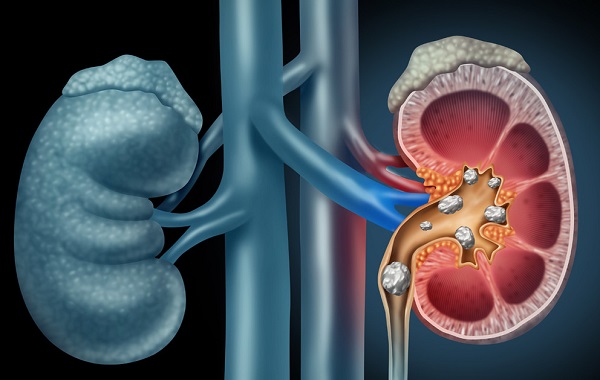
The kidneys play a crucial role in maintaining the body’s internal balance. These two bean-shaped organs filter waste products, regulate fluid levels, control electrolyte balance, and help maintain healthy blood pressure. When the kidneys function properly, they quietly perform these tasks without noticeable signs.
However, when kidney function begins to decline, the body may start showing subtle signals. Interestingly, some of these signs can appear on the skin, the body’s largest organ. Because the kidneys are responsible for removing toxins and maintaining chemical balance, changes in kidney function can sometimes affect skin appearance and condition.
While skin symptoms alone cannot diagnose kidney disease, certain persistent or unusual changes may warrant medical attention. Below are five skin symptoms that may sometimes be associated with underlying kidney problems.
1. Persistent Itching (Pruritus)
One of the most commonly reported skin symptoms in individuals with kidney issues is persistent itching, medically known as pruritus.
This type of itching may occur without a visible rash and can affect large areas of the body, including the back, arms, or legs. In some cases, it becomes more noticeable at night.
Several factors may contribute to itching in people with kidney problems, including:
-
Buildup of waste products in the bloodstream
-
Dry skin caused by fluid imbalance
-
Changes in mineral levels such as calcium and phosphorus
Persistent itching can significantly affect comfort and sleep quality, making it important to consult a healthcare professional if it becomes severe or ongoing.
2. Dry and Flaky Skin
Another skin change sometimes linked to kidney problems is excessively dry skin.
Healthy kidneys help regulate fluid balance throughout the body. When kidney function is impaired, the skin may lose moisture more easily, resulting in dryness and flaking.
Symptoms may include:
-
Rough or scaly patches
-
Tight or irritated skin
-
Increased sensitivity
Although dry skin can occur for many reasons—such as weather changes or dehydration—persistent dryness combined with other symptoms may suggest an underlying health concern.
3. Changes in Skin Color
Kidney issues may sometimes cause noticeable changes in skin tone.
Some individuals may develop pale or grayish skin, which can occur when kidney-related anemia develops. The kidneys normally help produce a hormone that stimulates red blood cell production. When this process is disrupted, oxygen delivery in the body may decrease, affecting skin color.
In other cases, the skin may appear:
-
Slightly yellowish
-
Dull or uneven in tone
These changes occur because waste products that are normally filtered by the kidneys may accumulate in the body.
4. Swelling and Puffiness
Although swelling is often associated with the feet and ankles, it can also affect the skin around the eyes and face.
The kidneys help regulate the body’s fluid balance. When they are not functioning properly, excess fluid may accumulate in tissues.
This can lead to:
-
Puffy eyelids, especially in the morning
-
Swelling in the face
-
Fluid retention in other parts of the body
Swelling around the eyes may be one of the earlier visible signs of fluid imbalance.
5. Unusual Skin Bumps or Deposits
In some cases, people with kidney disorders may develop small bumps or deposits on the skin.
These may occur when minerals such as calcium and phosphorus become imbalanced in the bloodstream. Over time, these substances can accumulate in the skin and form small hardened areas.
Although this symptom is less common, it may occur in individuals with advanced kidney conditions.

Why Skin Changes Can Occur with Kidney Problems
The kidneys perform many functions that directly influence skin health.
They help:
-
Remove toxins from the blood
-
Maintain fluid balance
-
Regulate mineral levels
-
Support red blood cell production
When these processes are disrupted, changes in the bloodstream may affect the skin’s appearance, hydration, and texture.
Because the skin reflects many internal bodily processes, it sometimes acts as an early indicator of systemic health issues.
Other Symptoms That May Accompany Kidney Issues
Skin changes are often accompanied by other signs of kidney dysfunction. These may include:
-
Persistent fatigue
-
Changes in urination patterns
-
Swelling in the legs or ankles
-
Difficulty concentrating
-
Muscle cramps
If multiple symptoms appear together, medical evaluation becomes especially important.
Supporting Kidney Health
Maintaining kidney health involves several lifestyle habits that promote overall well-being.
Stay Hydrated
Drinking enough water helps the kidneys filter waste effectively.
Maintain a Balanced Diet
Eating nutrient-rich foods supports healthy kidney function.
Manage Blood Pressure
High blood pressure is one of the leading contributors to kidney damage.
Stay Physically Active
Regular exercise supports circulation and metabolic health.
Avoid Excessive Use of Certain Medications
Some medications can affect kidney function if used improperly or excessively.

When to Seek Medical Advice
Occasional skin dryness or itching is common and usually harmless. However, persistent or unexplained skin changes should not be ignored.
It may be helpful to consult a healthcare professional if symptoms such as itching, swelling, or unusual skin discoloration continue for an extended period.
Early evaluation allows doctors to determine whether the symptoms are related to skin conditions, lifestyle factors, or underlying health concerns.
Final Thoughts
The skin can sometimes provide important clues about internal health. While skin symptoms alone do not confirm kidney disease, persistent itching, dryness, discoloration, swelling, or unusual skin deposits may occasionally be linked to kidney function changes.
Paying attention to these signals and seeking medical advice when necessary can help ensure that potential health issues are identified early.
Maintaining healthy lifestyle habits and staying aware of the body’s subtle signals remain essential steps in protecting both skin health and kidney function.