
Yet the body is incredibly intelligent—and it often sends warning signs well in advance.
As a health educator, I’ve noticed consistent patterns across countless individuals. The clues don’t always show up on paper. Instead, they appear on your skin, in your body composition, and even in places you might rarely think to check—like your toes. Let’s explore five powerful physical signs that may reveal insulin resistance early, giving you the opportunity to act before serious damage occurs.
Key Takeaways
-
Insulin resistance is far more widespread than most people realize and can persist silently for years.
-
Your skin, circulation, and fat distribution often reflect metabolic stress.
-
Recognizing these physical clues early gives you a major advantage in preventing diabetes and other chronic diseases.
-
Your body communicates constantly—learning to read its signals can be life-changing.
1. Dark, Thickened Skin in Body Folds (Acanthosis Nigricans)
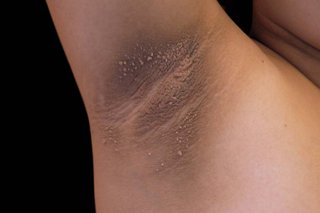
One of the earliest and most telling signs of insulin resistance is a condition called acanthosis nigricans. Even if the name sounds unfamiliar, the appearance likely doesn’t. It shows up as darkened, thick, velvety skin—most commonly on the back of the neck, under the arms, in the groin, around the elbows, or across the knuckles.
These patches may feel slightly raised or look like dirt that won’t wash off. What’s happening beneath the surface is important: insulin acts as a powerful growth signal. When insulin levels stay high, skin cells—especially in areas exposed to moisture and friction—begin multiplying faster than normal. Over time, this leads to visible thickening and discoloration, making acanthosis nigricans a clear metabolic warning sign.
2. Skin Tags Appearing in Clusters

Those small, soft growths known as skin tags may seem harmless—and they usually are—but their pattern matters. When skin tags begin appearing frequently or in clusters, especially around the neck, armpits, or groin, insulin resistance may be playing a role.
Skin tags often develop where friction occurs, but friction alone doesn’t explain why some people get many while others get none. Elevated insulin continuously signals cells to grow and divide, and skin tags are one result of that overstimulation. If you’re regularly noticing new ones or removing them only to see more appear, it may be time to look deeper into your metabolic health.
3. Puffiness and Fluid Retention (Edema)
Do your ankles swell by the end of the day? Do your fingers feel tight, or does your face look unusually puffy in the morning? This type of fluid retention, known as edema, can be another subtle sign of insulin resistance.
High insulin levels cause the kidneys to retain sodium, which pulls extra water into the bloodstream. At the same time, insulin can damage the lining of blood vessels, allowing fluid to leak into surrounding tissues. A simple self-test is the pitting edema check: press your thumb firmly into your shin for 30 seconds. If the indentation lingers after you release, your body may be signaling underlying metabolic strain.
4. Apple-Shaped Body or Rapid Belly Fat Gain
Body fat distribution matters just as much as total weight. When fat accumulates primarily around the abdomen—creating an “apple-shaped” body—it’s often a sign of insulin resistance and visceral fat buildup.
Women may notice their waist thickening and their curves becoming less defined, while men may develop a noticeable belly or “spare tire.” Unlike subcutaneous fat, visceral fat surrounds vital organs and actively disrupts hormonal and metabolic balance. It releases inflammatory chemicals that worsen insulin resistance, creating a vicious cycle that raises the risk of heart disease, diabetes, and other serious conditions.
5. Hair Loss on the Toes
This final sign often surprises people: smooth, hairless toes. While some individuals naturally have minimal hair, sudden or complete hair loss on the toes can indicate poor circulation—a common consequence of insulin resistance.
High insulin levels contribute to arterial stiffness and narrowing, reducing blood flow to the extremities. Hair follicles are extremely sensitive to reduced oxygen and nutrient supply, and they’re often among the first to shut down. If your toes look shiny, smooth, or unusually hair-free compared to the past, it may be a quiet but important warning.
Conclusion
If several of these signs sound familiar, don’t panic—but don’t ignore them either. Insulin resistance doesn’t happen overnight, and the good news is that it’s often reversible when addressed early. Your body is constantly communicating its needs and struggles through subtle physical changes.
By learning to recognize these signals, you give yourself a powerful head start. Early awareness allows you to take meaningful steps—through nutrition, movement, stress management, and lifestyle changes—to restore balance and protect your long-term health. Start by observing your body today. It may already be telling you exactly what it needs.