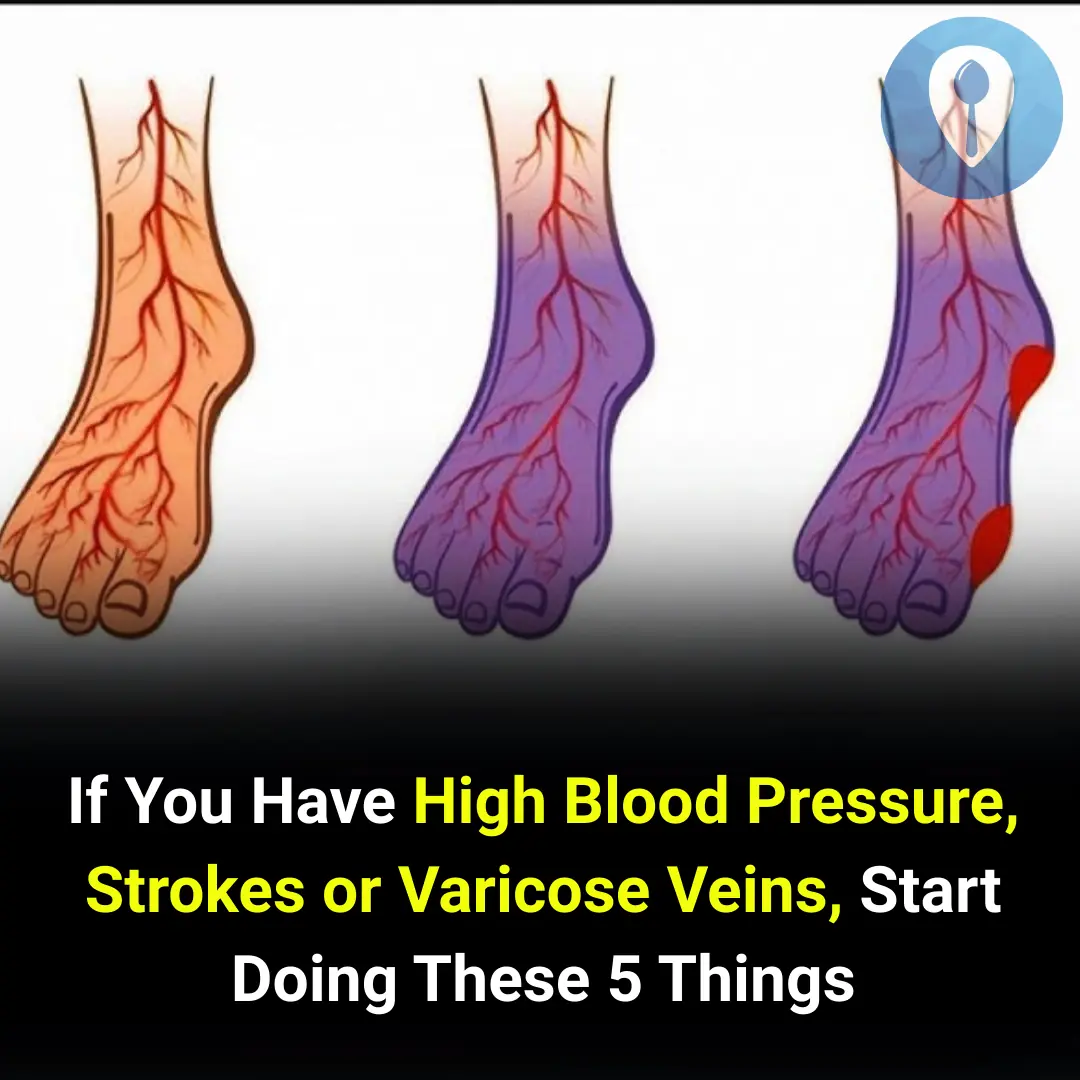
Varicose veins are more than just unsightly, they can be painful and problematic as well. They can cause throbbing, itching, and clotting, among other things, though they’re rarely life-threatening. While there’s no certain way to prevent varicose veins from developing, there are ways to lower your chances.
We can help alleviate the pain associated with your varicose veins and help reduce their appearance. These swollen veins are common and often harmless, but that doesn’t mean you have to live with them.
What are varicose veins?
Varicose veins are exactly what they look like: swollen veins under the skin. They occur when a valve within the vein fails, and instead of directing blood flow in one direction, it allows the blood to flow backward. This blood pools in the vein around the valve, so that the vein becomes engorged with excess blood. The veins are visible through the skin, and look like red or purple twisted cords, making many people feel self-conscious.
The veins in the legs are most prone to becoming varicose due to the pressure and gravity from standing upright. People with varicose veins in their legs often experience throbbing pain and swollen ankles or feet.
Risk factors for varicose veins
Circulatory health can be a tricky thing, as even people with healthy lifestyles can develop varicose veins. There are also uncontrollable risk factors that lead to the development of varicose veins, including pregnancy, menopause, and age.
However, you can lower your chances of developing varicose veins by staying healthy and avoiding certain behaviors. The five most important behaviors to avoid are:
Wearing high heels and tight pants. When you constrict veins, the blood has to go elsewhere, often pooling in your lower legs. This increases your risk of varicose veins, so stick to properly fitting clothes and flat footwear!
Standing or sitting for long periods of time. Cashiers and office workers spend a lot of time sitting and standing, which puts them at risk. Wearing compression stockings, elevating your legs, and doing yoga/exercise can help with this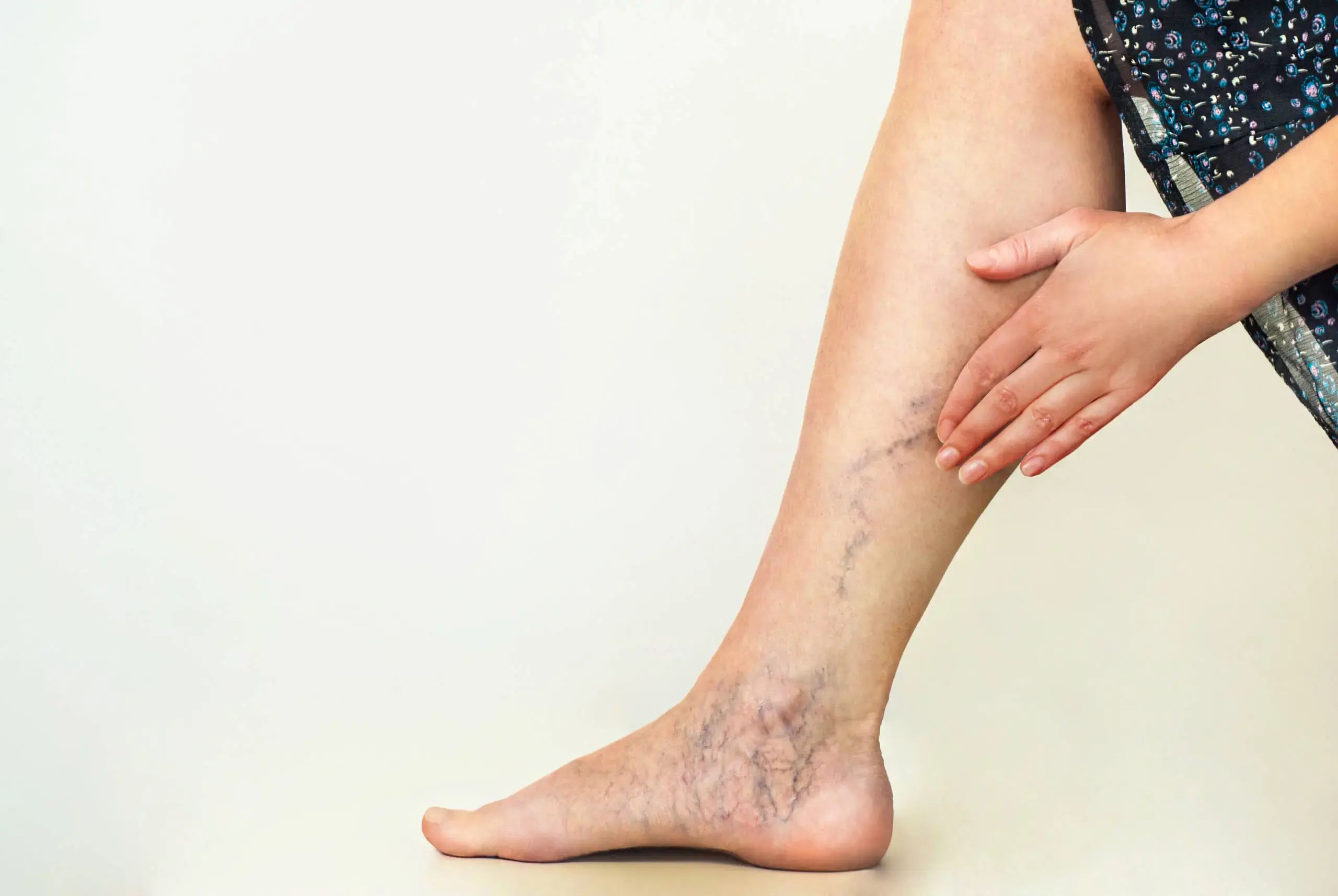
Not exercising enough. Exercising makes your blood pump faster, encouraging better circulation. If you don’t like running or cardio, try to take daily walks and do leg exercises
Sleeping on your back while pregnant. Pregnant women are extremely at-risk for developing varicose veins due to increased blood flow and pressure from the weight of the fetus. Pregnant women can reduce this pressure by sleeping on their left side instead of on their back.
Smoking. Smoking negatively affects almost every part of your body, including your veins. Some studies show that smoking can increase your risk of varicose veins, so it’s best to ditch the cigarettes.
If you do develop varicose veins, it’s not a major issue. Compression stockings and regular exercise can help you manage them, and there are other treatments available. Vein Institute offers surgical and nonsurgical options that will reduce or eliminate your varicose veins.