6 Everyday Foods Linked to Can.cer Risk That Many People Still Eat Daily
In modern life, the phrase “cancer-causing foods” often spreads widely on social media, leaving many people confused or worried. However, experts say not all information online is reliable.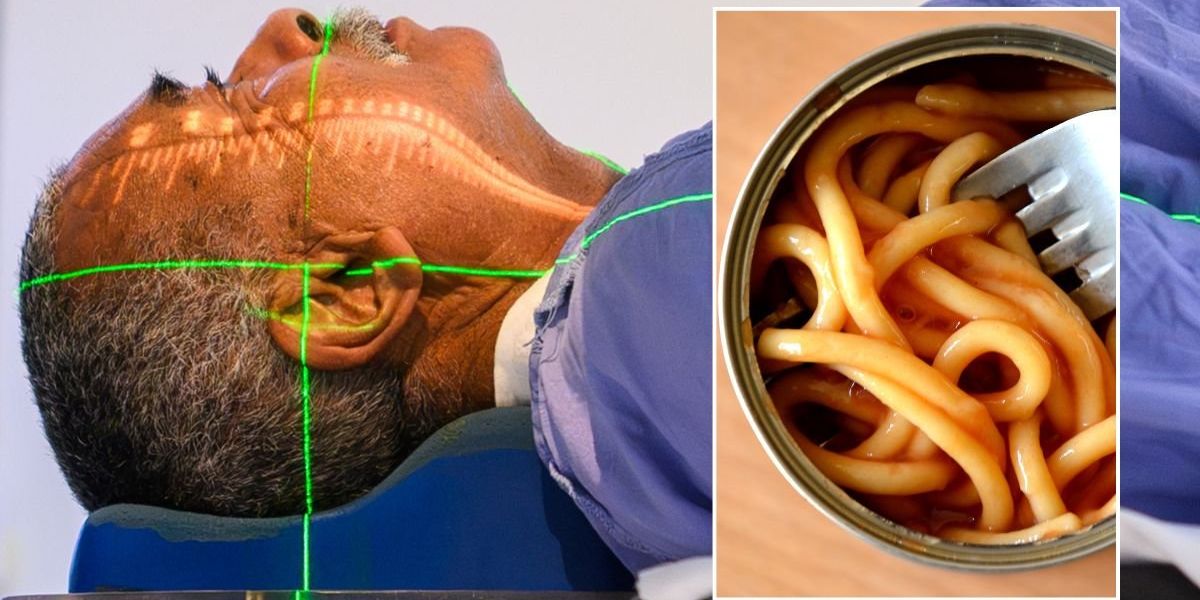
According to scientists, one of the most trusted references is the classification by the International Agency for Research on Cancer (IARC), part of the World Health Organization (WHO). This system ranks substances based on evidence of cancer risk—from confirmed carcinogens to those with limited or insufficient data.
Based on scientific research, some common foods have been linked to an increased risk of cancer when consumed frequently.
Here are six typical examples that experts recommend limiting in your daily diet.
1. Moldy foods – a hidden source of dangerous toxins
Foods like peanuts, corn, rice, and other grains that develop mold may contain aflatoxin, one of the most powerful carcinogens ever identified.
Aflatoxin has been classified as a Group 1 carcinogen by IARC since 1993.
What makes it especially dangerous is that it is heat-resistant—meaning cooking or reheating cannot completely destroy it. Even cutting away the moldy part is not safe; the entire food should be discarded.
Additionally, mold can also grow on poorly cleaned kitchen items like chopsticks or cutting boards.
2. Alcohol – linked to millions of cancer cases
Alcohol is widely consumed, but it carries serious health risks.
Ethanol has been classified as a Group 1 carcinogen, with strong evidence linking it to cancer in humans.
When consumed, alcohol is converted into acetaldehyde, a substance that can damage DNA. It is associated with cancers of the mouth, throat, esophagus, liver, colon, and breast.
Even low levels of alcohol consumption are not completely safe, and the risk increases with higher intake.
3. Processed meats – risk comparable to smoking
Processed meats such as sausages, bacon, ham, and dried beef have also been classified as Group 1 carcinogens.
Processing methods like curing, smoking, or drying can produce harmful compounds such as nitrosamines and polycyclic aromatic hydrocarbons (PAHs), which can damage cells—especially in the digestive system.
Regular consumption significantly increases the risk of colorectal cancer.
4. Salted fish – a traditional dish with hidden risks
Salted fish, especially when prepared using traditional methods, is also listed in Group 1 by IARC.
During the salting process, harmful compounds like nitrosamines can form, which are linked to cancer development.
5. Poor food hygiene and contaminated items
Not only food itself, but also improperly cleaned kitchen tools (like moldy utensils or cutting boards) can become breeding grounds for harmful fungi and toxins.
This increases the risk of exposure to carcinogenic substances over time.
6. Unhealthy eating habits (very hot, fried, or processed foods)
Experts also warn against common habits such as:
- Eating food that is too hot
- Consuming a lot of fried or grilled foods at high temperatures
- Frequently eating processed or preserved foods
These habits may increase the formation of harmful compounds that can damage cells and raise cancer risk over time.
Expert recommendations
To reduce cancer risk, experts suggest:
- Prioritize fresh foods over processed ones
- Avoid moldy or spoiled food completely
- Limit alcohol consumption
- Avoid eating excessively hot food
- Reduce fried and heavily grilled dishes
A balanced diet combined with a healthy lifestyle remains the most effective way to prevent cancer.
The bottom line
Many familiar foods can become harmful when consumed improperly or too frequently.
Understanding the risks and making smarter dietary choices can play a crucial role in protecting your long-term health.