The thyroid is a small butterfly-shaped gland located at the front of the neck, but it plays a remarkably important role in your health. It produces hormones that regulate metabolism, body temperature, heart rate, energy production, and many other essential functions. When the thyroid isn't working properly, symptoms such as fatigue, weight changes, sensitivity to cold or heat, dry skin, hair loss, and mood changes may develop.
Diet is often discussed in relation to thyroid health, and many articles claim that certain foods should be completely avoided. In reality, very few foods need to be eliminated entirely, even for people with thyroid disorders. However, some foods may need to be eaten in moderation or timed appropriately—especially for people with hypothyroidism, hyperthyroidism, or those taking thyroid medication.
Let's explore six types of foods that may deserve extra attention if you have a thyroid condition and what current research says about them.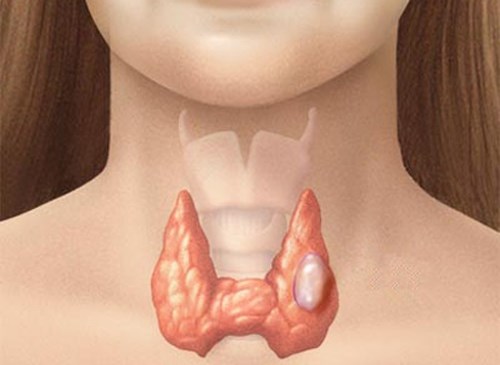
Understanding the Thyroid
The thyroid gland produces two primary hormones:
-
Thyroxine (T4)
-
Triiodothyronine (T3)
These hormones help regulate:
-
Metabolism
-
Body temperature
-
Heart rate
-
Energy use
-
Brain function
-
Muscle activity
-
Digestion
Healthy thyroid function also depends on adequate intake of nutrients such as iodine and selenium.
Does Diet Affect Thyroid Health?
Yes—but usually not in the dramatic way many online articles suggest.
For most people:
-
A balanced diet supports normal thyroid function.
-
No single food causes thyroid disease.
-
No "superfood" can cure thyroid disorders.
People with thyroid conditions may benefit from individualized dietary guidance, especially if they take thyroid hormone replacement.
1. Soy Foods
Soy products include:
-
Tofu
-
Soy milk
-
Edamame
-
Tempeh
-
Soy protein products
What Does Research Say?
Soy does not appear to damage a healthy thyroid in people who consume adequate iodine.
However, soy may interfere with the absorption of levothyroxine, the medication commonly prescribed for hypothyroidism.
Practical Tip
If you take levothyroxine:
-
Take your medication on an empty stomach.
-
Wait several hours before consuming large amounts of soy, following your healthcare provider's advice.
There is usually no need to avoid soy completely.
2. Cruciferous Vegetables
These include:
-
Broccoli
-
Cabbage
-
Cauliflower
-
Kale
-
Brussels sprouts
-
Bok choy
Why Are They Discussed?
These vegetables contain naturally occurring compounds called glucosinolates, which can form substances known as goitrogens.
In very large amounts, especially when eaten raw and combined with low iodine intake, goitrogens may interfere with thyroid hormone production.
Should You Stop Eating Them?
For most people, no.
Cruciferous vegetables are highly nutritious and provide:
-
Fiber
-
Vitamin C
-
Folate
-
Antioxidants
Cooking reduces much of their goitrogenic activity.
Eating reasonable portions as part of a balanced diet is generally considered safe.
3. Highly Processed Foods
Highly processed foods often contain:
-
Excess sodium
-
Added sugars
-
Unhealthy fats
Although they do not directly damage the thyroid, excessive intake may contribute to:
-
Weight gain
-
Cardiovascular disease
-
Inflammation
People with hypothyroidism may already be more prone to weight gain, making overall diet quality particularly important.
Replacing highly processed foods with whole foods supports general health.
4. Foods Very High in Iodine
Iodine is essential for making thyroid hormones.
However, both too little and too much iodine can affect thyroid function.
Foods naturally high in iodine include:
-
Seaweed
-
Kelp
-
Certain iodine-containing supplements
For most people, iodine obtained from a normal diet is appropriate.
However, consuming very large amounts of iodine—particularly through supplements or excessive seaweed intake—may worsen certain thyroid disorders in susceptible individuals.
Avoid taking iodine supplements unless recommended by your healthcare provider.
5. High-Fiber Foods Around Medication Time
Fiber is excellent for overall health.
It helps support:
-
Digestion
-
Blood sugar control
-
Heart health
-
Weight management
However, large amounts of fiber consumed at the same time as thyroid medication may reduce medication absorption.
Better Approach
Continue eating fiber-rich foods, but separate them from thyroid medication according to your healthcare provider's instructions.
There is no reason to avoid fiber altogether.
6. Calcium- and Iron-Rich Supplements or Fortified Foods
Although calcium and iron are essential nutrients, they can interfere with the absorption of thyroid hormone medication if taken too close together.
Examples include:
-
Calcium supplements
-
Iron supplements
-
Some fortified cereals
-
Certain multivitamins
Healthcare providers often recommend taking levothyroxine at least several hours apart from these products.
This interaction affects medication absorption, not thyroid function itself.
Foods That Support Overall Thyroid Health
Instead of focusing only on foods to limit, it's helpful to include nutrient-rich foods that contribute to overall wellness.
Examples include:
-
Fish
-
Eggs
-
Lean poultry
-
Beans
-
Fruits
-
Vegetables
-
Whole grains
-
Nuts
-
Seeds
These foods provide important vitamins and minerals needed for general health.
Important Nutrients for Thyroid Function
Iodine
Needed for thyroid hormone production.
Good dietary sources include:
-
Dairy products
-
Seafood
-
Iodized salt (where used)
Too much iodine can also be harmful, so more is not always better.
Selenium
Selenium supports enzymes involved in thyroid hormone metabolism.
Sources include:
-
Brazil nuts (in moderation)
-
Tuna
-
Eggs
-
Whole grains
Large selenium supplements should only be used under medical supervision.
Zinc
Zinc contributes to many bodily processes, including immune function.
Dietary sources include:
-
Meat
-
Seafood
-
Legumes
-
Nuts
Common Myths About Thyroid Diets
Myth 1: People With Thyroid Disease Must Avoid All Cruciferous Vegetables
False.
Most people can safely enjoy these vegetables as part of a balanced diet.
Myth 2: Iodine Supplements Cure Thyroid Disease
False.
Excess iodine may actually worsen certain thyroid disorders.
Myth 3: Gluten Must Be Avoided by Everyone With Thyroid Disease
False.
Some people with autoimmune thyroid disease also have celiac disease, in which a gluten-free diet is medically necessary.
However, routine gluten avoidance is not recommended for everyone with thyroid disorders unless advised by a healthcare professional.
Tips for Taking Thyroid Medication
To help ensure consistent absorption:
-
Take medication at the same time each day.
-
Take it with water.
-
Take it on an empty stomach if instructed.
-
Avoid eating immediately afterward if recommended.
-
Separate calcium and iron supplements by several hours.
-
Follow your healthcare provider's specific instructions.
Consistency is more important than perfection.
When Should You Talk to a Doctor?
Consult your healthcare provider if you experience symptoms such as:
-
Persistent fatigue
-
Unexplained weight changes
-
Hair loss
-
Sensitivity to cold or heat
-
Neck swelling
-
Difficulty swallowing
-
Rapid or irregular heartbeat
-
Changes in mood
These symptoms do not necessarily indicate thyroid disease, but they deserve medical evaluation.
Final Thoughts
Nutrition plays an important role in overall health, including thyroid health, but there is no single "thyroid diet" that works for everyone. For most people with thyroid conditions, foods such as soy, cruciferous vegetables, high-fiber foods, and iodine-rich foods do not need to be completely avoided. Instead, they may simply require moderation or careful timing, particularly for those taking thyroid hormone medication.
The most effective approach is to eat a balanced, nutrient-rich diet, follow your prescribed treatment plan, and work closely with your healthcare provider to monitor thyroid function. Rather than eliminating healthy foods based on internet myths, focus on evidence-based nutrition and individualized medical advice to support long-term thyroid health.