
What you should know if you frequently suffer from leg cramps during the night?
What you should know if you frequently suffer from leg cramps during the night?
Health 05/07/2026 22:29


 5
5
Cocoa has been enjoyed for thousands of years, but in recent decades, scientists have become increasingly interested in its potential health benefits. Beyond its rich flavor, cocoa contains naturally occurring plant compounds called flavanols, which have been studied for their effects on heart health, blood vessel function, and inflammation.
The image above states that consumption of cocoa has been found to decrease markers of oxidative stress as well as lower blood pressure. Overall, this is consistent with findings from many scientific studies—but there are important details that often get left out.
The benefits observed in research are generally linked to natural, minimally processed cocoa that is rich in flavanols, not sugary chocolate bars or heavily processed cocoa products.
Let's take a closer look at what the science says.
Cocoa is made from the seeds of the cacao tree (Theobroma cacao). These seeds contain hundreds of naturally occurring compounds, including:
Among these, cocoa flavanols are believed to provide many of cocoa's potential cardiovascular benefits.
Unfortunately, many commercial chocolate products lose a large portion of these flavanols during processing.
One of the most well-studied benefits of cocoa is its potential effect on blood pressure.
Research suggests that cocoa flavanols may help the body produce more nitric oxide, a molecule that relaxes blood vessels.
When blood vessels relax and widen, blood can flow more easily, which may contribute to modest reductions in blood pressure.
Most studies report only small decreases, but even modest improvements may be meaningful when combined with other heart-healthy habits.
It's important to remember that cocoa should not replace prescribed blood pressure medication.
Healthy arteries need to expand and contract efficiently.
Flavanols appear to improve endothelial function, meaning they help the inner lining of blood vessels work more effectively.
Better endothelial function is associated with:
This is one reason cocoa continues to be studied in heart health research.


 4
4
Oxidative stress occurs when unstable molecules called free radicals outnumber the body's antioxidant defenses.
Cocoa contains powerful polyphenols that help neutralize free radicals.
Reducing oxidative stress may support:
While antioxidants are beneficial, they work best as part of an overall healthy diet rich in fruits, vegetables, legumes, nuts, and whole grains.
Some studies suggest cocoa flavanols can improve circulation by increasing the flexibility of blood vessels.
Improved blood flow may benefit:
Research is ongoing, and results vary depending on the amount and type of cocoa consumed.
Scientists are exploring whether improved circulation from cocoa flavanols may help support cognitive function.
Some studies have found modest improvements in:
However, evidence remains mixed, and more long-term research is needed.
Not always.
Many chocolate products contain:
Milk chocolate often contains relatively little cocoa compared with dark chocolate.
Therefore, eating large amounts of chocolate is not an effective strategy for improving health.
If you enjoy chocolate, choosing dark chocolate with at least 70% cocoa generally provides more flavanols than milk chocolate—but portion size still matters because chocolate is calorie-dense.
Unsweetened natural cocoa powder is one of the richest dietary sources of cocoa flavanols.
You can add it to:
Choose products with no added sugar whenever possible.
Some cocoa products have been found to contain varying amounts of cadmium and lead, which occur naturally in soil and can be absorbed by cacao plants.
The amount varies widely depending on:
For this reason:
This doesn't mean people should avoid cocoa altogether, but it's another reason why balance is important.
Cocoa is generally safe for most people, but moderation is still important.
Some individuals may need to limit intake if they:
If you take medication for high blood pressure, talk with your healthcare provider before making significant dietary changes.
Reality: Many chocolate products are high in sugar and saturated fat. The health benefits studied are primarily linked to flavanol-rich cocoa, not candy.
Reality: While cocoa may produce small improvements in blood pressure, it is not a substitute for medical treatment or lifestyle changes recommended by your healthcare provider.
Reality: Consuming excessive amounts adds calories and may increase exposure to naturally occurring heavy metals found in some cocoa products. Moderation remains the healthiest approach.
Here are a few nutritious ideas:
✔ Stir unsweetened cocoa into oatmeal.
✔ Blend it into a fruit smoothie.
✔ Make homemade hot cocoa with low-fat or plant-based milk and little or no added sugar.
✔ Sprinkle a small amount over plain Greek yogurt.
✔ Enjoy a square or two of dark chocolate (70–85% cocoa) as an occasional treat.
Scientific research suggests that flavanol-rich cocoa may help support heart health by improving blood vessel function, reducing oxidative stress, and contributing to modest reductions in blood pressure. However, these benefits are generally associated with unsweetened cocoa powder or dark chocolate with a high cocoa content, not sugary chocolate treats.
Cocoa is best viewed as one part of an overall heart-healthy lifestyle that includes a balanced diet rich in fruits, vegetables, whole grains, legumes, regular physical activity, adequate sleep, and avoidance of tobacco.
Enjoyed in moderation and as part of a varied diet, high-quality cocoa can be both a delicious and potentially beneficial addition to your daily routine.
What you should know if you frequently suffer from leg cramps during the night?

A green ring on boiled eggs is usually harmless—but here's why it happens.

Could Food in Your Refrigerator Increase Liver Cancer Risk? Here's What You Should Know

Don’t ignore a plantar callus just because it looks small. It can slowly grow deeper under the skin and become harder to treat later on.
Can Beet Juice Boost Athletic Performance? Here's What the Science Says
Can Diet and Lifestyle Help Prevent Cancer? What the Science Really Says
Supporting Thyroid Health: 6 Foods That May Require Moderation

These 5 Common Symptoms Could Be Your Body Asking for Help

One Common Beverage May Contain More Sugar Than You Think

Many People Sleep Like This Every Night Without Knowing the Risks
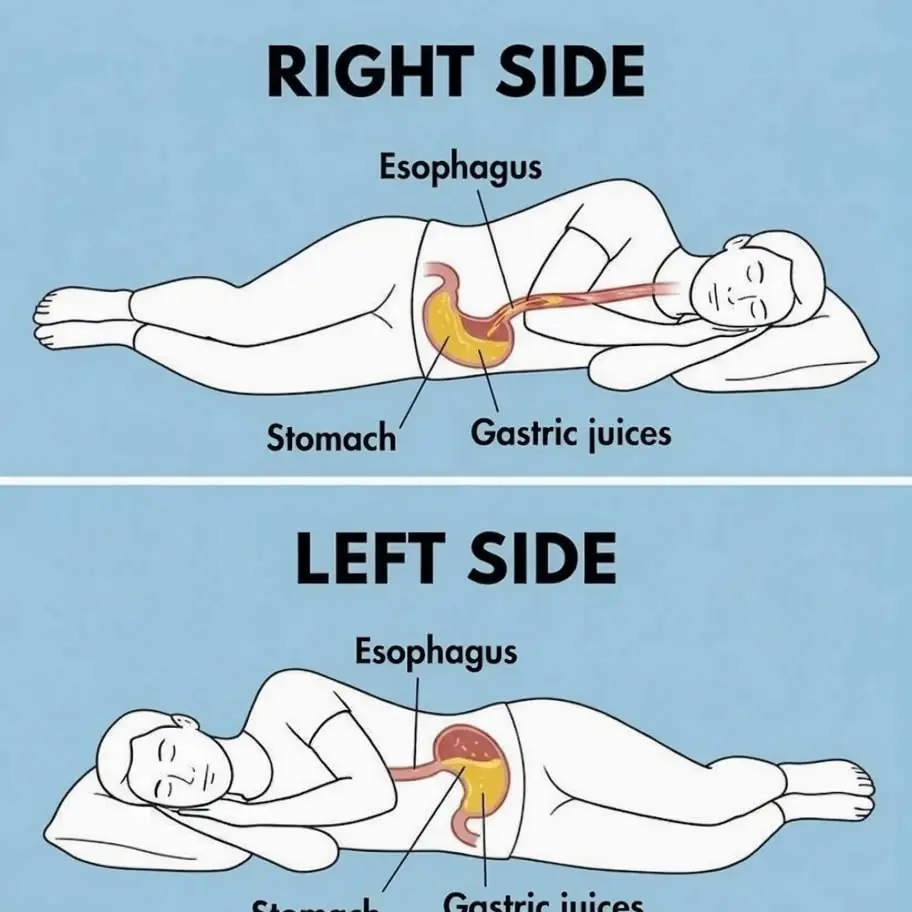
Sleeping on Your Right Side Every Night May Affect Your Body in Unexpected Ways

Doctors warn: Eating sweet potatoes may lead to… See more

Snake bi.te - don't panic, do the following

If Your Legs Cramp at Night You Need to Know This Immediately

A Weekly Vinegar Foot Soak Could Support Foot Comfort and Hygiene

Don't Ignore This Rash—It Could Be More Serious Than You Think
5 Symptoms of Esophageal Cancer That Are Often Mistaken for Heartburn

Can one boiled egg a day benefit your heart?
What you should know if you frequently suffer from leg cramps during the night?
A green ring on boiled eggs is usually harmless—but here's why it happens.
Could Food in Your Refrigerator Increase Liver Cancer Risk? Here's What You Should Know
Don’t ignore a plantar callus just because it looks small. It can slowly grow deeper under the skin and become harder to treat later on.
Can Beet Juice Boost Athletic Performance? Here's What the Science Says
Can Diet and Lifestyle Help Prevent Cancer? What the Science Really Says
Supporting Thyroid Health: 6 Foods That May Require Moderation
These 5 Common Symptoms Could Be Your Body Asking for Help
One Common Beverage May Contain More Sugar Than You Think
Many People Sleep Like This Every Night Without Knowing the Risks
Sleeping on Your Right Side Every Night May Affect Your Body in Unexpected Ways
Doctors warn: Eating sweet potatoes may lead to… See more
Snake bi.te - don't panic, do the following
If Your Legs Cramp at Night You Need to Know This Immediately
A Weekly Vinegar Foot Soak Could Support Foot Comfort and Hygiene
Don't Ignore This Rash—It Could Be More Serious Than You Think
5 Symptoms of Esophageal Cancer That Are Often Mistaken for Heartburn